Dogs
Potentially toxicConsulted references classify the plant as toxic or irritating for that pet type.
Verified against ASPCA/provenance audit 2026-05-06 on May 6, 2026.
Sources
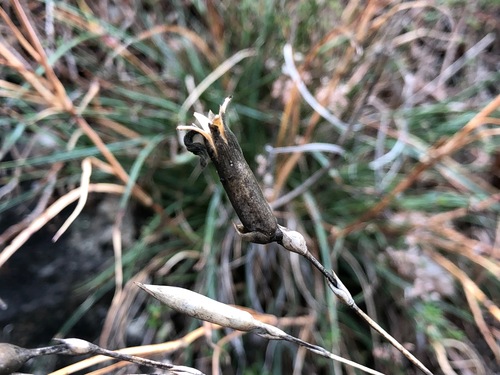
Dianthus caryophyllus
The carnation is a popular flowering plant known for its ruffled petals and spicy fragrance. While beautiful in bouquets, it contains compounds that can cause mild irritation if ingested by pets.
Safety status
Dogs
Potentially toxicConsulted references classify the plant as toxic or irritating for that pet type.
Verified against ASPCA/provenance audit 2026-05-06 on May 6, 2026.
Sources
Carnations cause mild upset in dogs but aren't a poisoning emergency. ASPCA Poison Control lists Dianthus caryophyllus as toxic via an unknown irritant, with stomach upset and mild skin irritation as the typical reaction — uncomfortable, not life-threatening. Most dogs recover on their own.
Most common: mild vomiting, drooling, and short-lived diarrhea within a few hours of chewing petals or leaves. Watch for irritation or redness around the muzzle from skin contact with the sap, plus possible mouth or throat irritation while chewing.
Signs commonly appear within a couple of hours of ingestion and resolve in 12–24 hours without specific treatment. ASPCA classifies the reaction as mild and Wag! reports no recorded fatalities from carnation ingestion in dogs.
Call the vet if vomiting or diarrhea last more than 12 hours, your dog won't eat or drink, or skin irritation gets worse rather than better. Mild signs in an otherwise-healthy dog rarely require an in-clinic visit, per ASPCA.
Remove any remaining plant material from your dog's mouth, monitor for vomiting and diarrhea, and contact your vet if symptoms develop or persist. Do not induce vomiting at home. Wash any sap off the muzzle or paws to prevent further skin irritation.
Sources: ASPCA, NC State Extension, Wag!.
If a pet has chewed or swallowed plant material and is showing symptoms, contact a veterinarian or poison resource immediately. This product is for structured reference, not diagnosis.
Dogs — concern notes
Common signs
Gastrointestinal upset, including vomiting and diarrhea, and mild dermatitis.
Escalation note
Symptoms are generally mild, but ingestion should be monitored. Contact your veterinarian if your dog shows signs of persistent distress.
Safer alternatives
No hand-picked alternatives for this plant yet. You can still pick your own using the Compare button on any other plant.
ASPCA Toxic Plant List
toxicology · 99% reliability
Carnation is listed as toxic to cats and dogs, causing gastrointestinal upset and dermatitis.
NC State Extension Plant Toolbox
botanical · 94% reliability
Dianthus caryophyllus is a perennial plant known for its fragrant flowers and is widely used in the floral industry.
Yes, carnations (Dianthus caryophyllus) are considered potentially toxic to dogs. Ingestion can cause mild gastrointestinal upset, and skin contact with the sap may cause mild dermatitis, but the reaction is generally mild and no fatalities from carnation ingestion in dogs have been recorded.
The most common signs are mild vomiting, drooling, and short-lived diarrhea, typically appearing within a couple of hours of chewing petals or leaves. You may also notice redness or irritation around the muzzle if your dog's skin contacted the sap.
Remove any remaining plant material from your dog's mouth, wash any sap off the muzzle or paws to prevent skin irritation, and monitor for vomiting or diarrhea. Do not induce vomiting at home. If symptoms develop or persist, contact your vet or call the ASPCA Animal Poison Control Center at (888) 426-4435.
Signs typically appear within a couple of hours of ingestion and resolve on their own within 12–24 hours without specific treatment. Call your vet if vomiting or diarrhea lasts more than 12 hours, your dog refuses to eat or drink, or skin irritation worsens rather than improving.
Same dog verdict
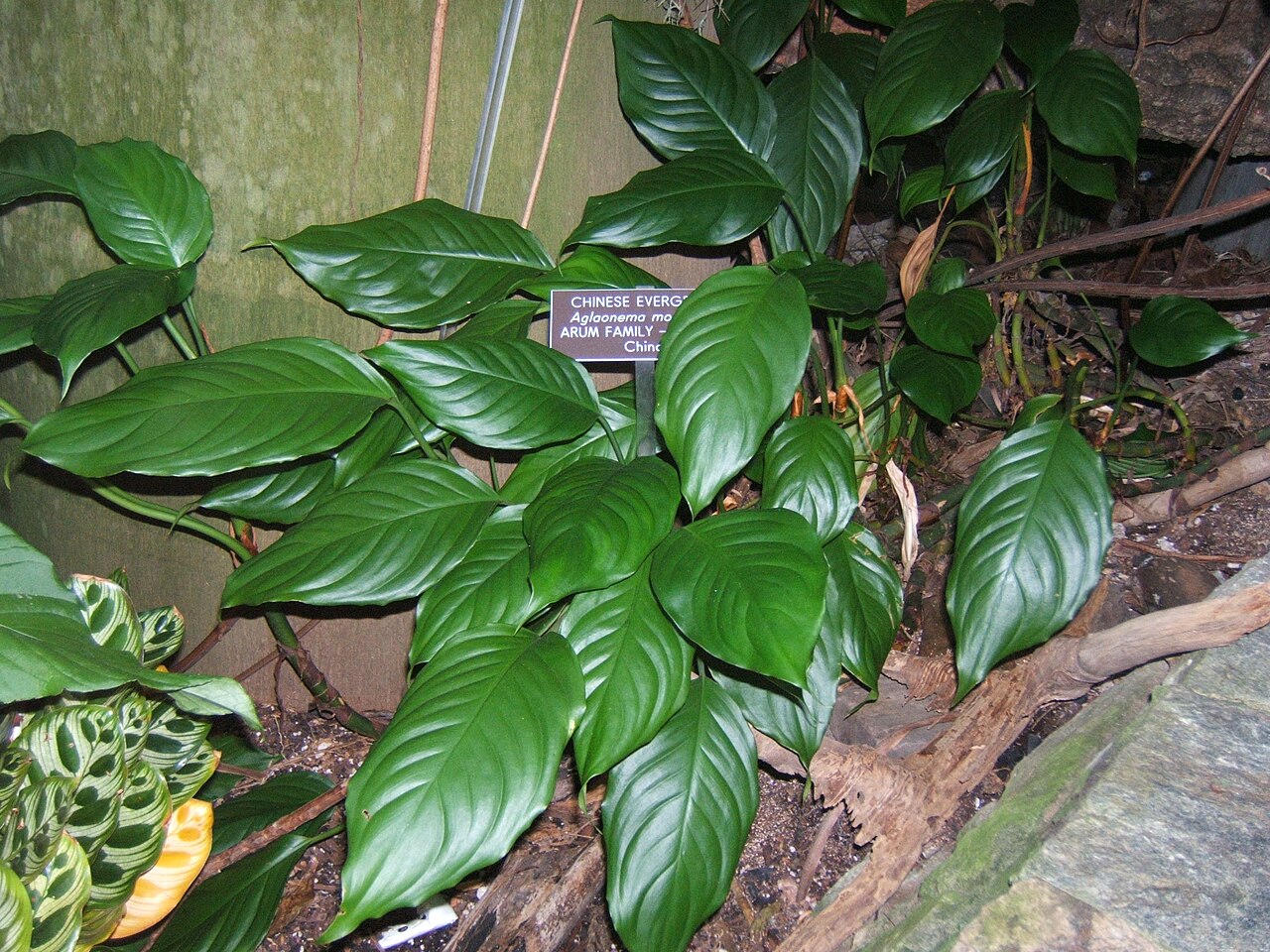
Chinese Evergreen is a popular indoor foliage plant known for its patterned leaves and tolerance of low light conditions. It contains insoluble calcium oxalate crystals that can cause irritation if ingested or chewed.
Potentially toxic for cats & dogs.
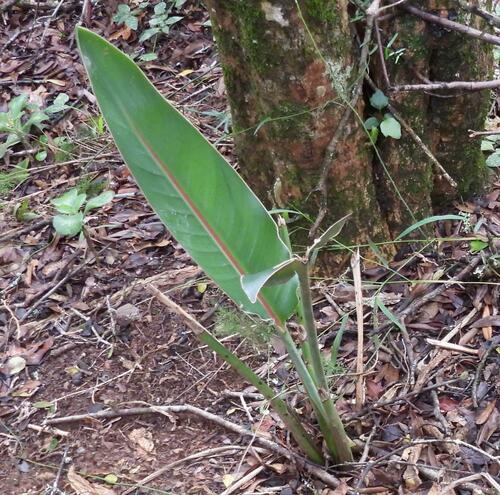
The Bird of Paradise is a popular tropical houseplant known for its striking, crane-like orange and blue flowers. While visually stunning, it contains compounds that can cause gastrointestinal distress if ingested by pets.
Potentially toxic for cats & dogs.
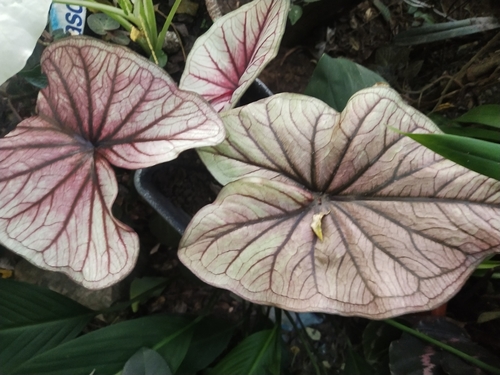
Caladiums are popular tropical foliage plants known for their vibrant, heart-shaped leaves. They contain insoluble calcium oxalate crystals that can cause irritation if ingested.
Potentially toxic for cats & dogs.
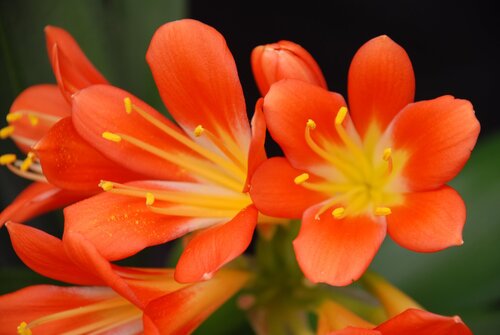
Clivia miniata is a popular flowering houseplant known for its vibrant orange or red clusters of blooms. It contains lycorine and other alkaloids that can cause gastrointestinal distress if ingested by pets.
Potentially toxic for cats & dogs.