Dogs
Potentially toxicConsulted references classify the plant as toxic or irritating for that pet type.
Verified against ASPCA/provenance audit 2026-05-06 on May 6, 2026.
Sources
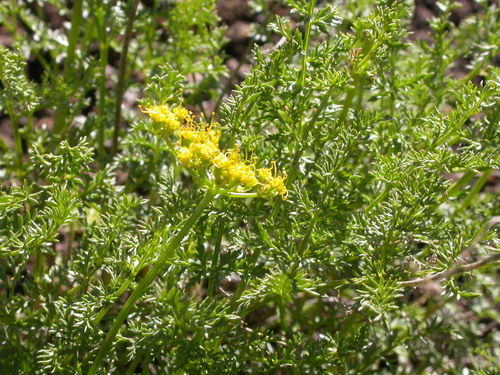
Cymopterus watsonii
Spring Parsley is a low-growing perennial herb native to the western United States, often found in rocky, arid environments. It is considered toxic to pets if ingested and should be kept out of reach.
Safety status
Dogs
Potentially toxicConsulted references classify the plant as toxic or irritating for that pet type.
Verified against ASPCA/provenance audit 2026-05-06 on May 6, 2026.
Sources
Dogs: most likely encountered on rangeland walks rather than indoors. ASPCA identifies furanocoumarins as the toxic principle, and the typical injury is photosensitization — the dog's skin and eyes become sunburned where pigment is light or fur is thin.
ASPCA reports photosensitization manifesting as sunburn and dermatitis. Watch for redness, swelling, blistering, or peeling on the muzzle, ears, eyelids, and belly after possible exposure.
Specific onset and recovery durations are not documented in the ASPCA listing.
Call if you see any sunburn-like skin reaction, blistering, or progression of symptoms rather than improvement after possible exposure.
Sources: ASPCA (no first-aid guidance).
If a pet has chewed or swallowed plant material and is showing symptoms, contact a veterinarian or poison resource immediately. This product is for structured reference, not diagnosis.
Dogs — concern notes
Common signs
Vomiting, abdominal pain, loss of appetite, and drooling.
Escalation note
Ingestion may lead to digestive upset. If your dog has ingested any part of this plant, consult your veterinarian for professional guidance.
Safer alternatives
No hand-picked alternatives for this plant yet. You can still pick your own using the Compare button on any other plant.
ASPCA Toxic Plant List
toxicology · 99% reliability
Spring Parsley (Cymopterus watsonii) is listed as toxic to both cats and dogs.
Kew Plants of the World Online
botanical · 95% reliability
Accepted botanical name and distribution data for Cymopterus watsonii.
Yes, Spring Parsley (Cymopterus watsonii) is considered toxic to dogs. Ingestion can cause digestive upset, and the plant is also associated with photosensitization — a skin reaction triggered by sun exposure after contact.
Digestive symptoms include vomiting, abdominal pain, loss of appetite, and drooling. The ASPCA also reports photosensitization: watch for redness, swelling, blistering, or peeling on sun-exposed areas like the muzzle, ears, eyelids, and belly after any possible exposure.
Contact your veterinarian and the ASPCA Animal Poison Control Center at (888) 426-4435. Monitor for vomiting, drooling, or abdominal pain, and limit your dog's sun exposure — photosensitization can cause skin blistering even if ingestion symptoms seem mild.
Spring Parsley can cause photosensitization, a condition where compounds in the plant make the skin hypersensitive to sunlight. This can manifest as sunburn-like redness, blistering, swelling, or peeling on thinly-haired areas such as the muzzle, ears, eyelids, and belly. Call your vet if you notice any of these signs progressing rather than improving.
Same dog verdict
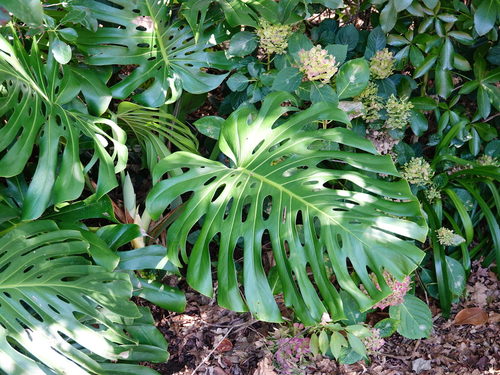
Monstera deliciosa is a popular tropical houseplant known for its large, fenestrated leaves and vining growth habit. It contains insoluble calcium oxalate crystals that can cause irritation if ingested by pets.
Potentially toxic for cats & dogs.
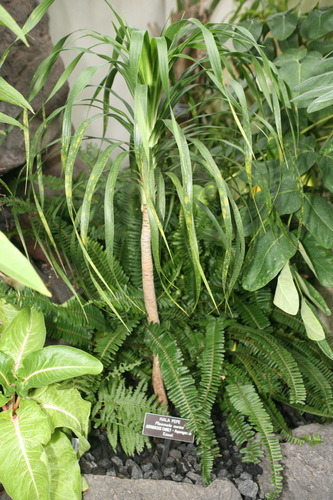
Dracaena trifasciata is a popular, hardy houseplant known for its stiff, sword-like leaves with striking yellow margins. It is widely appreciated for its air-purifying qualities and ability to thrive in various indoor conditions.
Potentially toxic for cats & dogs.
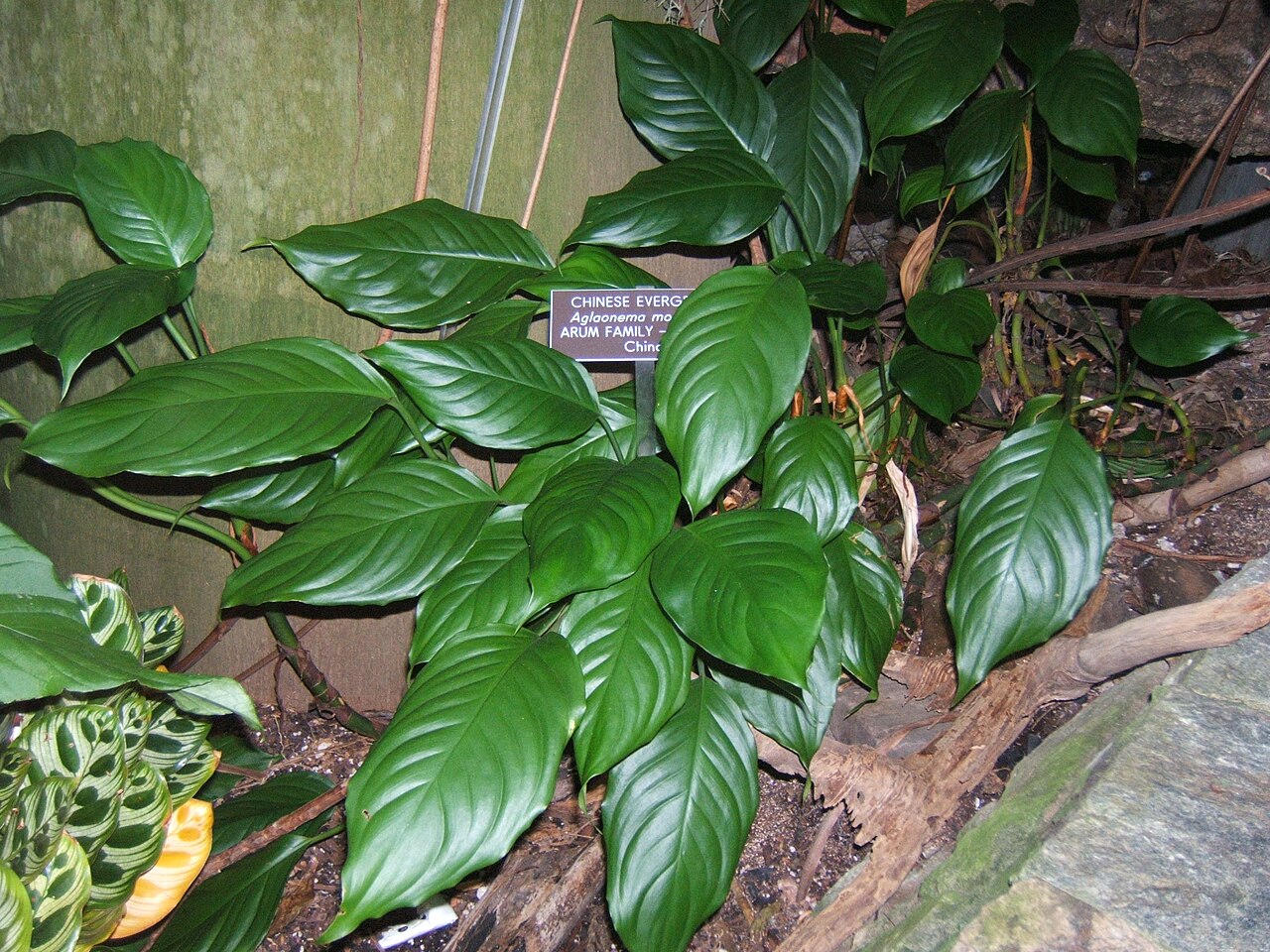
Chinese Evergreen is a popular indoor foliage plant known for its patterned leaves and tolerance of low light conditions. It contains insoluble calcium oxalate crystals that can cause irritation if ingested or chewed.
Potentially toxic for cats & dogs.
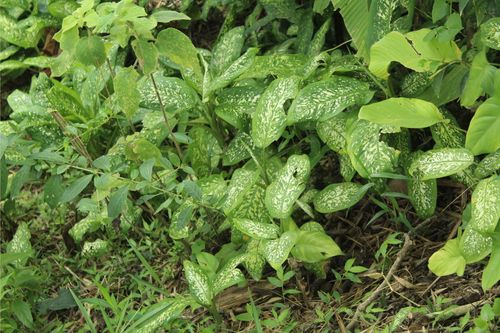
Dieffenbachia is a popular tropical houseplant known for its large, variegated leaves. It contains insoluble calcium oxalate crystals that can cause irritation if ingested or chewed.
Potentially toxic for cats & dogs.