Dogs
Generally safeConsulted references do not classify the plant as toxic for that pet type, while still allowing for mild GI upset if large amounts are chewed.
Verified against ASPCA/provenance audit 2026-05-06 on May 6, 2026.
Sources
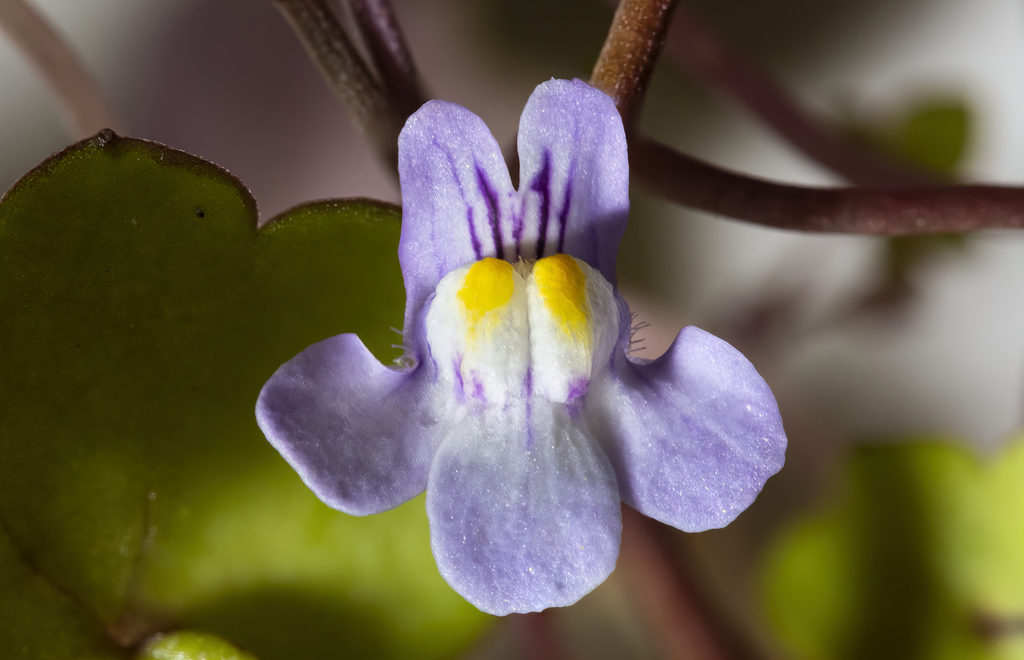
Cymbalaria muralis
Kenilworth Ivy is a delicate, trailing perennial often found growing in rock walls or as a ground cover. It is considered non-toxic to pets, though large ingestions of any fibrous plant material may cause minor digestive upset.
Safety status
Dogs
Generally safeConsulted references do not classify the plant as toxic for that pet type, while still allowing for mild GI upset if large amounts are chewed.
Verified against ASPCA/provenance audit 2026-05-06 on May 6, 2026.
Sources
Dogs are safe around Kenilworth Ivy — the ASPCA lists Cymbalaria muralis as non-toxic for dogs, with no toxic principle reported. Despite the name, this is a snapdragon-family creeper, not English ivy, so the usual ivy worries don't apply.
Sources: ASPCA.
If a pet has chewed or swallowed plant material and is showing symptoms, contact a veterinarian or poison resource immediately. This product is for structured reference, not diagnosis.
Dogs — concern notes
Common signs
None typically expected. In rare cases of large ingestion, mild vomiting or diarrhea may occur due to the fibrous nature of the plant.
Escalation note
This plant is considered non-toxic. If your dog consumes a significant amount and shows persistent signs of distress, contact your veterinarian.
Bring it home
Kenilworth Ivyis generally pet-safe in ordinary household exposure. If you’d like one for your space, here’s a starting point.
Shop on AmazonSome links earn us a small commission. They never affect our safety classifications.
ASPCA Toxic Plant List
toxicology · 99% reliability
Kenilworth Ivy is listed as non-toxic to both cats and dogs by the ASPCA.
NC State Extension Plant Toolbox
botanical · 94% reliability
Cymbalaria muralis is a trailing perennial herb often used in rock gardens and containers.
No, Kenilworth Ivy (Cymbalaria muralis) is considered non-toxic to dogs. It is classified as generally safe, meaning it is not expected to cause poisoning even if your dog chews or eats it.
Most dogs will experience no symptoms at all. In rare cases where a dog consumes a large amount, the fibrous plant material may cause mild, temporary vomiting or diarrhea that typically resolves on its own.
A small nibble does not require an emergency call, but if your dog ate a significant quantity and is showing persistent vomiting, diarrhea, or signs of distress, contact your veterinarian to be safe.
Non-toxic means it won't poison your dog, but it doesn't mean unlimited ingestion is harmless — large amounts of any fibrous plant material can cause GI upset. Keep access limited and treat it as an ornamental plant, not a snack.
Same dog verdict
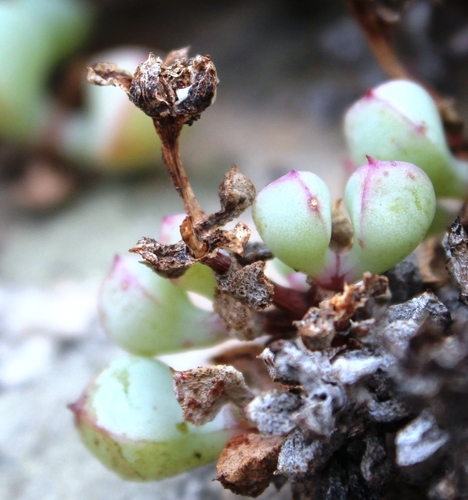
Ice Plant is a succulent groundcover known for its vibrant, daisy-like flowers and fleshy, triangular leaves. It is generally considered safe for pets, though ingestion of large amounts of fibrous plant material may cause minor digestive discomfort.
Generally safe for cats & dogs.
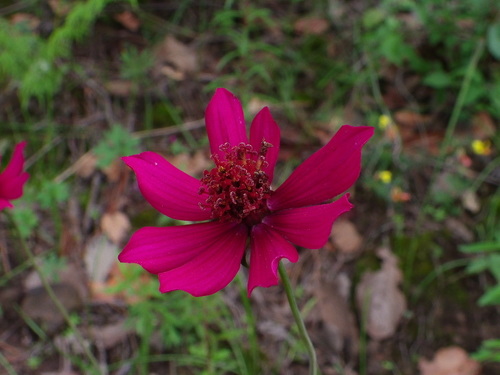
Garden cosmos is a daisy-like annual usually treated as a pet-safe flowering option, though any large plant ingestion can still cause mild stomach upset.
Generally safe for cats & dogs.
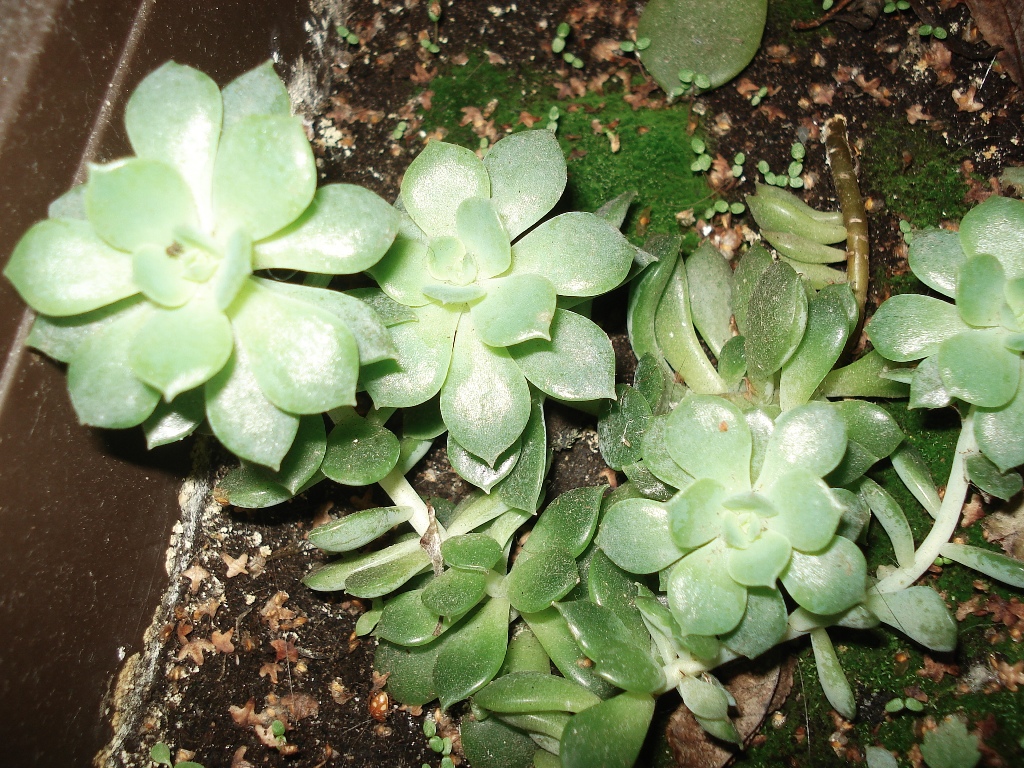
Echeveria is a popular, rosette-forming succulent known for its fleshy, architectural leaves and ease of care. It is considered non-toxic to pets, though ingestion of large amounts of fibrous plant material may cause minor digestive discomfort.
Generally safe for cats & dogs.
The Money Tree is a popular indoor plant known for its braided trunk and palm-like leaves, often associated with good luck and prosperity in home decor.
Generally safe for cats & dogs.