Cats
Potentially toxicConsulted references classify the plant as toxic or irritating for that pet type.
Verified against ASPCA/provenance audit 2026-05-06 on May 6, 2026.
Sources
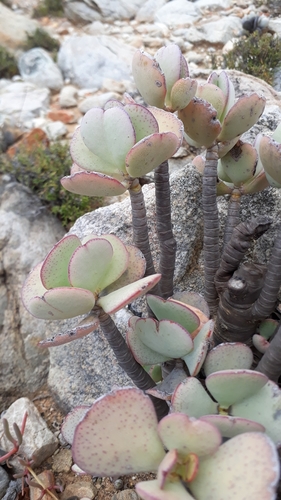
Crassula arborescens
Crassula arborescens is a succulent shrub known for its thick, fleshy, blue-green leaves with reddish margins. While popular as an ornamental houseplant, it contains compounds that can cause adverse reactions if ingested by pets.
Safety status
Cats
Potentially toxicConsulted references classify the plant as toxic or irritating for that pet type.
Verified against ASPCA/provenance audit 2026-05-06 on May 6, 2026.
Sources
Crassula arborescens is on the ASPCA toxic list, and cats are the more sensitive of the two pets. Beyond the usual vomiting, ingestion can produce a wobbly, drunk-looking gait or, less often, tremors — that's the cat-specific tell. Most cases are mild, but a wobbly cat warrants a call.
Most common: vomiting, often within 15–20 minutes, sometimes followed by diarrhea and lethargy 1–4 hours later. Cat-specific: ataxia (drunken, uncoordinated walking). Less common: muscle tremors and a slow heart rate.
Pet Poison Helpline reports onset within 15–20 minutes (vomiting and drooling first), with diarrhea and lethargy following in 1–4 hours. Most cats recover within 24 hours.
Call immediately if your cat shows wobbliness, tremors, or repeated vomiting that won't stop. For a single mild vomit, monitor for two hours and call if signs continue or new ones appear (lethargy, refusing food).
Sources: ASPCA, Pet Poison Helpline.
If a pet has chewed or swallowed plant material and is showing symptoms, contact a veterinarian or poison resource immediately. This product is for structured reference, not diagnosis.
Cats — concern notes
Common signs
Vomiting, depression, ataxia (loss of coordination), and bradycardia (slow heart rate).
Escalation note
Ingestion can lead to gastrointestinal distress and neurological signs. Please contact your veterinarian or a pet poison control center immediately if you suspect your cat has consumed any part of this plant.
Safer alternatives
No hand-picked alternatives for this plant yet. You can still pick your own using the Compare button on any other plant.
ASPCA Toxic Plant List
toxicology · 99% reliability
Chinese Jade is listed as toxic to both cats and dogs, potentially causing vomiting, depression, and ataxia.
Plants of the World Online (Kew)
botanical · 95% reliability
Accepted botanical name and distribution data for Crassula arborescens.
Yes, the Silver Dollar Plant is considered potentially toxic to cats. Ingestion can cause vomiting, depression, ataxia (loss of coordination), and bradycardia (slow heart rate), making it a plant to keep well out of your cat's reach.
Vomiting typically appears within 15–20 minutes, often followed by diarrhea and lethargy 1–4 hours later. Cat-specific signs include ataxia — a drunken, uncoordinated gait. Less commonly, muscle tremors and a slow heart rate may occur. Most cats recover within 24 hours.
Call your vet or the ASPCA Animal Poison Control Center at (888) 426-4435 right away. Call immediately if your cat shows wobbliness, tremors, or repeated vomiting; for a single mild vomit, monitor for two hours and call if symptoms continue or new ones appear such as lethargy or refusing food.
Onset is fast — Pet Poison Helpline reports vomiting and drooling beginning within 15–20 minutes of ingestion, with diarrhea and lethargy following in 1–4 hours. Because neurological signs like ataxia can develop, don't wait to see if symptoms resolve on their own before contacting a vet.
Same cat verdict
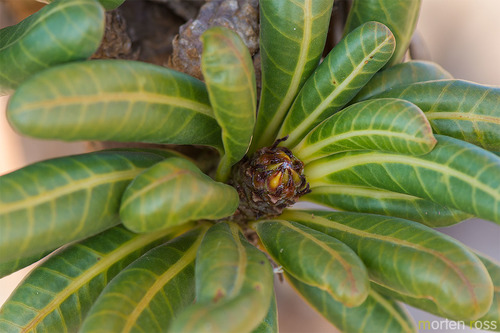
Adenium obesum is a succulent shrub known for its swollen base and vibrant, trumpet-shaped flowers. It contains cardiac glycosides that are harmful if ingested by pets.
Potentially toxic for cats & dogs.
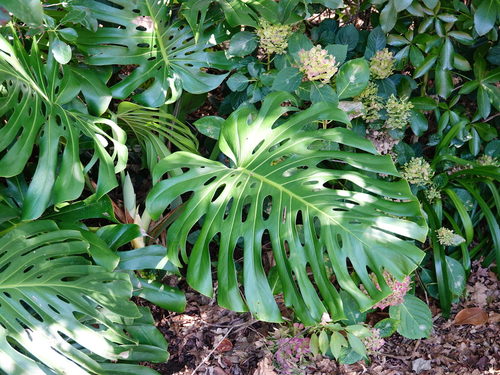
Monstera deliciosa is a popular tropical houseplant known for its large, fenestrated leaves and vining growth habit. It contains insoluble calcium oxalate crystals that can cause irritation if ingested by pets.
Potentially toxic for cats & dogs.
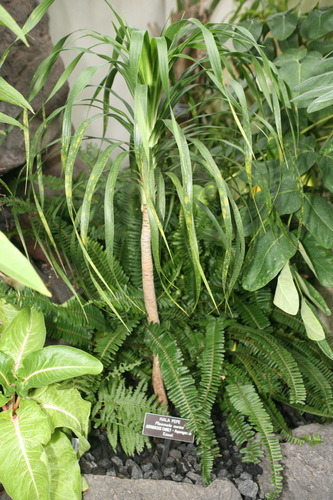
Dracaena trifasciata is a popular, hardy houseplant known for its stiff, sword-like leaves with striking yellow margins. It is widely appreciated for its air-purifying qualities and ability to thrive in various indoor conditions.
Potentially toxic for cats & dogs.
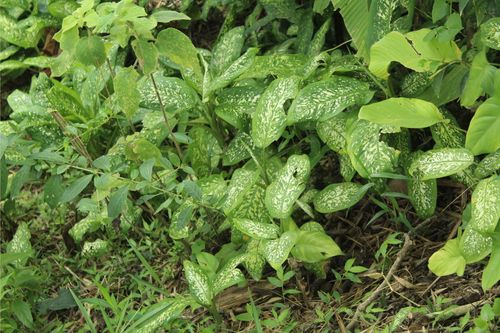
Dieffenbachia is a popular tropical houseplant known for its large, variegated leaves. It contains insoluble calcium oxalate crystals that can cause irritation if ingested or chewed.
Potentially toxic for cats & dogs.