Dogs
Potentially toxicConsulted references classify the plant as toxic or irritating for that pet type.
Verified against ASPCA/provenance audit 2026-05-06 on May 6, 2026.
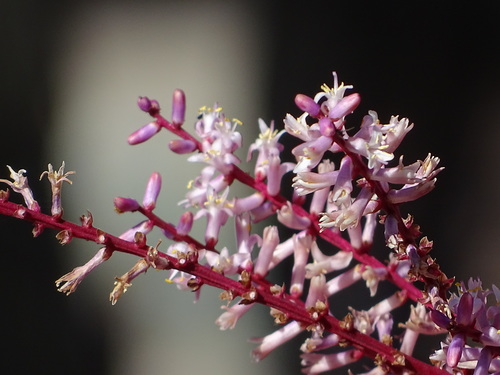
Cordyline fruticosa
The Hawaiian Ti is a popular tropical ornamental known for its vibrant, lance-shaped foliage. It contains saponins which can cause gastrointestinal distress if ingested by pets.
Safety status
Dogs
Potentially toxicConsulted references classify the plant as toxic or irritating for that pet type.
Verified against ASPCA/provenance audit 2026-05-06 on May 6, 2026.
Dogs that chew Hawaiian Ti get a dose of saponins from the leaves, which the ASPCA links to GI upset rather than systemic poisoning. Unlike cats, dogs typically do not show dilated pupils — the picture here is mostly vomiting and drooling.
Vomiting (occasionally with blood), hypersalivation, depression, and anorexia. Diarrhea and weakness can follow. Severity tends to scale with how much foliage was eaten.
ASPCA does not publish a precise onset window; GI signs typically appear within hours and resolve in 24 hours or so with supportive care.
Call your vet or ASPCA Poison Control (888-426-4435) if vomiting is persistent or bloody, your dog seems weak, or a large amount of plant material was eaten. Mild, single-episode vomiting in an otherwise alert dog usually resolves on its own.
Sources: ASPCA (no first-aid guidance).
If a pet has chewed or swallowed plant material and is showing symptoms, contact a veterinarian or poison resource immediately. This product is for structured reference, not diagnosis.
Dogs — concern notes
Common signs
Vomiting, diarrhea, excessive salivation, and lethargy.
Escalation note
While generally not life-threatening, ingestion can cause significant stomach upset. Consult a veterinarian for guidance if ingestion is suspected.
Safer alternatives
No hand-picked alternatives for this plant yet. You can still pick your own using the Compare button on any other plant.
Yes, Hawaiian Ti (Cordyline fruticosa) is considered potentially toxic to dogs. It contains saponins that can cause gastrointestinal distress if ingested, though ingestion is generally not life-threatening.
Expect vomiting (occasionally with blood), excessive salivation, diarrhea, lethargy, and loss of appetite. Weakness can also follow, and severity tends to scale with how much foliage was eaten.
Monitor your dog closely for GI symptoms. Call your vet or the ASPCA Animal Poison Control Center at (888) 426-4435 if vomiting is persistent or bloody, your dog seems weak, or a large amount of plant material was eaten. Mild, single-episode vomiting in an otherwise alert dog typically resolves on its own.
A precise onset window is not published by the ASPCA, but GI signs typically appear within a few hours of ingestion and generally resolve within about 24 hours with supportive care.
Same dog verdict
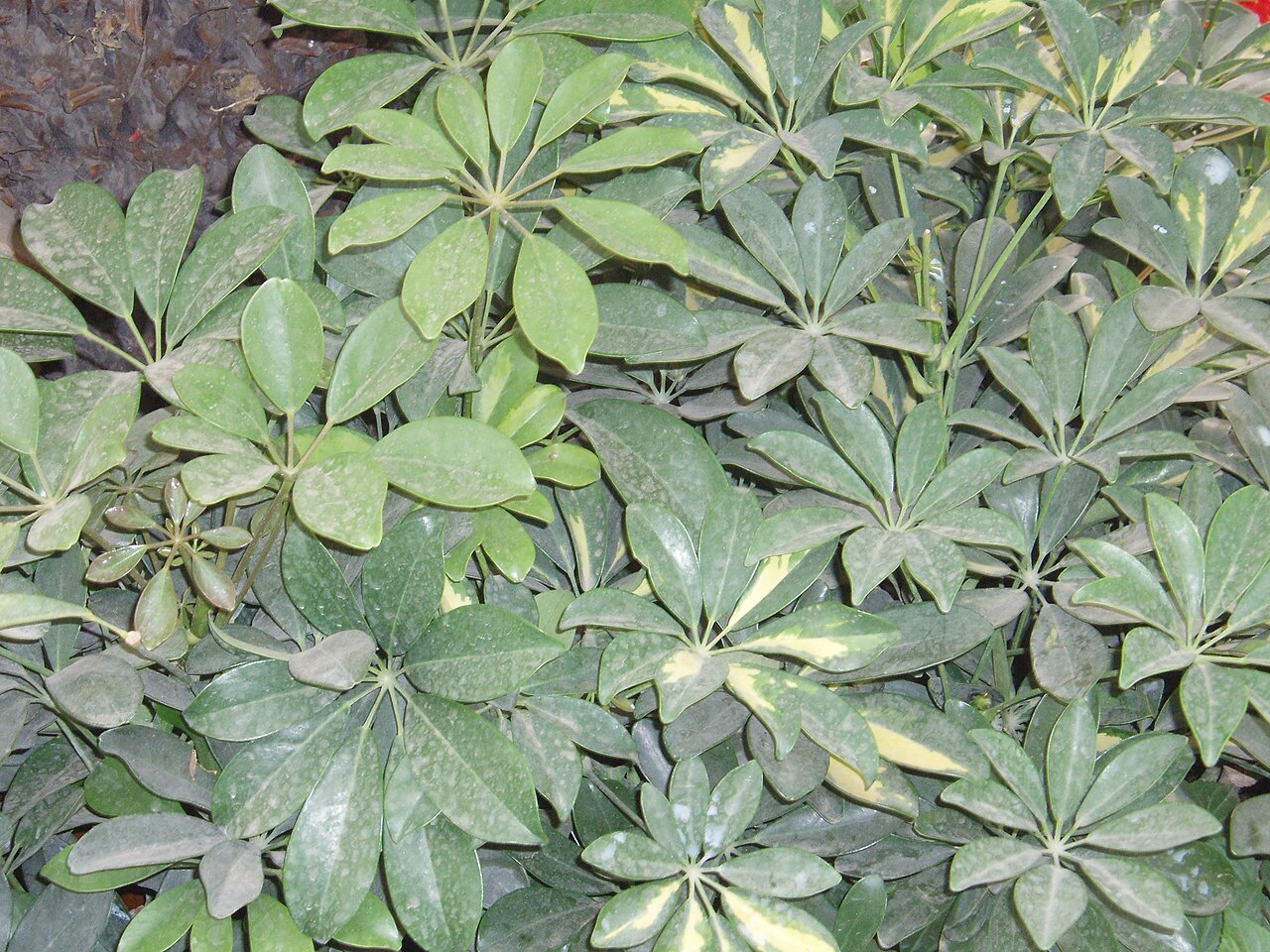
Schefflera is a popular tropical houseplant known for its glossy, palm-like leaflets arranged in a circular pattern. It contains insoluble calcium oxalate crystals that can cause irritation upon ingestion.
Potentially toxic for cats & dogs.
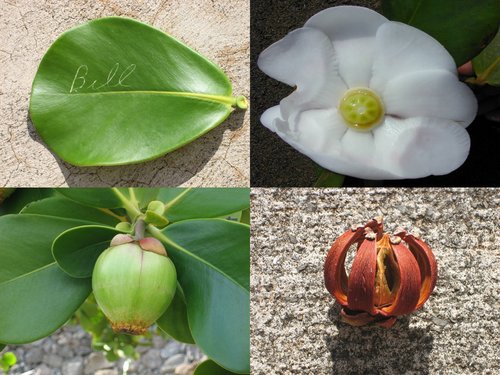
Clusia major is a tropical evergreen shrub known for its thick, leathery leaves and unique ability to grow as an epiphyte. It is commonly kept as a houseplant for its architectural foliage, but it contains compounds that can cause irritation if ingested by pets.
Potentially toxic for cats & dogs.
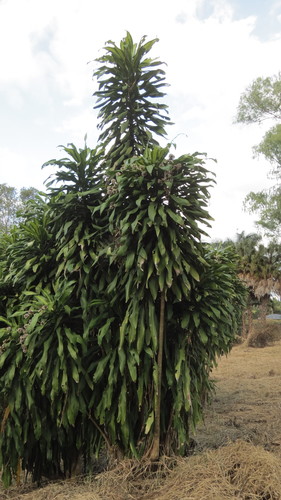
The Corn Plant is a popular indoor shrub known for its long, arching, sword-like leaves that resemble corn stalks. While aesthetically pleasing, it contains saponins that can cause adverse reactions if ingested by pets.
Potentially toxic for cats & dogs.
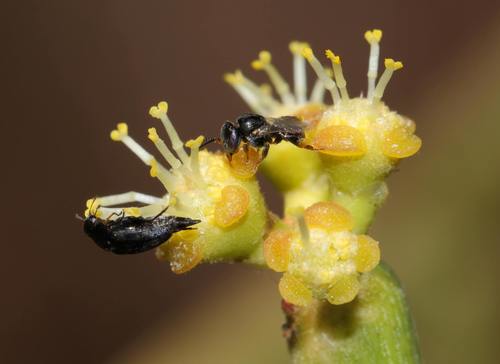
The Pencil Cactus is a succulent shrub known for its pencil-thin, leafless branches that contain a highly irritating milky white sap. It is widely recognized for its ornamental value but requires careful handling due to its toxic properties.
Potentially toxic for cats & dogs.