Cats
Potentially toxicConsulted references classify the plant as toxic or irritating for that pet type.
Verified against ASPCA/provenance audit 2026-05-06 on May 6, 2026.
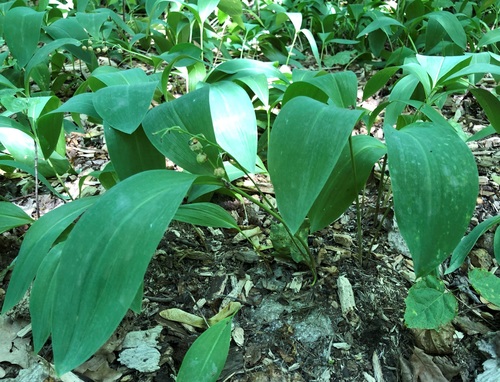
Convallaria majalis
Lily of the Valley is a popular spring-flowering perennial known for its fragrant, bell-shaped white flowers. It contains cardiac glycosides that are highly toxic to pets if ingested.
Safety status
Cats
Potentially toxicConsulted references classify the plant as toxic or irritating for that pet type.
Verified against ASPCA/provenance audit 2026-05-06 on May 6, 2026.
Lily of the valley is a cardiac emergency for cats — not a stomach-ache plant. Every part (leaves, flowers, berries, and the vase water) contains cardiac glycosides that disrupt heart rhythm. Treat any suspected ingestion as urgent, even if your cat seems fine right now.
Earliest: vomiting, drooling, and lethargy. Quickly progressing to slow or irregular heartbeat, low blood pressure, disorientation, weakness, and in severe cases seizures or collapse. Heart and GI signs together after garden access are a major red flag.
Pet Poison Helpline reports clinical signs typically begin within the first 2 hours after exposure and can persist 4–5 days during treatment.
Call your vet, ASPCA Poison Control (888-426-4435), or Pet Poison Helpline (855-764-7661) immediately — do not wait for symptoms to worsen. ECG monitoring and supportive care are usually required.
Sources: ASPCA, Pet Poison Helpline.
If a pet has chewed or swallowed plant material and is showing symptoms, contact a veterinarian or poison resource immediately. This product is for structured reference, not diagnosis.
Cats — concern notes
Common signs
Vomiting, irregular heartbeat, low blood pressure, disorientation, and potential seizures.
Escalation note
This plant is considered highly toxic. Ingestion of any part of the plant can lead to life-threatening cardiac arrhythmias. Contact your veterinarian immediately if ingestion is suspected.
Safer alternatives
No hand-picked alternatives for this plant yet. You can still pick your own using the Compare button on any other plant.
NC State Extension Plant Toolbox
botanical · 94% reliability
Convallaria majalis is a rhizomatous perennial that is highly toxic to humans and animals.
Yes, Lily of the Valley (Convallaria majalis) is highly toxic to cats. It contains cardiac glycosides that can cause life-threatening heart arrhythmias, and ingestion of any part of the plant — flowers, leaves, or roots — is considered a veterinary emergency.
Early signs include vomiting, drooling, and lethargy, typically appearing within 2 hours of exposure. These can rapidly progress to slow or irregular heartbeat, low blood pressure, disorientation, weakness, and in severe cases seizures or collapse. Heart and GI symptoms together after garden access are a major red flag.
Call your vet, the ASPCA Animal Poison Control Center at (888) 426-4435, or the Pet Poison Helpline at (855) 764-7661 immediately — do not wait for symptoms to appear or worsen. Cats with significant exposure typically require ECG monitoring and supportive care, and clinical signs can persist 4–5 days during treatment.
No safe amount is known — ingestion of any part of the plant is considered potentially life-threatening due to its cardiac glycoside content. The severity notes from this plant's toxicity profile explicitly state that any ingestion can lead to life-threatening cardiac arrhythmias.
Same cat verdict
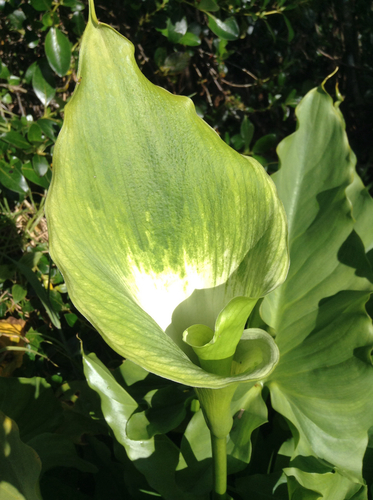
The Arum Lily is a popular ornamental plant known for its striking white spathes, but it contains insoluble calcium oxalate crystals that can cause irritation upon ingestion. It is considered toxic to both cats and dogs.
Potentially toxic for cats & dogs.
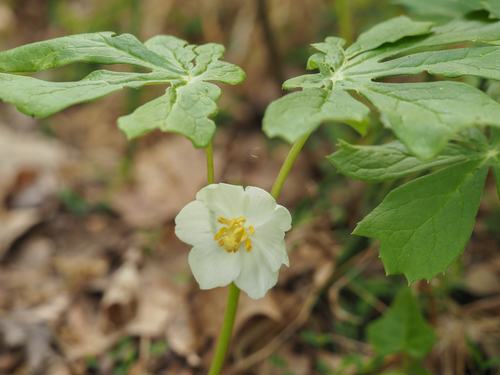
American Mandrake is a perennial woodland plant known for its umbrella-like leaves and single white flower. It contains podophyllotoxin, which is highly irritating and potentially dangerous if ingested by pets.
Potentially toxic for cats & dogs.
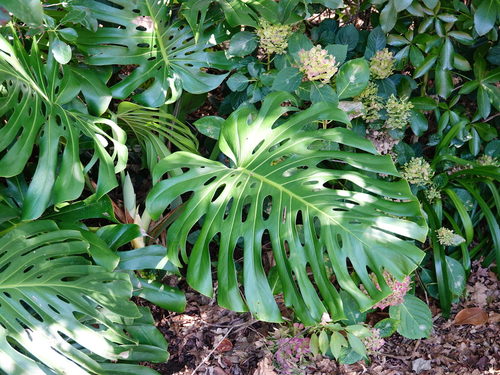
Monstera deliciosa is a popular tropical houseplant known for its large, fenestrated leaves and vining growth habit. It contains insoluble calcium oxalate crystals that can cause irritation if ingested by pets.
Potentially toxic for cats & dogs.
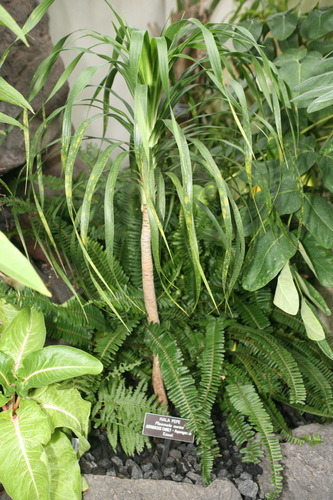
Dracaena trifasciata is a popular, hardy houseplant known for its stiff, sword-like leaves with striking yellow margins. It is widely appreciated for its air-purifying qualities and ability to thrive in various indoor conditions.
Potentially toxic for cats & dogs.