Dogs
Potentially toxicConsulted references classify the plant as toxic or irritating for that pet type.
Verified against ASPCA/provenance audit 2026-05-06 on May 6, 2026.
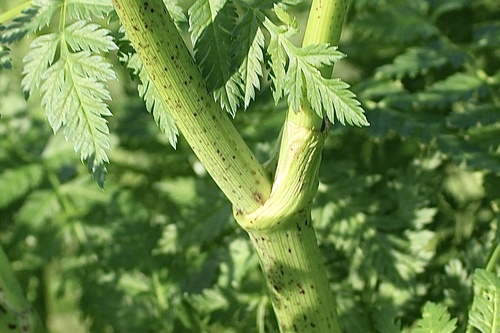
Conium maculatum
Poison Hemlock is a highly dangerous biennial herb containing potent piperidine alkaloids that affect the nervous system. It is considered one of the most toxic plants and should be strictly avoided in any environment accessible to pets.
Safety status
Dogs
Potentially toxicConsulted references classify the plant as toxic or irritating for that pet type.
Verified against ASPCA/provenance audit 2026-05-06 on May 6, 2026.
Poison hemlock is rated high severity for dogs by the NC State Extension Plant Toolbox — the whole plant is toxic and can be fatal. Dogs may chew the foul-smelling leaves or roots while exploring, and the alkaloids inside can shut down breathing. Treat any suspected ingestion as a 911-style emergency.
Per the NC State listing: salivation, vomiting, diarrhea, muscular weakness, trembling, dilation of the pupils, nervousness, weak pulse, paralysis, convulsions, and coma. Earlier signs (drooling, vomiting, wobbliness) usually appear before the more severe neuromuscular signs.
The NC State page does not give precise onset or recovery times. Clinical experience and toxicology references describe rapid onset (typically within 30 minutes to a few hours of ingestion) with potentially fatal respiratory paralysis within hours if untreated.
Call immediately. Any amount of poison hemlock in a dog is a veterinary emergency — head to the nearest emergency clinic and call ASPCA Animal Poison Control at (888) 426-4435 on the way. Don’t wait for severe signs; the alkaloids can progress to respiratory failure quickly.
Sources: NC State Extension (no first-aid guidance).
If a pet has chewed or swallowed plant material and is showing symptoms, contact a veterinarian or poison resource immediately. This product is for structured reference, not diagnosis.
Dogs — concern notes
Common signs
Muscle weakness, incoordination, rapid heart rate, seizures, and respiratory failure.
Escalation note
The toxins in this plant act rapidly on the nervous system. Contact a veterinarian or animal poison control center immediately if your dog consumes any part of this plant.
Safer alternatives
No hand-picked alternatives for this plant yet. You can still pick your own using the Compare button on any other plant.
NC State Extension Plant Toolbox
botanical · 94% reliability
Conium maculatum is a highly poisonous plant that is toxic to humans and animals if ingested.
Yes, poison hemlock (Conium maculatum) is extremely toxic to dogs. It contains potent piperidine alkaloids that rapidly attack the nervous system, and any amount consumed is considered a veterinary emergency.
Early signs include drooling, vomiting, diarrhea, and wobbliness. These can quickly progress to muscle weakness, trembling, incoordination, dilated pupils, weak pulse, rapid heart rate, seizures, paralysis, and coma. Respiratory failure can occur within hours of ingestion.
Go to the nearest emergency veterinary clinic immediately — do not wait for severe symptoms to appear. On the way, call ASPCA Animal Poison Control at (888) 426-4435. The alkaloids can progress to fatal respiratory paralysis within hours, so speed is critical.
Onset is rapid, typically within 30 minutes to a few hours of ingestion. The alkaloids act directly on the nervous system, and without prompt treatment, the condition can progress to respiratory paralysis and death within hours.
Same dog verdict
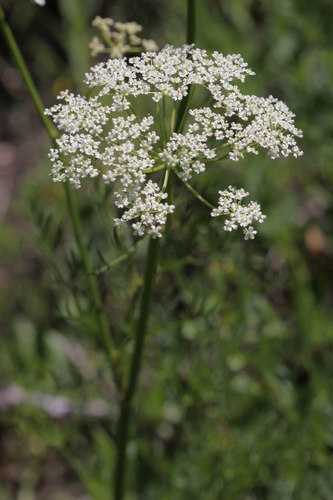
Carum carvi is a biennial herb in the Apiaceae family widely cultivated for its aromatic seeds. While commonly used in culinary applications, ingestion of the plant in large quantities may cause adverse reactions in pets.
Potentially toxic for cats & dogs.
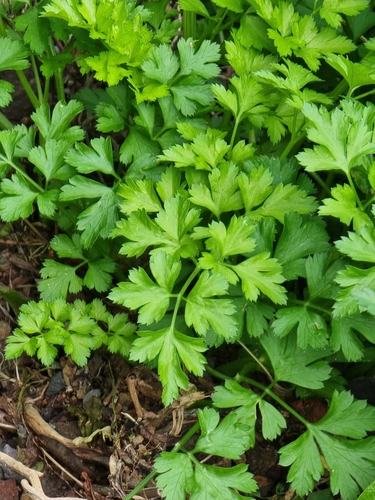
Parsley is a popular culinary herb that contains furanocoumarins and psoralens, which can cause photosensitivity in pets if ingested in large quantities. While commonly used in human cooking, it is considered toxic to both cats and dogs.
Potentially toxic for cats & dogs.
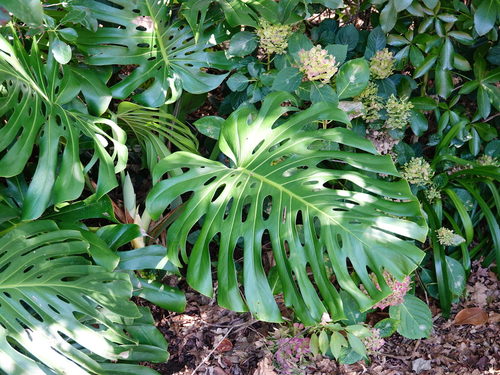
Monstera deliciosa is a popular tropical houseplant known for its large, fenestrated leaves and vining growth habit. It contains insoluble calcium oxalate crystals that can cause irritation if ingested by pets.
Potentially toxic for cats & dogs.
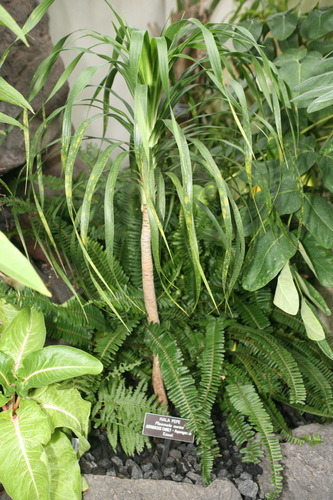
Dracaena trifasciata is a popular, hardy houseplant known for its stiff, sword-like leaves with striking yellow margins. It is widely appreciated for its air-purifying qualities and ability to thrive in various indoor conditions.
Potentially toxic for cats & dogs.