Dogs
Potentially toxicConsulted references classify the plant as toxic or irritating for that pet type.
Verified against ASPCA/provenance audit 2026-05-06 on May 6, 2026.
Sources
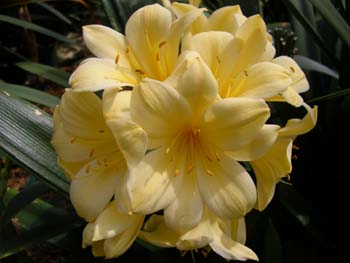
Clivia spp.
Clivia is a popular, slow-growing shade-loving plant known for its strap-like leaves and vibrant clusters of trumpet-shaped flowers. It contains lycorine and other alkaloids that can cause gastrointestinal distress if ingested by pets.
Safety status
Dogs
Potentially toxicConsulted references classify the plant as toxic or irritating for that pet type.
Verified against ASPCA/provenance audit 2026-05-06 on May 6, 2026.
Sources
Dogs are the pet most likely to actually dig up and chew a clivia bulb, which is where the highest concentration of lycorine and toxic alkaloids sits. ASPCA lists clivia as toxic to dogs; foliage usually triggers drooling, vomiting, and diarrhea, but a chewed bulb can push into tremors, low blood pressure, or cardiac rhythm changes per Pet Poison Helpline.
Drooling, vomiting, and diarrhea early on. Larger ingestions — especially the bulb — can progress to weakness, tremors, low blood pressure, irregular heart rate, and in severe cases seizures.
Exact onset isn't published. Pet Poison Helpline classifies clivia among rapid-onset alkaloid plants — GI signs typically begin within minutes to a few hours; cardiac and neurologic signs depend on dose.
Call ASPCA Animal Poison Control (888-426-4435) or your vet immediately if your dog ate any bulb, or you see persistent vomiting, weakness, tremors, or trouble standing. A leaf nibble with no symptoms is still worth a call to set a monitoring plan.
Sources: ASPCA, Pet Poison Helpline.
If a pet has chewed or swallowed plant material and is showing symptoms, contact a veterinarian or poison resource immediately. This product is for structured reference, not diagnosis.
Dogs — concern notes
Common signs
Vomiting, diarrhea, lethargy, and potential tremors in severe cases.
Escalation note
While generally considered mild to moderate in toxicity, ingestion can lead to discomfort and dehydration. Always consult a veterinarian if your dog shows signs of illness after exposure.
Safer alternatives
No hand-picked alternatives for this plant yet. You can still pick your own using the Compare button on any other plant.
ASPCA Toxic Plant List
toxicology · 99% reliability
Clivia lily contains lycorine and other alkaloids which can cause vomiting, diarrhea and drooling.
NC State Extension Plant Toolbox
botanical · 94% reliability
Clivia miniata is a perennial bulbous plant that is toxic to dogs and cats.
Yes, clivia lily (Clivia spp.) is potentially toxic to dogs. It contains lycorine and other alkaloids that can cause vomiting, diarrhea, lethargy, and tremors in severe cases.
Early signs include drooling, vomiting, and diarrhea. Larger ingestions — especially of the bulb — can progress to weakness, tremors, low blood pressure, irregular heart rate, and in severe cases seizures. GI signs typically begin within minutes to a few hours.
Call ASPCA Animal Poison Control at (888) 426-4435 or your vet immediately if your dog ate any part of the bulb, or if you see persistent vomiting, weakness, tremors, or trouble standing. Even a leaf nibble with no symptoms warrants a call to set a monitoring plan.
The bulb is the most dangerous part — larger ingestions of the bulb are associated with the more severe signs like weakness, tremors, and cardiac effects. However, all parts of the plant contain alkaloids and should be considered harmful.
Same dog verdict
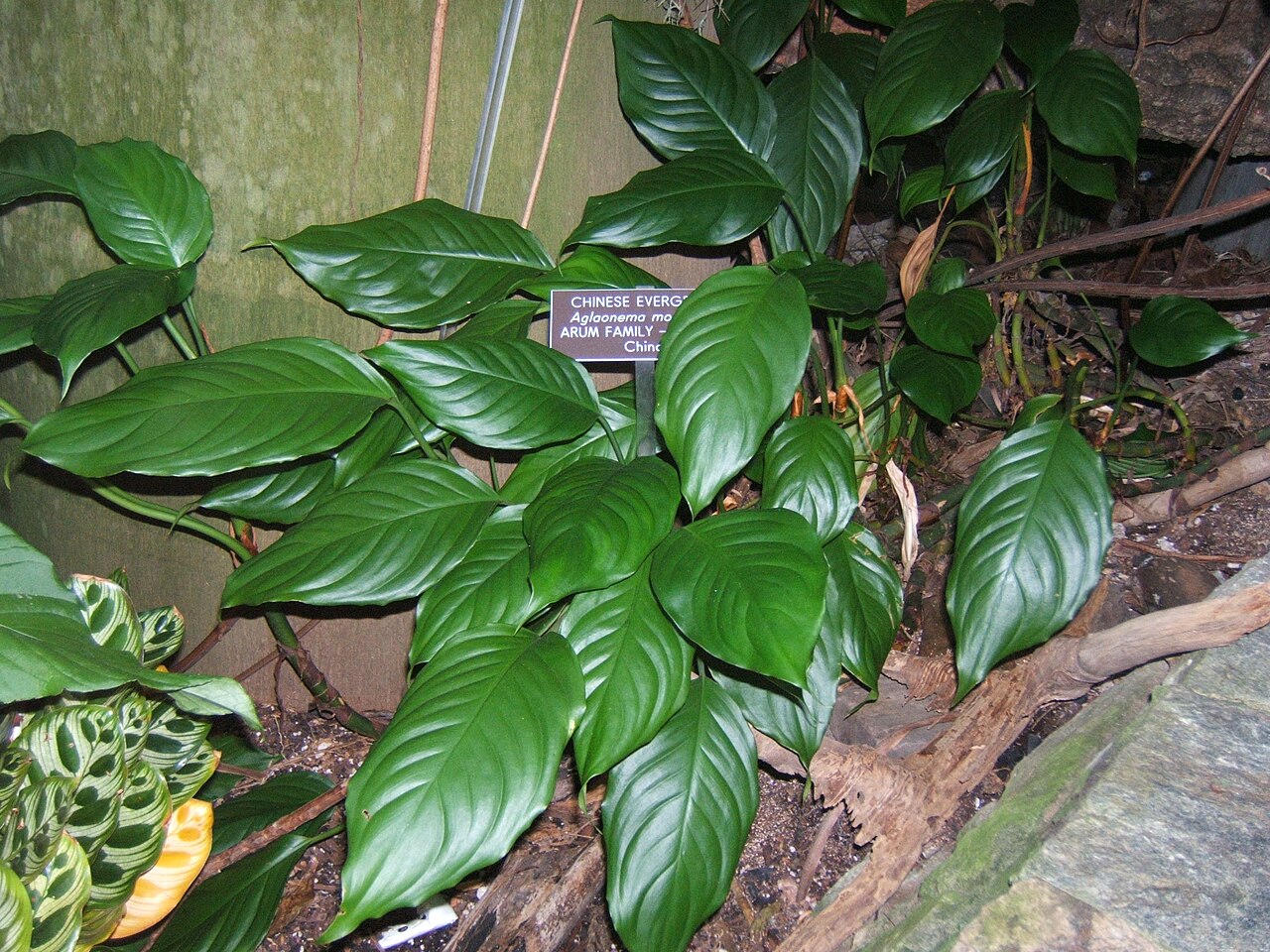
Chinese Evergreen is a popular indoor foliage plant known for its patterned leaves and tolerance of low light conditions. It contains insoluble calcium oxalate crystals that can cause irritation if ingested or chewed.
Potentially toxic for cats & dogs.
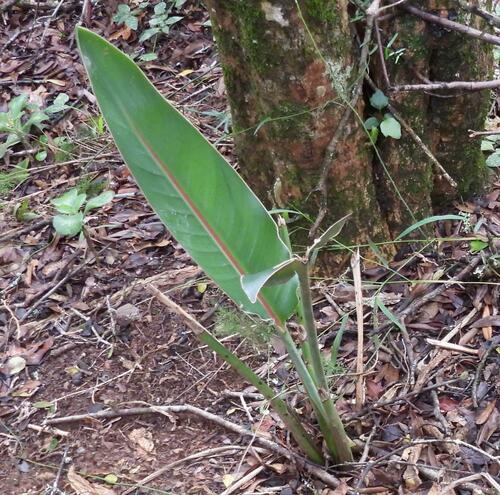
The Bird of Paradise is a popular tropical houseplant known for its striking, crane-like orange and blue flowers. While visually stunning, it contains compounds that can cause gastrointestinal distress if ingested by pets.
Potentially toxic for cats & dogs.
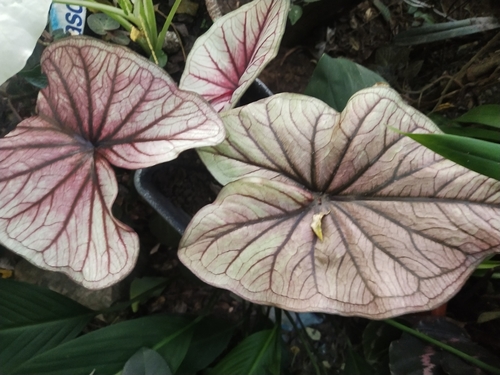
Caladiums are popular tropical foliage plants known for their vibrant, heart-shaped leaves. They contain insoluble calcium oxalate crystals that can cause irritation if ingested.
Potentially toxic for cats & dogs.
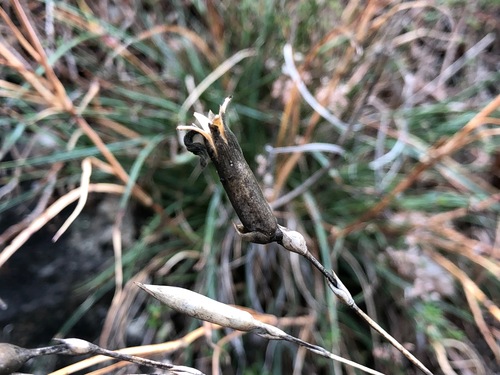
The carnation is a popular flowering plant known for its ruffled petals and spicy fragrance. While beautiful in bouquets, it contains compounds that can cause mild irritation if ingested by pets.
Potentially toxic for cats & dogs.