Cats
Potentially toxicConsulted references classify the plant as toxic or irritating for that pet type.
Verified against ASPCA/provenance audit 2026-05-06 on May 6, 2026.
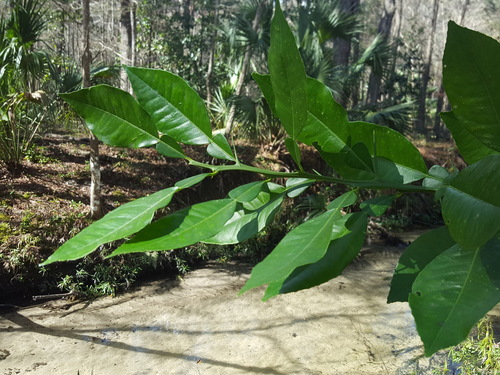
Citrus sinensis
The sweet orange is a popular citrus tree known for its fragrant blossoms and edible fruit. While the fruit is a common food item, the essential oils and plant parts contain compounds that can cause irritation to pets.
Safety status
Cats
Potentially toxicConsulted references classify the plant as toxic or irritating for that pet type.
Verified against ASPCA/provenance audit 2026-05-06 on May 6, 2026.
Cats are markedly more sensitive to citrus than dogs because they lack a key liver enzyme needed to clear citrus essential oils. ASPCA lists Sweet Orange as toxic via essential oils and psoralens, with the peel, leaves, seeds, and stems carrying the most. Concentrated d-limonene products (cleaners, undiluted essential oil) are far more dangerous than the fruit itself.
Vomiting, diarrhea, drooling, depression, and skin redness or irritation where peel oils touched fur. With concentrated essential-oil exposure expect tremors, wobbly walking (ataxia), low body temperature, weakness, breathing difficulty, and — in severe cases — liver injury.
Onset is typically 6–12 hours after exposure to concentrated oils, sometimes faster with skin absorption. GI signs from leaf or peel ingestion can appear within 1–6 hours. Recovery generally takes 24–48 hours with supportive care; liver effects can lag and persist longer.
Call any time you see drooling, tremors, ataxia, or breathing changes. For known concentrated essential-oil exposure (skin or oral) call immediately. For a few chewed leaves or a fruit-flesh nibble, monitor and call if vomiting persists past 12 hours or your cat goes off food.
If essential oil is on the fur or skin, bathe the cat with a small amount of mild dish soap and lukewarm water and rinse thoroughly to stop further absorption. Do not induce vomiting and do not give activated charcoal or other home remedies. Call ASPCA Animal Poison Control at (888) 426-4435 or Pet Poison Helpline at (855) 764-7661.
Sources: ASPCA, Pet Poison Helpline.
If a pet has chewed or swallowed plant material and is showing symptoms, contact a veterinarian or poison resource immediately. This product is for structured reference, not diagnosis.
Cats — concern notes
Common signs
Vomiting, diarrhea, lethargy, and potential skin irritation upon contact with essential oils.
Escalation note
Ingestion of plant parts or exposure to concentrated essential oils can cause gastrointestinal upset. Please contact your veterinarian if your cat shows signs of distress.
Safer alternatives
No hand-picked alternatives for this plant yet. You can still pick your own using the Compare button on any other plant.
GI signs from leaf or peel ingestion typically appear within 1–6 hours. With concentrated essential-oil exposure, onset is usually 6–12 hours but can be faster when absorbed through the skin. Most cats recover in 24–48 hours with supportive care, though potential liver effects can lag and persist longer — monitor your cat past the initial recovery window.
Yes, sweet orange (Citrus sinensis) is considered potentially toxic to cats. The essential oils in the peel, leaves, and plant parts can cause vomiting, diarrhea, lethargy, and skin irritation — even if the fruit flesh itself is less concentrated.
GI signs — vomiting, diarrhea, and drooling — can appear within 1–6 hours of chewing leaves or peel. Exposure to concentrated essential oils can also cause tremors, wobbly walking (ataxia), low body temperature, weakness, breathing difficulty, and skin redness where peel oils contacted fur. In severe cases, liver injury is possible and may appear later than the initial symptoms.
Bathe her promptly with a small amount of mild dish soap and lukewarm water, then rinse thoroughly to stop further absorption through the skin. Do not induce vomiting and do not give activated charcoal or other home remedies. Call ASPCA Animal Poison Control at (888) 426-4435 or Pet Poison Helpline at (855) 764-7661 for guidance, or call your vet immediately if she shows tremors, ataxia, or breathing changes.
Same cat verdict
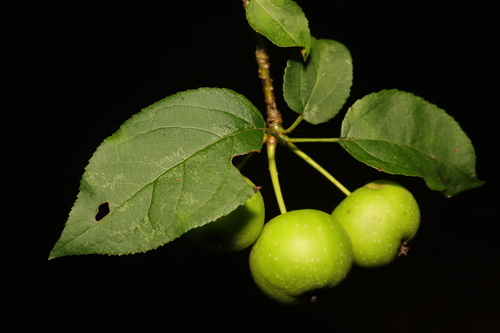
The apple tree is a deciduous fruit-bearing plant known for its edible fruit, though the seeds and foliage contain cyanogenic glycosides that can be harmful if ingested in large quantities. While the fruit flesh is generally safe, the plant parts containing amygdalin pose a risk to pets.
Potentially toxic for cats & dogs.
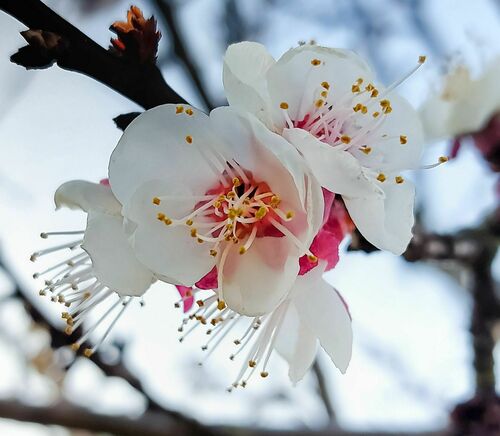
The apricot tree is a fruit-bearing species in the rose family. While the fruit flesh is generally considered safe, the stems, leaves, and seeds contain cyanogenic glycosides that can be harmful if ingested.
Potentially toxic for cats & dogs.
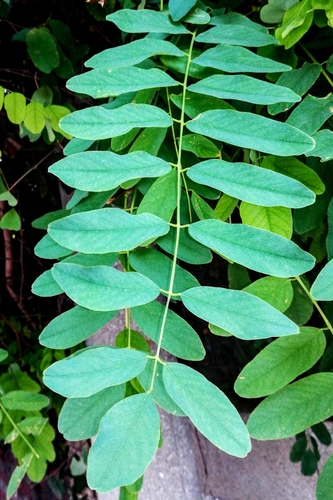
Robinia species, commonly known as locust trees, contain toxic proteins and alkaloids throughout the bark, leaves, and seeds. Ingestion can lead to significant gastrointestinal and neurological distress in pets.
Potentially toxic for cats & dogs.
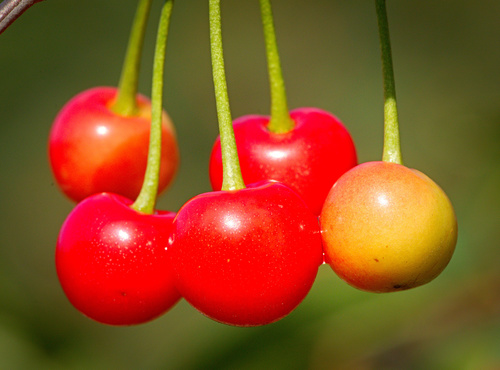
Prunus avium is a deciduous tree known for its edible fruit, but its stems, leaves, and seeds contain cyanogenic glycosides that can be harmful if ingested by pets. It is widely cultivated for fruit production and as an ornamental specimen.
Potentially toxic for cats & dogs.