Dogs
Potentially toxicConsulted references classify the plant as toxic or irritating for that pet type.
Verified against ASPCA/provenance audit 2026-05-06 on May 6, 2026.
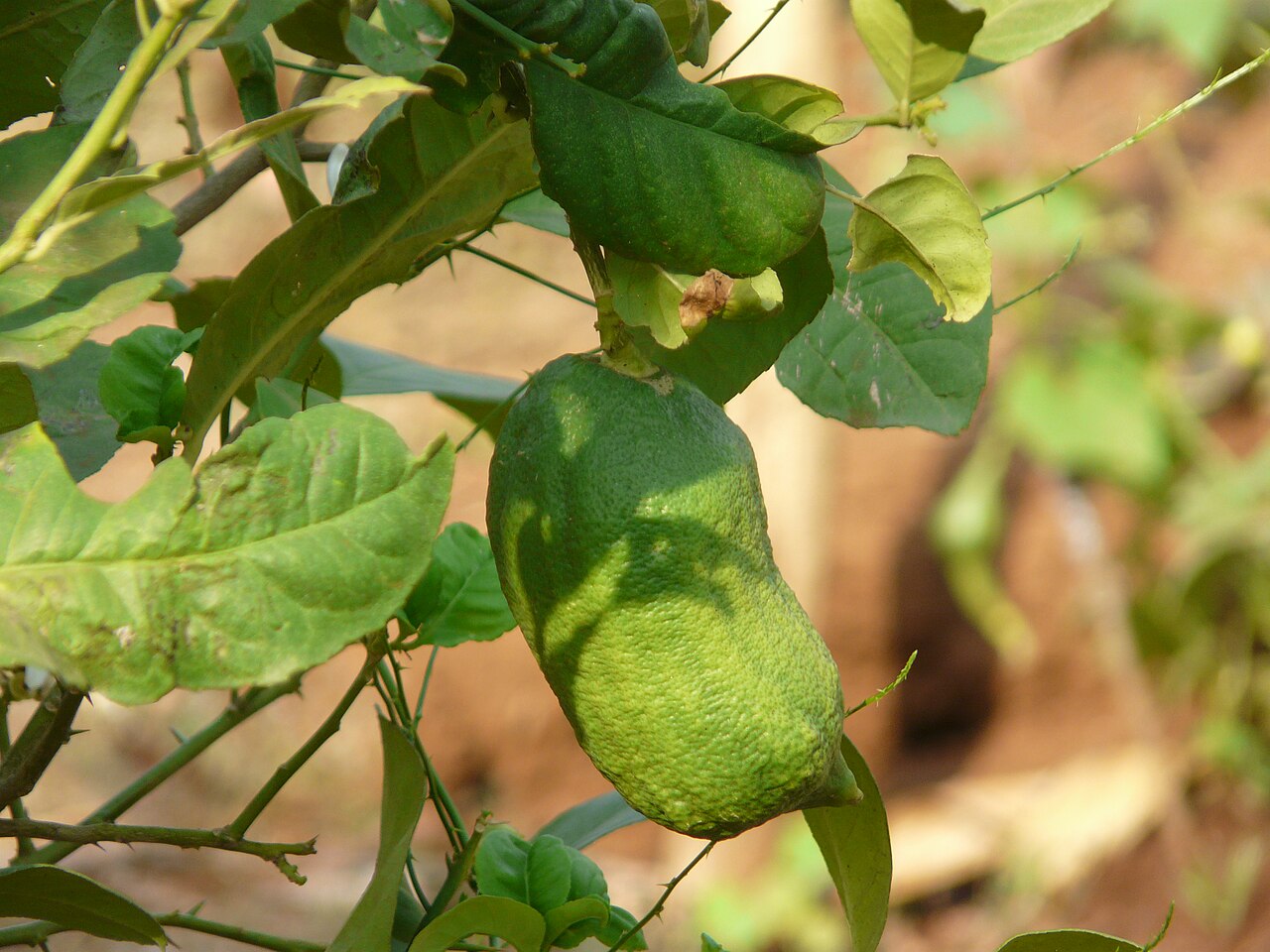
Citrus limonia
The lemon tree is a popular citrus plant known for its fragrant blossoms and acidic fruit. While often grown for culinary use, all parts of the plant contain essential oils and psoralens that can cause adverse reactions in pets.
Safety status
Dogs
Potentially toxicConsulted references classify the plant as toxic or irritating for that pet type.
Verified against ASPCA/provenance audit 2026-05-06 on May 6, 2026.
Dogs: ASPCA lists lemon as toxic, with essential oils and psoralens as the toxic principles. The flesh of the fruit is the least concerning part; the rind, leaves, seeds, and especially bottled lemon essential oil are where most pet exposures cause real problems.
Most common signs are vomiting, diarrhea, depression, and dermatitis where peel oil contacted the skin. Larger or essential-oil exposures can cause weakness, ataxia, and tremors.
GI signs from peel or leaf ingestion typically begin within a few hours and resolve within 24–48 hours. Essential-oil exposures can take 3–7 days to fully resolve.
Call a vet or ASPCA Poison Control (888-426-4435) if your dog ingested lemon essential oil, ate a large amount of peel or leaves, or shows ongoing vomiting, weakness, or wobbliness.
Take the lemon away and bathe any peel oil off the coat with a mild dish soap. Offer fresh water. Do not induce vomiting unless directed by a veterinarian or poison control.
Sources: ASPCA, Pet Poison Helpline.
If a pet has chewed or swallowed plant material and is showing symptoms, contact a veterinarian or poison resource immediately. This product is for structured reference, not diagnosis.
Dogs — concern notes
Common signs
Vomiting, diarrhea, lethargy, and signs of skin irritation or sensitivity.
Escalation note
The essential oils and compounds in the plant can lead to digestive distress and skin issues. Always consult a veterinarian if you suspect your dog has consumed or been exposed to the plant.
Safer alternatives
No hand-picked alternatives for this plant yet. You can still pick your own using the Compare button on any other plant.
NC State Extension Plant Toolbox
botanical · 94% reliability
Citrus limon is a small evergreen tree widely cultivated for its fruit.
GI signs from peel or leaf ingestion typically begin within a few hours and resolve within 24–48 hours. Exposures involving lemon essential oil can take 3–7 days to fully resolve.
Yes, lemons are potentially toxic to dogs. All parts of the plant — fruit, peel, leaves, and blossoms — contain essential oils and psoralens that can cause vomiting, diarrhea, lethargy, and skin irritation.
The most common signs are vomiting, diarrhea, and depression. If peel oil contacted the skin, you may also see dermatitis in that area. Larger ingestions or exposure to lemon essential oil can cause more serious effects like weakness, unsteady walking (ataxia), and tremors.
Remove the lemon and, if peel oil got on the coat, bathe the area with mild dish soap. Offer fresh water but do not induce vomiting unless directed by a vet or poison control. Call your vet or ASPCA Animal Poison Control (888-426-4435) if your dog ate a large amount of peel or leaves, ingested lemon essential oil, or is showing ongoing vomiting, weakness, or wobbliness.
Same dog verdict
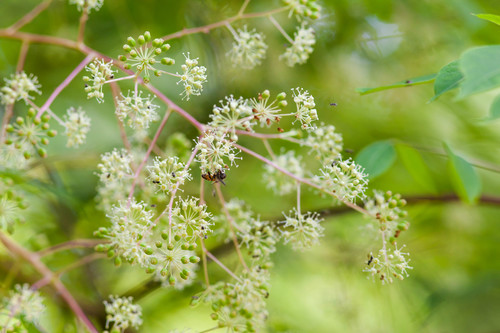
Aralia spinosa is a deciduous shrub or small tree known for its large, compound leaves and spiny stems. It is often found in woodland settings and is considered toxic to pets if ingested.
Potentially toxic for cats & dogs.
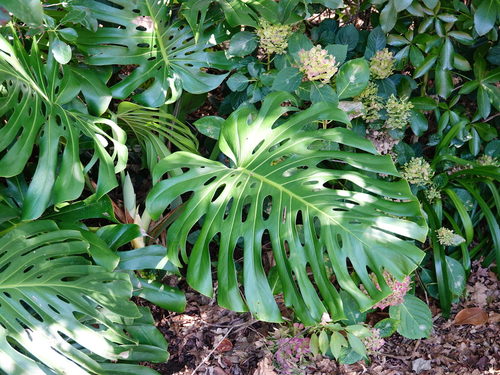
Monstera deliciosa is a popular tropical houseplant known for its large, fenestrated leaves and vining growth habit. It contains insoluble calcium oxalate crystals that can cause irritation if ingested by pets.
Potentially toxic for cats & dogs.
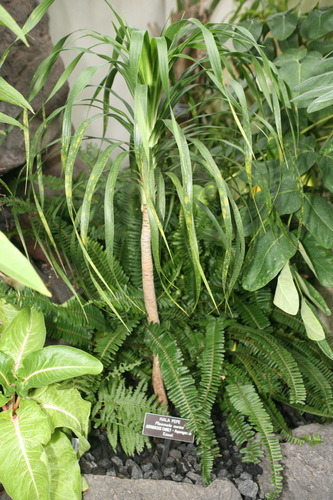
Dracaena trifasciata is a popular, hardy houseplant known for its stiff, sword-like leaves with striking yellow margins. It is widely appreciated for its air-purifying qualities and ability to thrive in various indoor conditions.
Potentially toxic for cats & dogs.
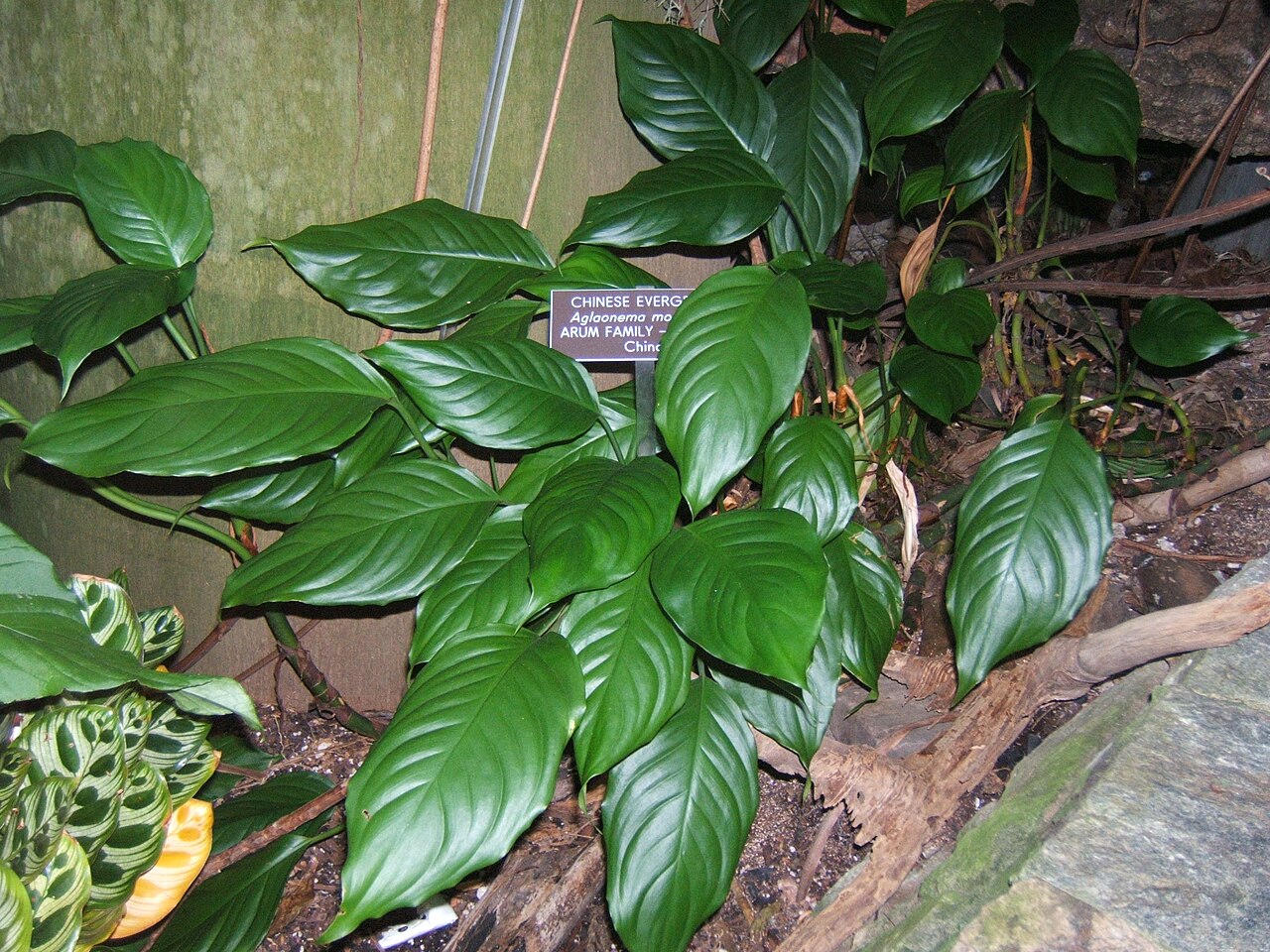
Chinese Evergreen is a popular indoor foliage plant known for its patterned leaves and tolerance of low light conditions. It contains insoluble calcium oxalate crystals that can cause irritation if ingested or chewed.
Potentially toxic for cats & dogs.