Dogs
Potentially toxicConsulted references classify the plant as toxic or irritating for that pet type.
Verified against ASPCA/provenance audit 2026-05-06 on May 6, 2026.

Begonia spp.
Begonias are popular ornamental plants known for their diverse foliage and vibrant flowers. They contain soluble calcium oxalates which can cause irritation if ingested by pets.
Safety status
Dogs
Potentially toxicConsulted references classify the plant as toxic or irritating for that pet type.
Verified against ASPCA/provenance audit 2026-05-06 on May 6, 2026.
Dogs — toxic. NC State Extension and ASPCA both flag begonia as a problem plant for dogs, with the underground tubers carrying the highest concentration of soluble calcium oxalates. Dogs are more likely than cats to dig and actually swallow tuber material, so the picture is often more severe than 'just chewed a leaf.'
Expect drooling, vomiting, and decreased appetite shortly after ingestion. Some dogs paw at the mouth from oral irritation. NC State also notes the sap can cause skin irritation, so watch for redness or scratching where leaves contacted the muzzle, paws, or belly.
Oral signs typically begin within minutes of chewing; vomiting usually within an hour or two. Recovery time is not well documented in the cited sources, but uncomplicated leaf-ingestion cases generally improve within 24 hours.
Call your vet right away if your dog dug up a tuber, is vomiting more than once, refuses food for more than a few hours, or develops swelling around the mouth. ASPCA Animal Poison Control: 888-426-4435.
Sources: NC State Extension, ASPCA (no first-aid guidance).
If a pet has chewed or swallowed plant material and is showing symptoms, contact a veterinarian or poison resource immediately. This product is for structured reference, not diagnosis.
Dogs — concern notes
Common signs
Drooling, vomiting, decreased appetite, and irritation of the mouth, tongue, and lips.
Escalation note
Ingestion of the plant, particularly the underground tubers, can cause significant oral discomfort. Consult your veterinarian if you suspect your dog has consumed this plant.
Safer alternatives
Some links earn us a small commission. They never affect our safety classifications.
NC State Extension Plant Toolbox
botanical · 94% reliability
Begonia is a large genus of perennial flowering plants in the family Begoniaceae.
Yes, begonias are toxic to dogs. They contain soluble calcium oxalates that cause irritation of the mouth, tongue, and lips, along with drooling, vomiting, and decreased appetite if ingested.
The underground tubers are the most dangerous part — ingestion of the tubers can cause significant oral discomfort beyond what a leaf nibble would. Keep dogs away from freshly dug or potted begonias where tubers are accessible.
Expect drooling, vomiting, and decreased appetite within minutes to a couple of hours of ingestion. Some dogs paw at the mouth from oral irritation. The sap can also cause skin redness or scratching if leaves contacted the muzzle, paws, or belly.
Rinse your dog's mouth with water to reduce oral irritation, then monitor closely. Call your vet right away if your dog dug up a tuber, vomits more than once, refuses food for more than a few hours, or develops swelling around the mouth. You can also reach the ASPCA Animal Poison Control Center at (888) 426-4435. Uncomplicated leaf-ingestion cases generally improve within 24 hours.
Same dog verdict
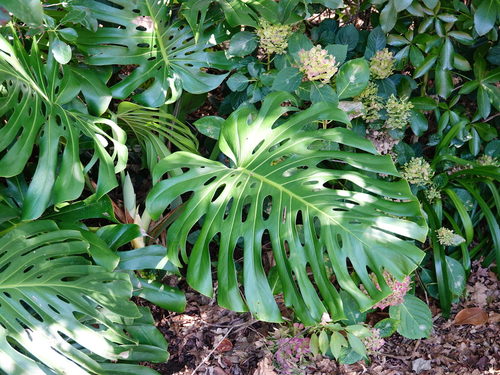
Monstera deliciosa is a popular tropical houseplant known for its large, fenestrated leaves and vining growth habit. It contains insoluble calcium oxalate crystals that can cause irritation if ingested by pets.
Potentially toxic for cats & dogs.

Dracaena trifasciata is a popular, hardy houseplant known for its stiff, sword-like leaves with striking yellow margins. It is widely appreciated for its air-purifying qualities and ability to thrive in various indoor conditions.
Potentially toxic for cats & dogs.
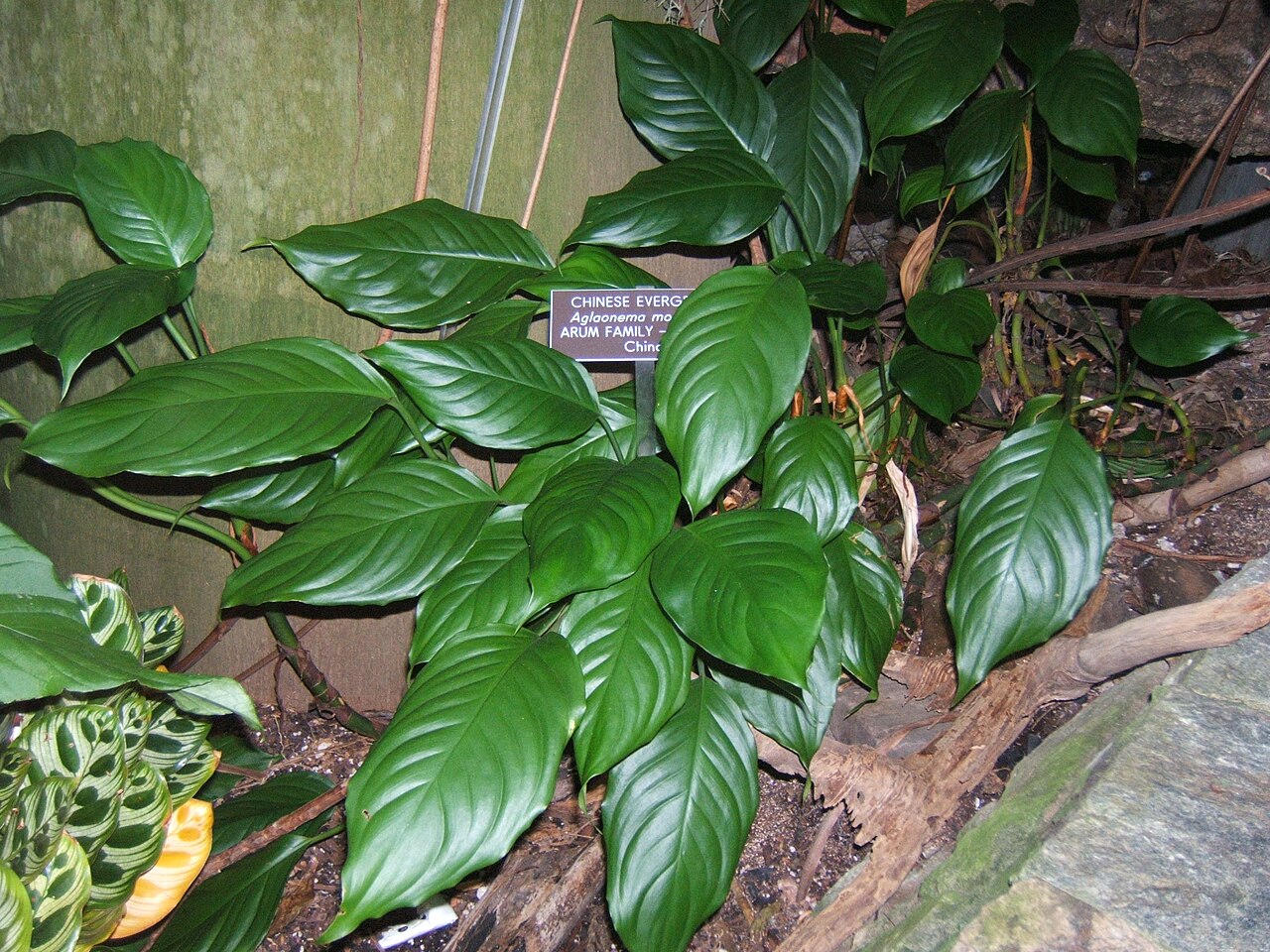
Chinese Evergreen is a popular indoor foliage plant known for its patterned leaves and tolerance of low light conditions. It contains insoluble calcium oxalate crystals that can cause irritation if ingested or chewed.
Potentially toxic for cats & dogs.