Cats
Potentially toxicConsulted references classify the plant as toxic or irritating for that pet type.
Verified against ASPCA/provenance audit 2026-05-06 on May 6, 2026.
Sources
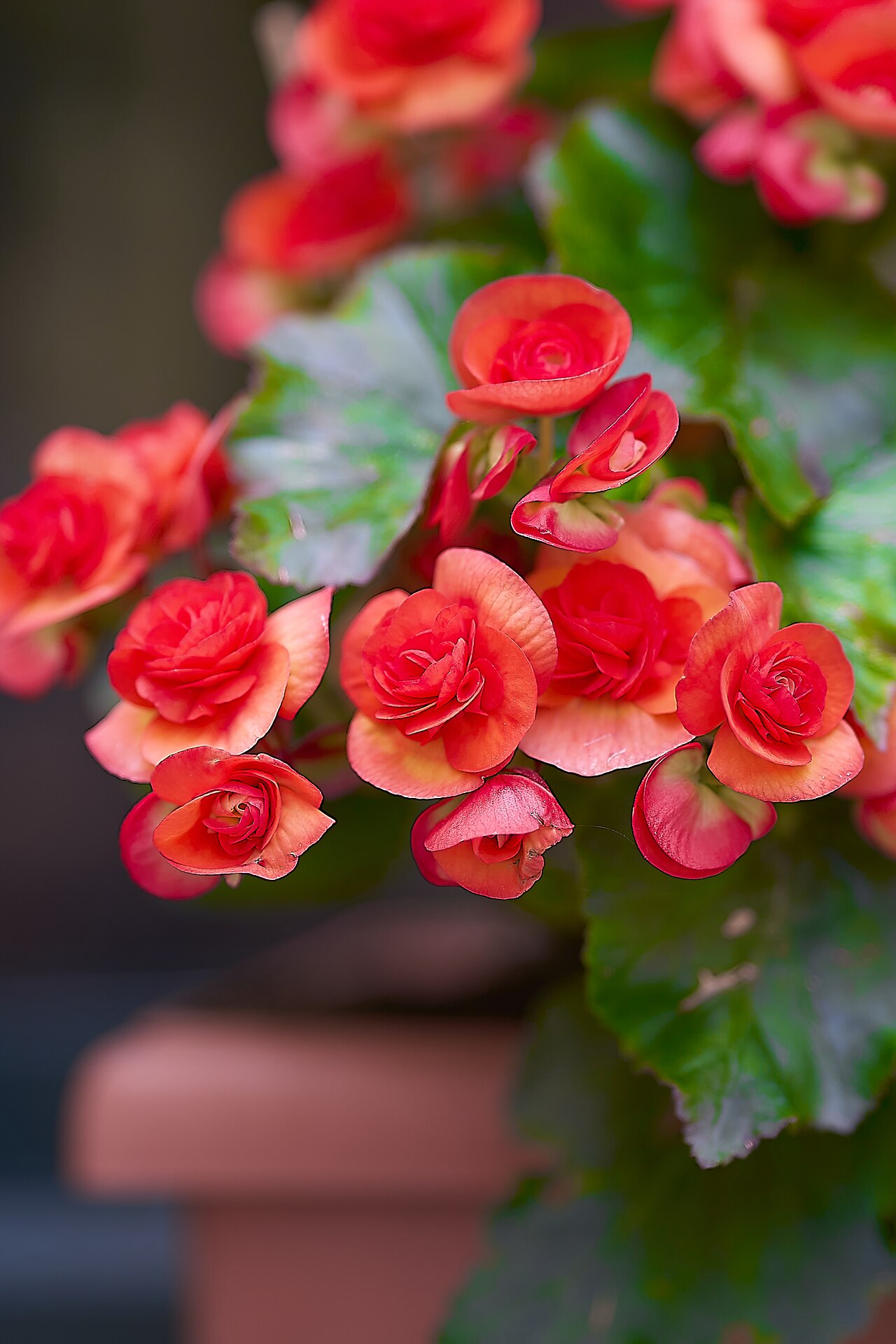
Begonia spp.
Begonias are popular ornamental plants known for their diverse foliage and vibrant flowers. They contain soluble calcium oxalates which can cause irritation if ingested by pets.
Safety status
Cats
Potentially toxicConsulted references classify the plant as toxic or irritating for that pet type.
Verified against ASPCA/provenance audit 2026-05-06 on May 6, 2026.
Sources
Cats — toxic. ASPCA classifies begonia as toxic to cats; the toxic principle is soluble calcium oxalates, concentrated most heavily in the underground tubers. A curious cat that bites a leaf usually walks away with mouth pain and drool, but a cat that digs and chews into the tuber can develop more serious oral and GI signs.
Most cats show salivation/drooling and vomiting within minutes to a few hours of chewing leaves or stems. Look for pawing at the mouth, head shaking, or refusing food — signs of oral irritation from the calcium oxalate crystals. Tuber ingestion can produce more pronounced GI upset.
Onset of oral irritation is typically immediate to within a few hours of chewing, since calcium oxalate crystals act on contact. ASPCA does not publish a recovery window for cats; uncomplicated cases generally settle within 24 hours but exact timing is not well documented.
Call your vet or ASPCA Animal Poison Control (888-426-4435) any time you see persistent drooling, repeated vomiting, swelling around the mouth, or refusal to eat — and call right away if you know the cat dug up and chewed a tuber.
Sources: ASPCA (no first-aid guidance).
If a pet has chewed or swallowed plant material and is showing symptoms, contact a veterinarian or poison resource immediately. This product is for structured reference, not diagnosis.
Cats — concern notes
Common signs
Excessive drooling, vomiting, difficulty swallowing, and oral irritation.
Escalation note
The tubers are the most toxic part of the plant. If your cat has ingested any part of a begonia, please contact your veterinarian or a pet poison control center immediately.
Safer alternatives
Some links earn us a small commission. They never affect our safety classifications.
ASPCA Toxic Plant List
toxicology · 99% reliability
Begonia species contain soluble calcium oxalates that are toxic to dogs and cats.
Yes, begonias are toxic to cats. They contain soluble calcium oxalates that cause oral irritation, excessive drooling, vomiting, and difficulty swallowing. The tubers are the most toxic part of the plant.
Expect salivation, drooling, and vomiting within minutes to a few hours of chewing. You may also see your cat pawing at its mouth, shaking its head, or refusing food — all signs of oral irritation from calcium oxalate crystals. Tuber ingestion can cause more pronounced GI upset.
Contact your veterinarian or ASPCA Animal Poison Control at (888) 426-4435, especially if you suspect the cat chewed a tuber. Call right away if you see persistent drooling, repeated vomiting, swelling around the mouth, or refusal to eat. Uncomplicated cases involving leaves or stems generally resolve within 24 hours, but tuber ingestion warrants immediate attention.
The tubers (the underground root-like structures) are the most toxic part of the begonia. Chewing leaves or stems typically causes immediate oral irritation from calcium oxalate crystals, but ingesting a tuber can produce significantly more pronounced gastrointestinal symptoms.
Same cat verdict
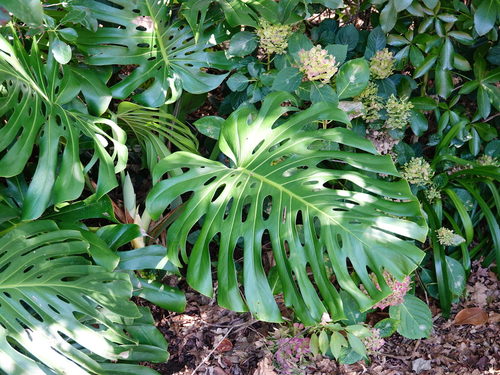
Monstera deliciosa is a popular tropical houseplant known for its large, fenestrated leaves and vining growth habit. It contains insoluble calcium oxalate crystals that can cause irritation if ingested by pets.
Potentially toxic for cats & dogs.
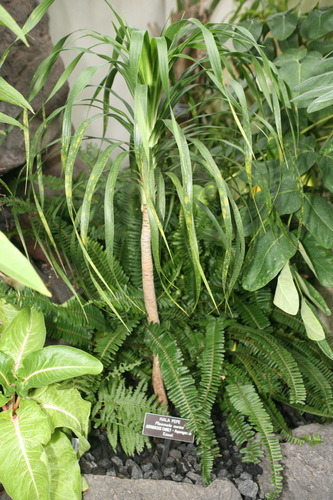
Dracaena trifasciata is a popular, hardy houseplant known for its stiff, sword-like leaves with striking yellow margins. It is widely appreciated for its air-purifying qualities and ability to thrive in various indoor conditions.
Potentially toxic for cats & dogs.
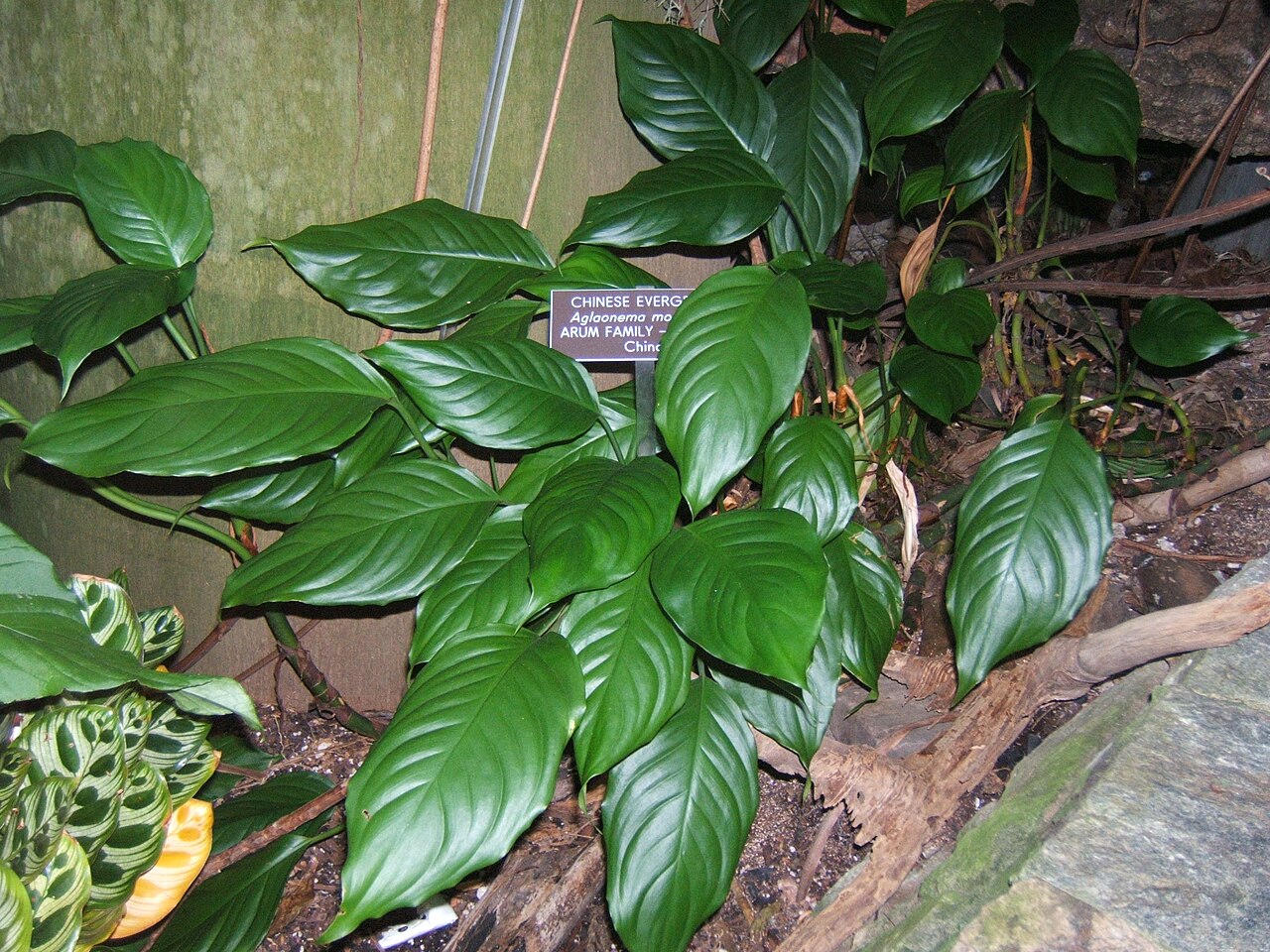
Chinese Evergreen is a popular indoor foliage plant known for its patterned leaves and tolerance of low light conditions. It contains insoluble calcium oxalate crystals that can cause irritation if ingested or chewed.
Potentially toxic for cats & dogs.