Cats
Potentially toxicConsulted references classify the plant as toxic or irritating for that pet type.
Verified against ASPCA/provenance audit 2026-05-06 on May 6, 2026.
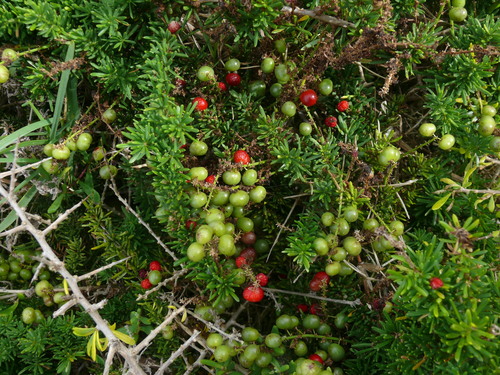
Asparagus densiflorus
The Asparagus Fern is a popular, feathery houseplant that is actually a member of the lily family. Despite its delicate appearance, it contains toxic compounds that can cause irritation if ingested by pets.
Safety status
Cats
Potentially toxicConsulted references classify the plant as toxic or irritating for that pet type.
Verified against ASPCA/provenance audit 2026-05-06 on May 6, 2026.
Cats are typically drawn to asparagus fern's wispy, cat-toy-like foliage, but the real hazard is the small red berries that appear after flowering. Both the foliage and the berries contain sapogenins; ingestion produces a self-limiting GI upset rather than anything systemic, and repeated brushing against the plant can leave a cat with itchy, irritated skin.
Watch for vomiting, soft stools or diarrhea, and abdominal discomfort (a hunched posture, reluctance to be touched on the belly) within a few hours of chewing. Cats that rub against the plant frequently can develop allergic dermatitis — patchy redness, itching, or hair loss on areas that contact the leaves.
GI signs typically begin within a few hours of ingestion and resolve within 24 hours. The ASPCA characterizes asparagus fern as causing mild GI upset that is not expected to be life-threatening.
Call your vet if vomiting or diarrhea persists past 12–24 hours, if your cat refuses food or water, if you notice blood in vomit or stool, or if a small kitten ate any quantity of berries. For mild, single-episode GI upset in an otherwise healthy adult cat, monitoring at home is usually sufficient — but call the ASPCA (888-426-4435) if you're unsure.
Sources: ASPCA (no first-aid guidance).
If a pet has chewed or swallowed plant material and is showing symptoms, contact a veterinarian or poison resource immediately. This product is for structured reference, not diagnosis.
Cats — concern notes
Common signs
Vomiting, diarrhea, and abdominal pain.
Escalation note
Ingestion of the berries or foliage can cause gastrointestinal upset and skin irritation upon contact. Please contact your veterinarian if your cat has ingested any part of this plant.
Safer alternatives
Some links earn us a small commission. They never affect our safety classifications.
Yes, asparagus fern (Asparagus densiflorus) is toxic to cats. Ingestion of the berries or foliage can cause vomiting, diarrhea, and abdominal pain, and repeated skin contact with the leaves can trigger allergic dermatitis.
GI signs — vomiting, soft stools or diarrhea, and belly discomfort — typically begin within a few hours and resolve within 24 hours. The ASPCA considers the toxicity mild and not expected to be life-threatening, but the berries are more concerning than the foliage, so note what part your cat chewed.
Monitor your cat closely for vomiting, diarrhea, and signs of abdominal pain such as a hunched posture or reluctance to be touched on the belly. Call your vet if symptoms persist past 12–24 hours, if your cat stops eating or drinking, or if you see blood in the vomit or stool. For any doubt, call the ASPCA Animal Poison Control Center at (888) 426-4435.
Yes — cats that rub against the plant regularly can develop allergic dermatitis, showing patchy redness, itching, or hair loss on areas that contact the feathery leaves. This is a contact reaction separate from the GI symptoms caused by ingestion.
Same cat verdict
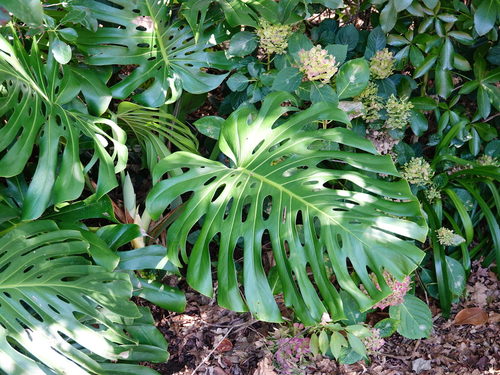
Monstera deliciosa is a popular tropical houseplant known for its large, fenestrated leaves and vining growth habit. It contains insoluble calcium oxalate crystals that can cause irritation if ingested by pets.
Potentially toxic for cats & dogs.
Dracaena trifasciata is a popular, hardy houseplant known for its stiff, sword-like leaves with striking yellow margins. It is widely appreciated for its air-purifying qualities and ability to thrive in various indoor conditions.
Potentially toxic for cats & dogs.
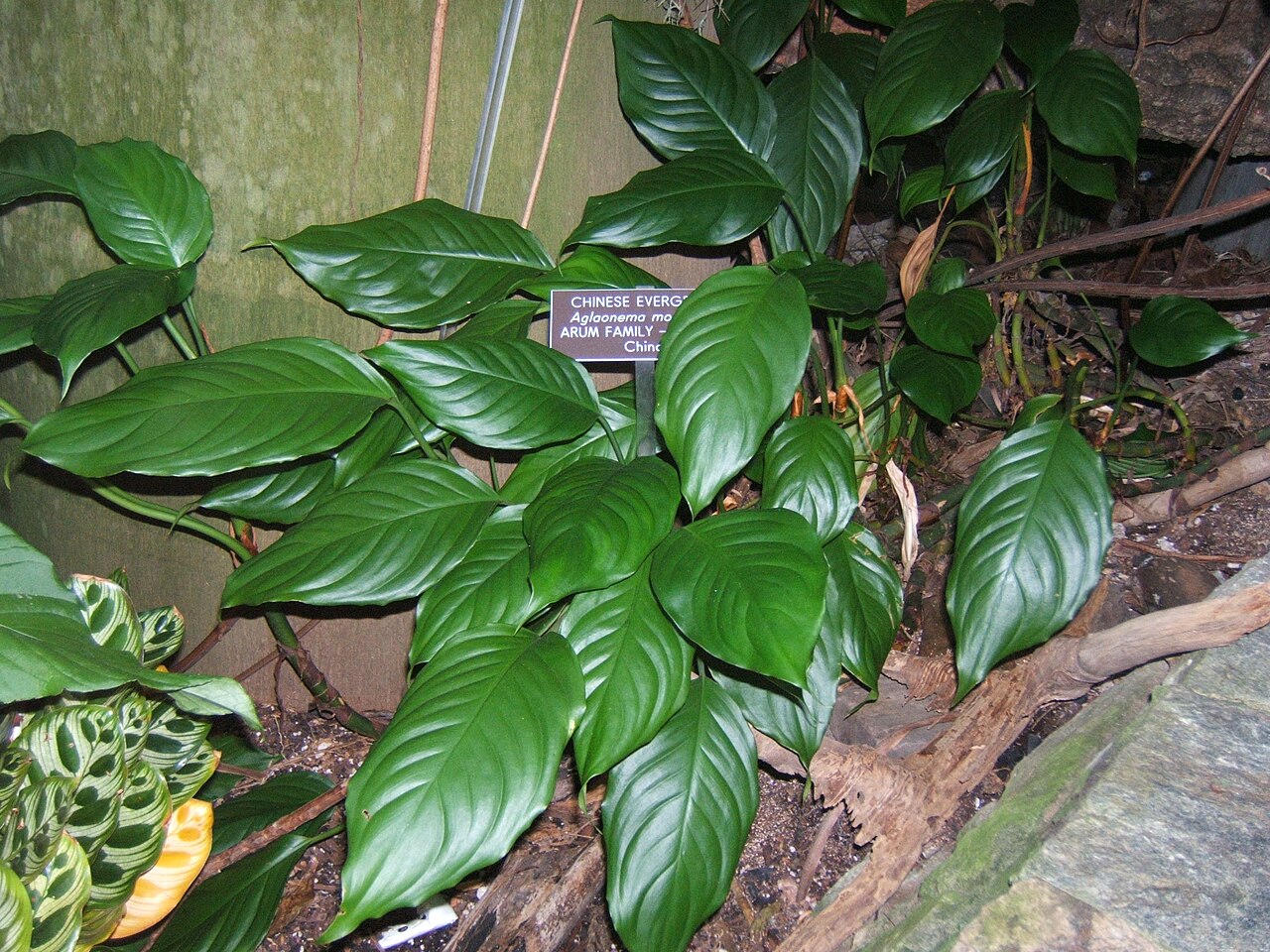
Chinese Evergreen is a popular indoor foliage plant known for its patterned leaves and tolerance of low light conditions. It contains insoluble calcium oxalate crystals that can cause irritation if ingested or chewed.
Potentially toxic for cats & dogs.
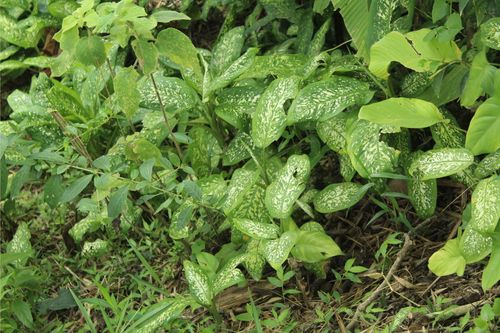
Dieffenbachia is a popular tropical houseplant known for its large, variegated leaves. It contains insoluble calcium oxalate crystals that can cause irritation if ingested or chewed.
Potentially toxic for cats & dogs.