Cats
Potentially toxicConsulted references classify the plant as toxic or irritating for that pet type.
Verified against ASPCA/provenance audit 2026-05-06 on May 6, 2026.
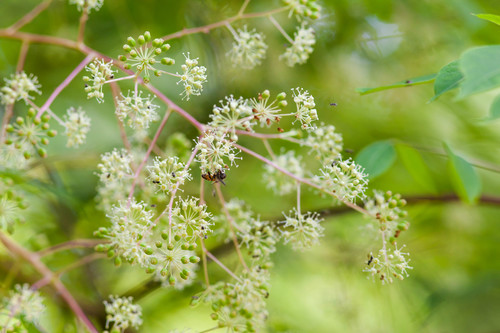
Aralia spinosa
Aralia spinosa is a deciduous shrub or small tree known for its large, compound leaves and spiny stems. It is often found in woodland settings and is considered toxic to pets if ingested.
Safety status
Cats
Potentially toxicConsulted references classify the plant as toxic or irritating for that pet type.
Verified against ASPCA/provenance audit 2026-05-06 on May 6, 2026.
Devil's walking stick is rated as low-toxicity for cats — chewing the bark or eating the unripe berries usually causes only mild stomach upset. The plant's stout spines and skin-irritating bark are at least as much of a hazard as the toxin itself.
Drooling, vomiting, and diarrhea after a cat chews on bark, roots, or unripe fruit. Brief skin or oral irritation is also possible from contact with the bark or sap, but tends to fade within minutes.
Skin or oral irritation tends to be brief, lasting only minutes per the cited source. Onset and duration of GI signs aren't well documented.
Call your veterinarian if vomiting persists more than a few hours, your cat won't eat, or you see deep puncture wounds from the plant's thorns. ASPCA does not list this species; reach ASPCA Poison Control (888-426-4435) for case-specific guidance.
Sources: NC State Extension Plant Toolbox (no first-aid guidance).
If a pet has chewed or swallowed plant material and is showing symptoms, contact a veterinarian or poison resource immediately. This product is for structured reference, not diagnosis.
Cats — concern notes
Common signs
Oral irritation, excessive drooling, vomiting, and difficulty swallowing.
Escalation note
Ingestion can cause significant gastrointestinal distress. Please contact your veterinarian or an animal poison control center immediately if you suspect your cat has consumed any part of this plant.
Safer alternatives
No hand-picked alternatives for this plant yet. You can still pick your own using the Compare button on any other plant.
NC State Extension Plant Toolbox
botanical · 94% reliability
Aralia spinosa is a native North American shrub characterized by its thorny stems and large, bipinnately compound leaves.
Yes, Devil's Walking Stick (Aralia spinosa) is considered toxic to cats. Ingestion can cause oral irritation, excessive drooling, vomiting, and difficulty swallowing, and the plant's spiny stems pose an additional physical hazard.
Watch for drooling, vomiting, and difficulty swallowing — the most commonly reported signs. Chewing on bark, roots, or unripe fruit can also trigger gastrointestinal distress, while contact with the bark or sap may cause brief oral or skin irritation that typically fades within minutes.
Remove your cat from the plant and rinse their mouth with water if they'll allow it. Call your veterinarian right away, or contact ASPCA Animal Poison Control at (888) 426-4435 for case-specific guidance — Aralia spinosa is not currently listed in the ASPCA database, so a poison control specialist can help assess the risk.
Yes — beyond the toxicity from ingestion, the plant's prominent spines can cause puncture wounds. Call your vet if you notice deep wounds from the thorns in addition to any signs of ingestion like drooling or vomiting.
Same cat verdict
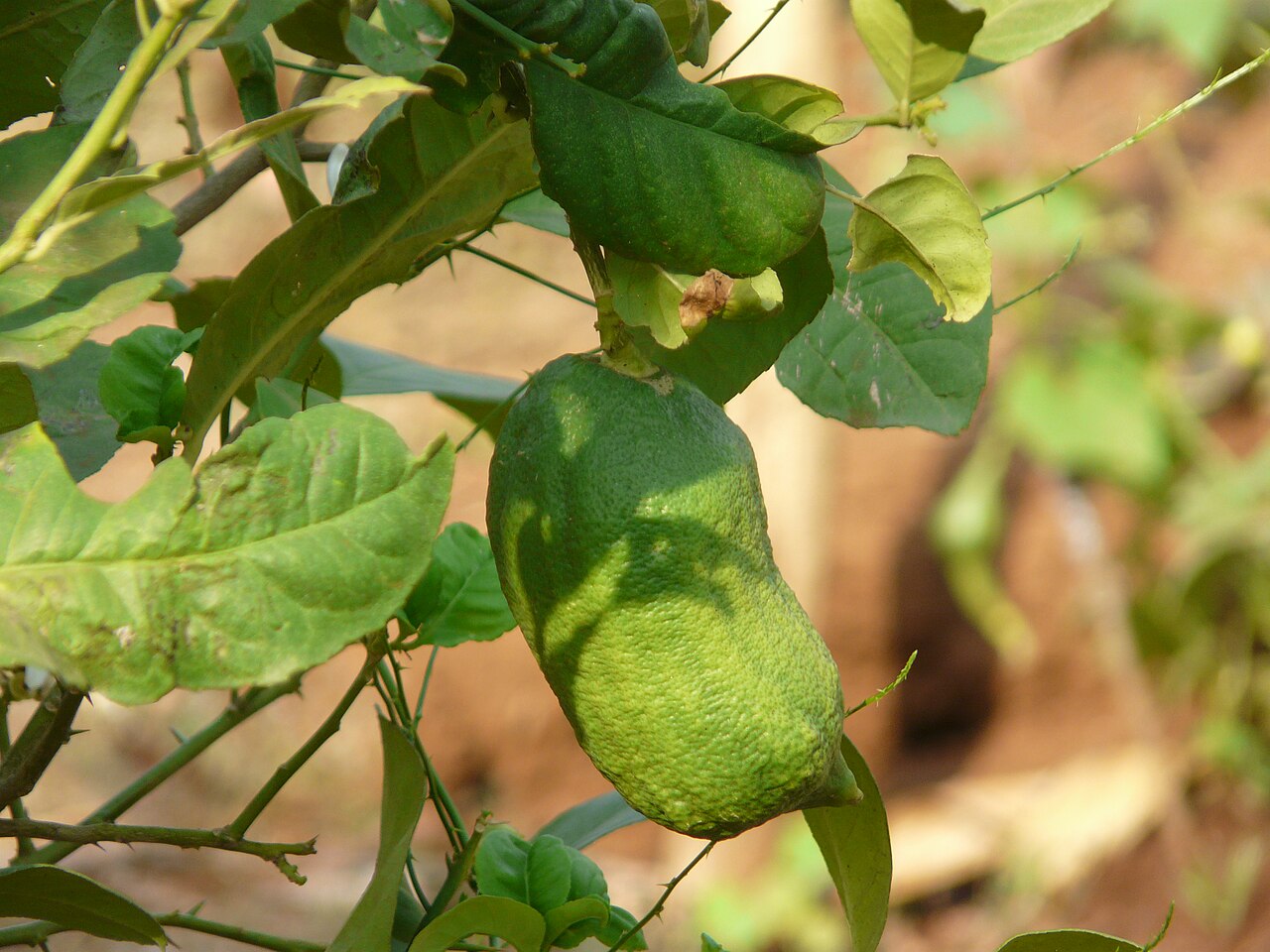
The lemon tree is a popular citrus plant known for its fragrant blossoms and acidic fruit. While often grown for culinary use, all parts of the plant contain essential oils and psoralens that can cause adverse reactions in pets.
Potentially toxic for cats & dogs.

Monstera deliciosa is a popular tropical houseplant known for its large, fenestrated leaves and vining growth habit. It contains insoluble calcium oxalate crystals that can cause irritation if ingested by pets.
Potentially toxic for cats & dogs.

Dracaena trifasciata is a popular, hardy houseplant known for its stiff, sword-like leaves with striking yellow margins. It is widely appreciated for its air-purifying qualities and ability to thrive in various indoor conditions.
Potentially toxic for cats & dogs.
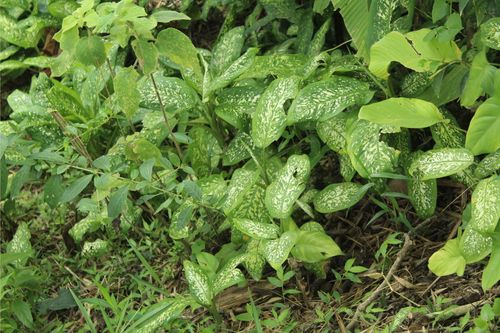
Dieffenbachia is a popular tropical houseplant known for its large, variegated leaves. It contains insoluble calcium oxalate crystals that can cause irritation if ingested or chewed.
Potentially toxic for cats & dogs.