Cats
Potentially toxicConsulted references classify the plant as toxic or irritating for that pet type.
Verified against ASPCA/provenance audit 2026-05-06 on May 6, 2026.
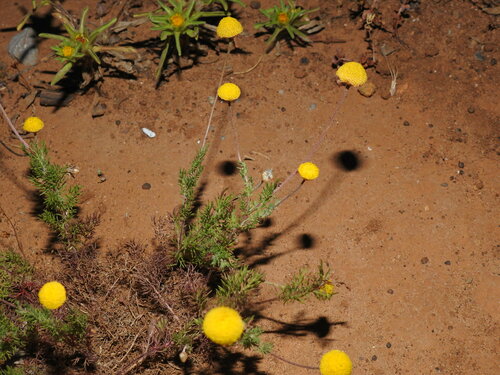
Anthemis nobilis
Chamomile is a flowering plant in the daisy family often used in herbal teas and essential oils. While popular for human use, it contains compounds that can cause adverse reactions in pets if ingested.
Safety status
Cats
Potentially toxicConsulted references classify the plant as toxic or irritating for that pet type.
Verified against ASPCA/provenance audit 2026-05-06 on May 6, 2026.
Cats can react to chamomile, even though it is famous as a soothing herb in human cups of tea. ASPCA lists Anthemis nobilis as toxic to cats, with effects ranging from contact dermatitis on the skin to vomiting and diarrhea after ingestion. Cats are usually more sensitive than dogs to its essential-oil compounds.
Most-common to least: vomiting, diarrhea, and loss of appetite after ingestion; drooling or pawing at the mouth from oral irritation; itchy skin, redness, or rash from contact (allergic dermatitis). With chronic or repeated exposure, ASPCA notes long-term use can lead to bleeding tendencies, which can show up as bruising, nosebleeds, or blood in stool.
GI signs typically appear within hours of ingestion and resolve in 24 hours or so with supportive care. Skin/contact reactions can be immediate or take several hours to appear. Bleeding-tendency effects are tied to long-term, repeated exposure rather than a single nibble.
Call your vet if vomiting or diarrhea is more than a single mild episode, if your cat is refusing food for more than a meal or two, if you see facial swelling or a worsening rash, or if there is any sign of unusual bleeding or bruising. Concentrated chamomile essential oils or tinctures are higher risk than plant material — call right away if your cat licked or was dosed with one.
Sources: ASPCA (no first-aid guidance).
If a pet has chewed or swallowed plant material and is showing symptoms, contact a veterinarian or poison resource immediately. This product is for structured reference, not diagnosis.
Cats — concern notes
Common signs
Vomiting, diarrhea, anorexia, and potential allergic skin reactions upon contact.
Escalation note
Ingestion can lead to gastrointestinal distress. If your cat has consumed this plant, please contact your veterinarian or a pet poison control center immediately.
Safer alternatives
No hand-picked alternatives for this plant yet. You can still pick your own using the Compare button on any other plant.
Kew Plants of the World Online
botanical · 95% reliability
Accepted botanical nomenclature for Chamaemelum nobile (syn. Anthemis nobilis).
Yes, chamomile (Anthemis nobilis) is considered potentially toxic to cats. It contains compounds that can cause vomiting, diarrhea, anorexia, and allergic skin reactions on contact. Concentrated forms like essential oils or tinctures carry higher risk than the plant itself.
The most common signs are vomiting, diarrhea, and loss of appetite, typically appearing within hours of ingestion. You may also see drooling, pawing at the mouth, or an itchy rash if your cat had skin contact with the plant. With repeated long-term exposure, ASPCA notes a risk of bleeding tendencies such as bruising, nosebleeds, or blood in the stool.
Contact your veterinarian or the ASPCA Animal Poison Control Center at (888) 426-4435 right away, especially if your cat ingested a concentrated form like an essential oil or tincture. GI symptoms typically resolve within about 24 hours with supportive care, but call your vet immediately if vomiting or diarrhea is more than a single mild episode, your cat refuses food for more than a meal or two, or you see facial swelling, worsening rash, or any signs of unusual bleeding or bruising.
GI signs like vomiting and diarrhea typically appear within hours of ingestion. Skin and contact reactions can show up immediately or take several hours. Bleeding-tendency effects are associated with long-term, repeated exposure rather than a single incident, so a one-time nibble carries a different risk profile than chronic access to the plant.
Same cat verdict
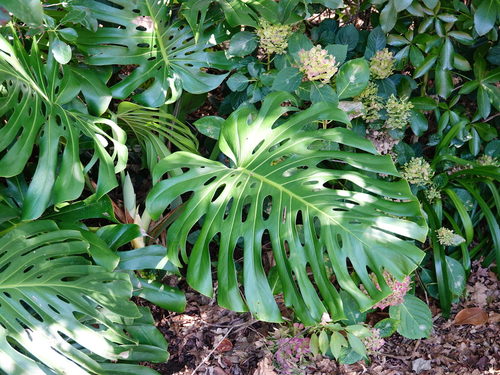
Monstera deliciosa is a popular tropical houseplant known for its large, fenestrated leaves and vining growth habit. It contains insoluble calcium oxalate crystals that can cause irritation if ingested by pets.
Potentially toxic for cats & dogs.
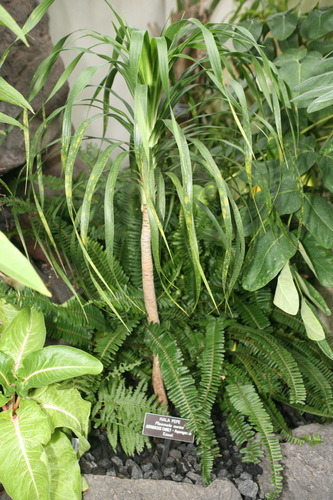
Dracaena trifasciata is a popular, hardy houseplant known for its stiff, sword-like leaves with striking yellow margins. It is widely appreciated for its air-purifying qualities and ability to thrive in various indoor conditions.
Potentially toxic for cats & dogs.
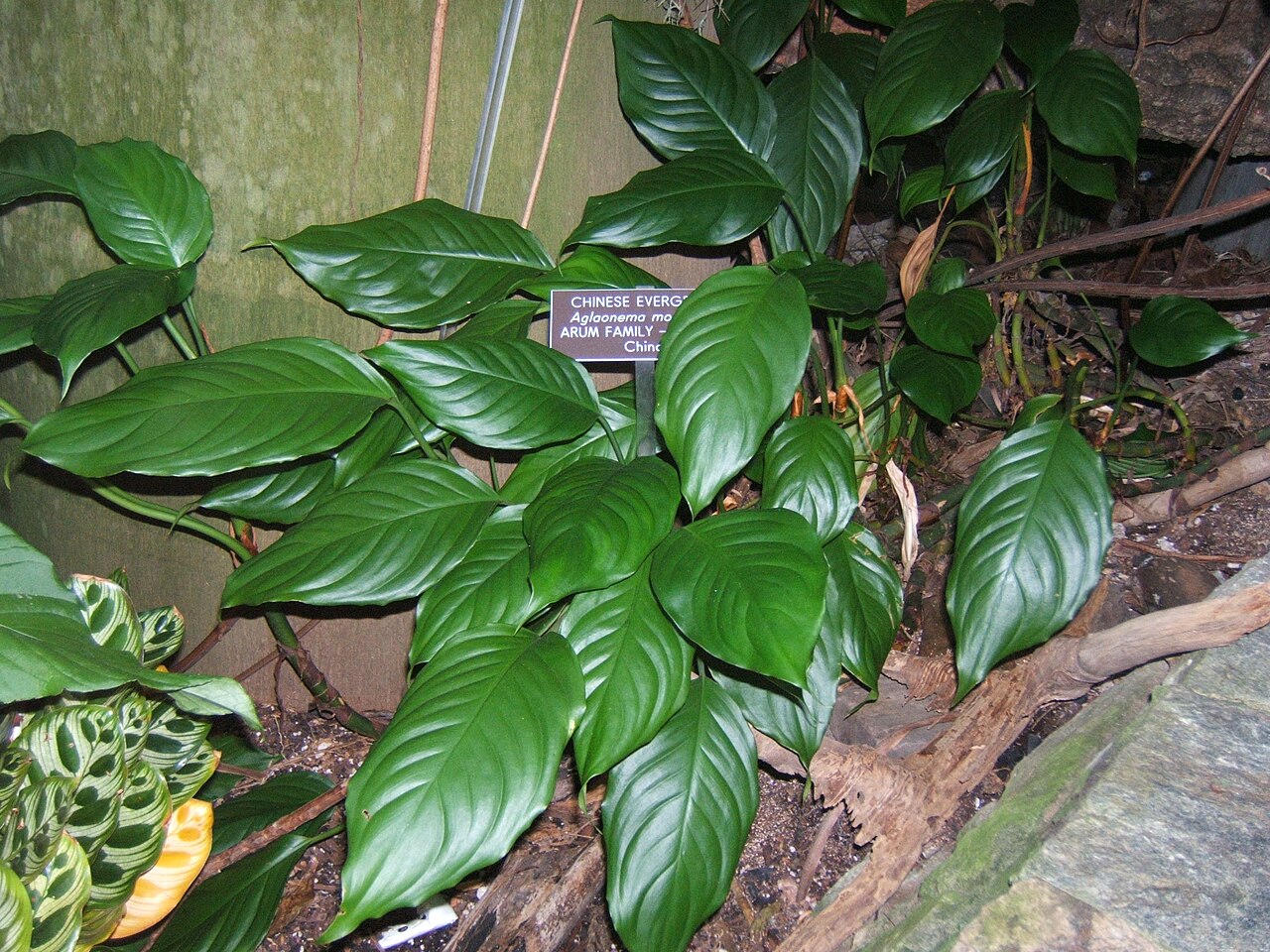
Chinese Evergreen is a popular indoor foliage plant known for its patterned leaves and tolerance of low light conditions. It contains insoluble calcium oxalate crystals that can cause irritation if ingested or chewed.
Potentially toxic for cats & dogs.
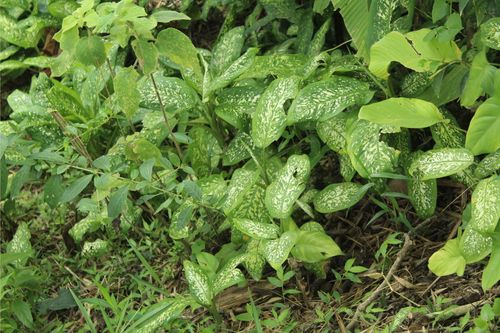
Dieffenbachia is a popular tropical houseplant known for its large, variegated leaves. It contains insoluble calcium oxalate crystals that can cause irritation if ingested or chewed.
Potentially toxic for cats & dogs.