Dogs
Potentially toxicConsulted references classify the plant as toxic or irritating for that pet type.
Verified against ASPCA/provenance audit 2026-05-06 on May 6, 2026.
Sources
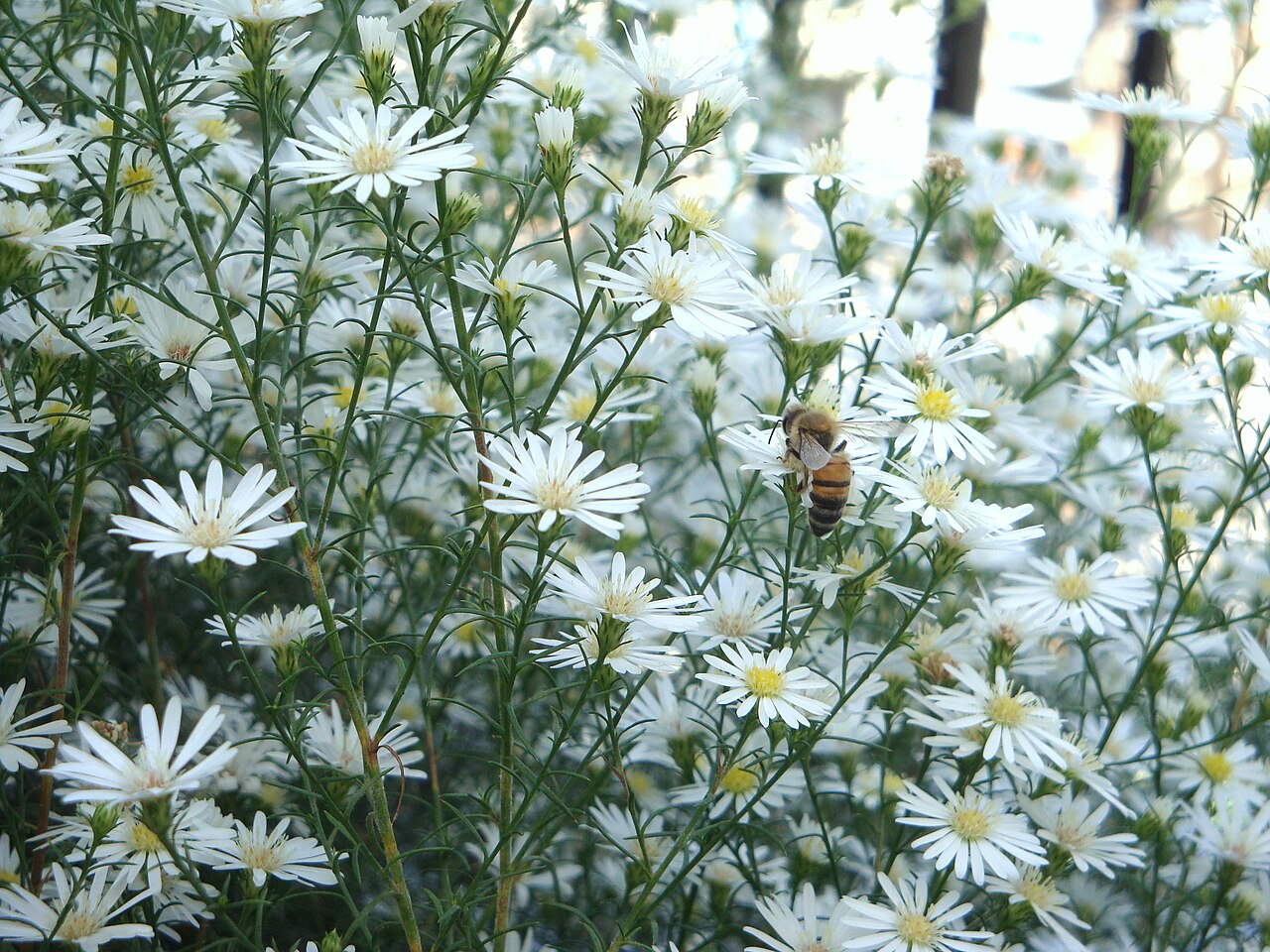
Anthemis cotula
Mayweed is a flowering herbaceous plant in the daisy family known for its strong scent and daisy-like blooms. It is considered toxic to pets due to the presence of compounds that can cause irritation upon contact or ingestion.
Safety status
Dogs
Potentially toxicConsulted references classify the plant as toxic or irritating for that pet type.
Verified against ASPCA/provenance audit 2026-05-06 on May 6, 2026.
Sources
Dogs should stay away from mayweed (also called stinking chamomile or poison daisy). The ASPCA classifies it as toxic to dogs because of volatile oils — bisabolol, chamazulene, anthemic acid, and tannic acid — that irritate skin and the GI tract on contact or ingestion.
Most common: contact dermatitis (red, itchy skin where the dog brushed the plant), vomiting, and diarrhea. Less common but worth noting: anorexia, allergic reactions, and — with chronic exposure — bleeding tendencies. Severity is usually mild-to-moderate from a one-time encounter.
ASPCA does not give a specific onset/duration. Contact dermatitis typically appears within hours of exposure; GI signs from ingestion usually show up the same day. Exact timing not well documented for this plant.
Call your vet or the ASPCA Animal Poison Control Center (888-426-4435) if your dog has eaten more than a nibble, is vomiting repeatedly, has visible skin irritation that isn't improving, or stops eating. Routine brush-by contact with mild itching can usually be managed at home, but escalate if symptoms worsen.
Sources: ASPCA (no first-aid guidance).
If a pet has chewed or swallowed plant material and is showing symptoms, contact a veterinarian or poison resource immediately. This product is for structured reference, not diagnosis.
Dogs — concern notes
Common signs
Skin redness, blistering, oral irritation, and digestive distress.
Escalation note
The plant contains volatile oils that can irritate the skin and mucous membranes. Consult a veterinarian if your dog shows signs of discomfort or persistent vomiting.
Safer alternatives
No hand-picked alternatives for this plant yet. You can still pick your own using the Compare button on any other plant.
ASPCA Toxic Plant List
toxicology · 99% reliability
Mayweed is listed as toxic to both cats and dogs by the ASPCA.
Yes, mayweed (Anthemis cotula) is considered toxic to dogs. The plant contains volatile oils that can irritate the skin, mucous membranes, and digestive tract upon contact or ingestion.
The most common reactions are contact dermatitis — red, itchy skin where your dog brushed against the plant — along with vomiting and diarrhea from ingestion. Less commonly, dogs may show anorexia or allergic reactions. Severity is usually mild to moderate from a single encounter, though chronic exposure may increase risk.
If your dog ate more than a nibble, is vomiting repeatedly, has skin irritation that isn't improving, or has stopped eating, call your vet or the ASPCA Animal Poison Control Center at (888) 426-4435. Mild, brief contact with minor itching can often be monitored at home, but escalate if symptoms worsen.
Contact dermatitis from skin exposure typically appears within hours of contact; gastrointestinal signs from ingestion generally show up the same day. The ASPCA does not document a precise onset window for this plant, so monitor your dog closely for the full 24 hours after any exposure.
Same dog verdict
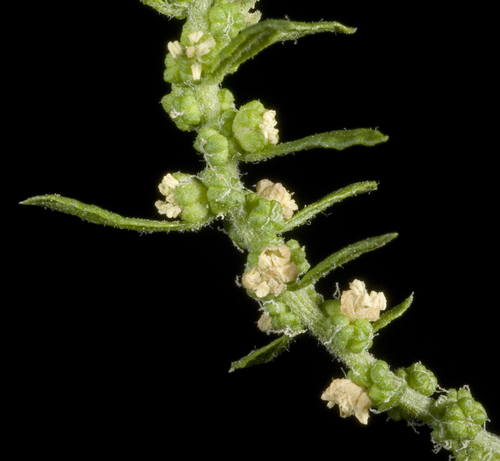
Epazote is an aromatic herb often used in culinary applications, but it contains essential oils that can be harmful to pets if ingested in significant quantities. It is best kept out of reach of curious cats and dogs.
Potentially toxic for cats & dogs.
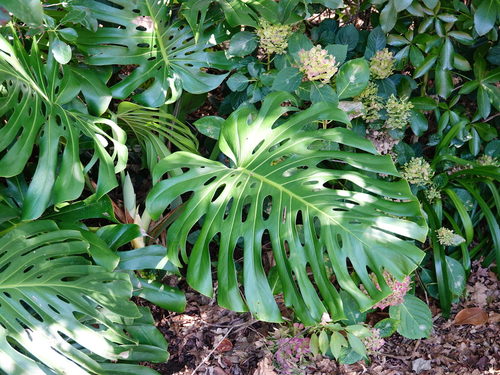
Monstera deliciosa is a popular tropical houseplant known for its large, fenestrated leaves and vining growth habit. It contains insoluble calcium oxalate crystals that can cause irritation if ingested by pets.
Potentially toxic for cats & dogs.
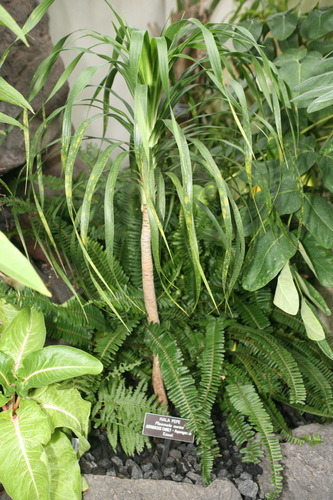
Dracaena trifasciata is a popular, hardy houseplant known for its stiff, sword-like leaves with striking yellow margins. It is widely appreciated for its air-purifying qualities and ability to thrive in various indoor conditions.
Potentially toxic for cats & dogs.
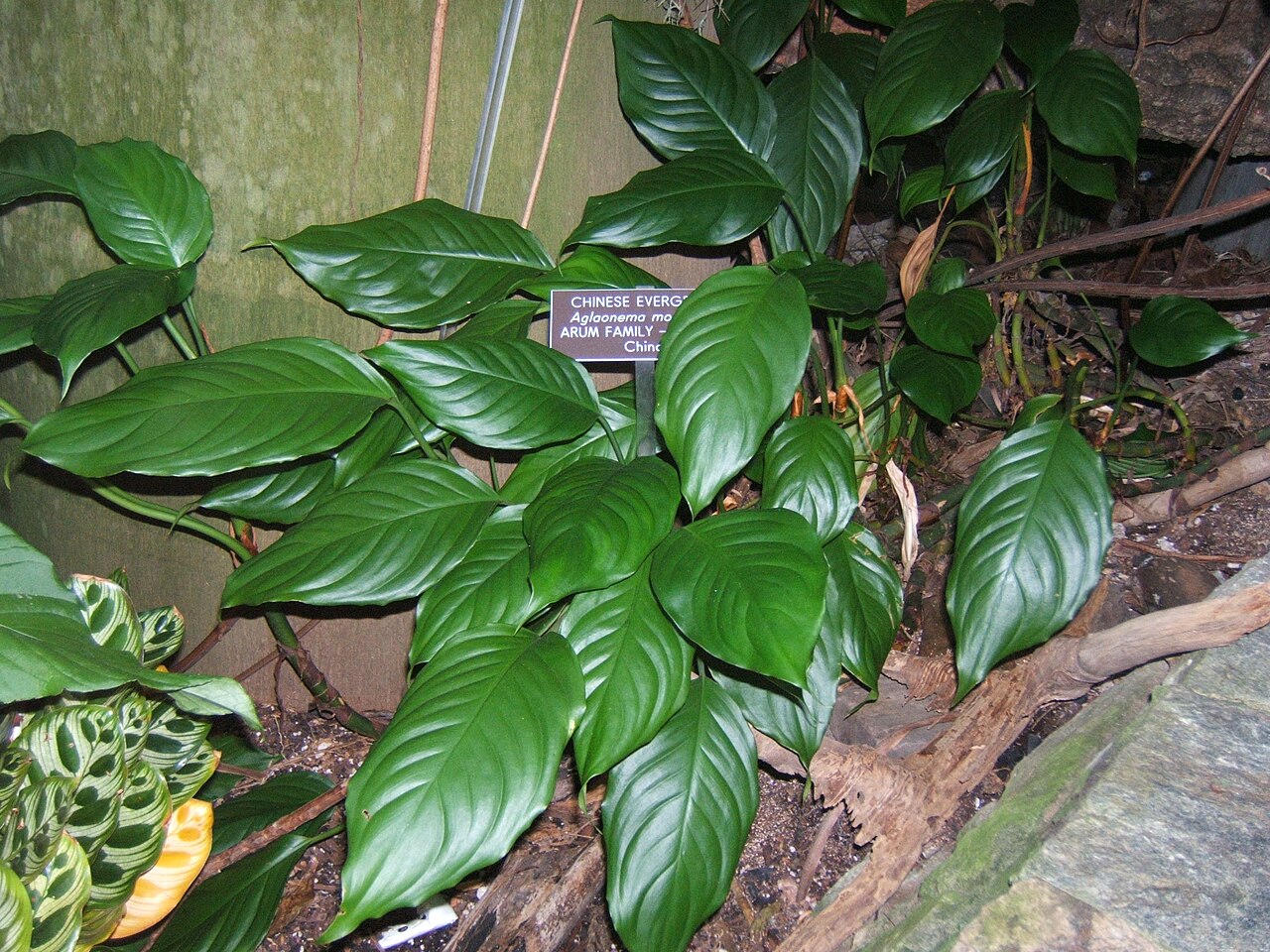
Chinese Evergreen is a popular indoor foliage plant known for its patterned leaves and tolerance of low light conditions. It contains insoluble calcium oxalate crystals that can cause irritation if ingested or chewed.
Potentially toxic for cats & dogs.