Dogs
Potentially toxicConsulted references classify the plant as toxic or irritating for that pet type.
Verified against ASPCA/provenance audit 2026-05-06 on May 6, 2026.
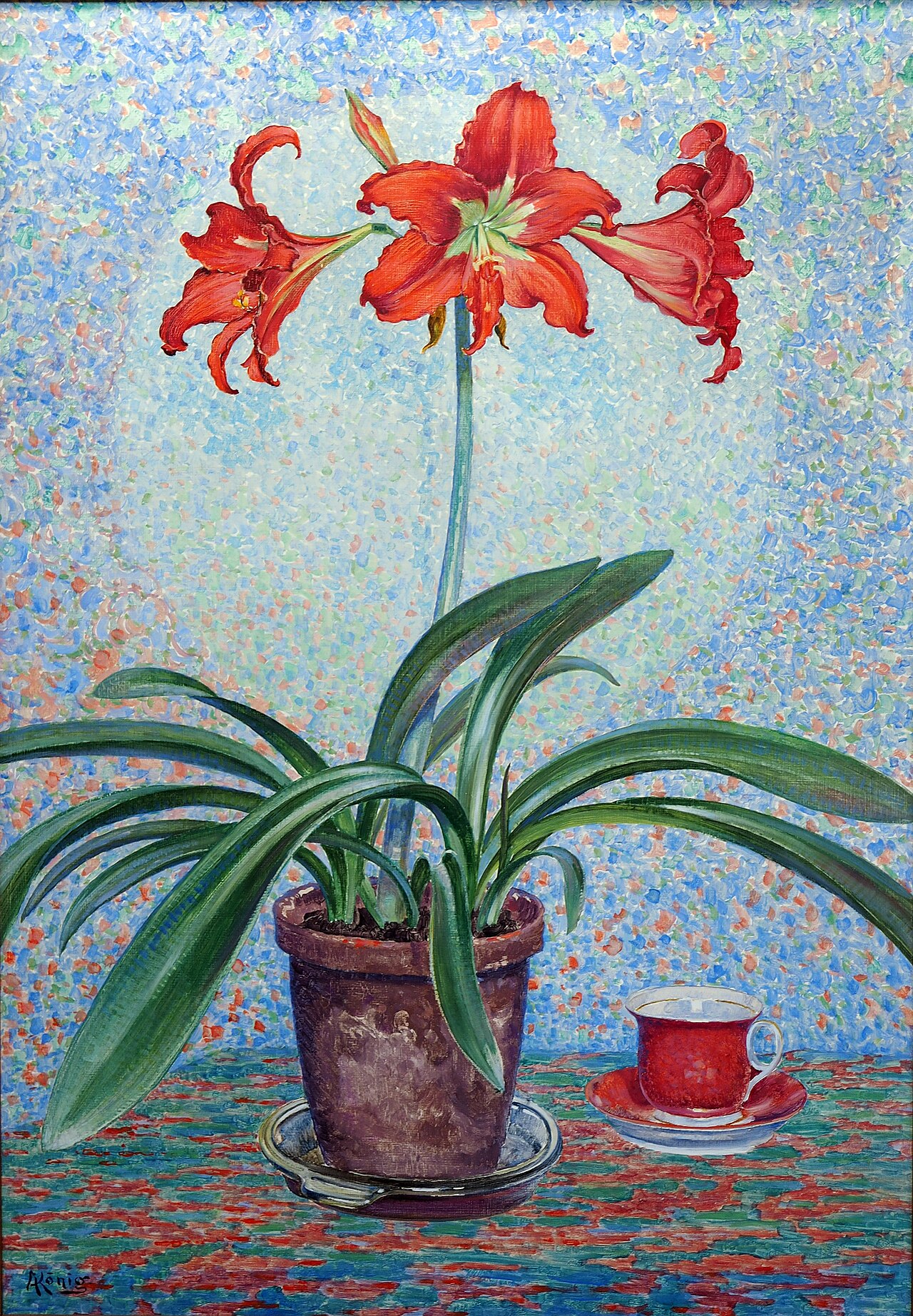
Amaryllis spp.
Also known as Hippeastrum spp.
Amaryllis is a popular bulbous plant known for its large, trumpet-shaped flowers, but it contains compounds that are harmful if ingested by pets. It is best kept out of reach of curious animals to prevent accidental exposure.
Safety status
Dogs
Potentially toxicConsulted references classify the plant as toxic or irritating for that pet type.
Verified against ASPCA/provenance audit 2026-05-06 on May 6, 2026.
Amaryllis is toxic to dogs, and the bulb is the dangerous part. The leaves, stems, and flowers contain lycorine and other phenanthridine alkaloids, but the alkaloids and oxalate crystals are concentrated in the bulb — a dog that digs one up and chews it can show much more serious signs than one who just nibbles a leaf or flower.
From leaves and flowers (most common): drooling, vomiting, and diarrhea, often with abdominal pain and loss of appetite. From a chewed bulb (more serious): weakness, low blood pressure, muscle tremors, and in severe cases seizures.
Signs can develop anywhere from a few minutes up to 24 hours after ingestion. With supportive care, leaf and flower exposures typically resolve in 24–48 hours; bulb ingestions may take longer and need more aggressive treatment.
Call your vet, ASPCA Animal Poison Control at (888) 426-4435, or Pet Poison Helpline at (855) 764-7661 immediately if your dog has gotten into a bulb or eaten a large amount of leaves. For small leaf or flower chews, call if drooling and vomiting don't ease within an hour or two, or if your dog seems wobbly, weak, or in pain.
Move your dog away from the plant and pick up any pieces — especially bulb fragments. Wipe out the mouth with a damp cloth if you see plant material there. Do not induce vomiting at home. Call your vet or a poison control line before giving anything by mouth, and bring a sample of what was chewed with you if you can.
Sources: ASPCA, Pet Poison Helpline.
If a pet has chewed or swallowed plant material and is showing symptoms, contact a veterinarian or poison resource immediately. This product is for structured reference, not diagnosis.
Dogs — concern notes
Common signs
Vomiting, diarrhea, decreased appetite, lethargy, and abdominal discomfort.
Escalation note
Clinical signs can vary based on the amount ingested. Always consult a veterinarian if your dog has chewed on or eaten any part of this plant.
Safer alternatives
No hand-picked alternatives for this plant yet. You can still pick your own using the Compare button on any other plant.
Yes, amaryllis is toxic to dogs. The plant contains compounds that can cause vomiting, diarrhea, decreased appetite, lethargy, and abdominal discomfort. The bulb is the most dangerous part — bulb ingestions can cause more severe signs including weakness, low blood pressure, muscle tremors, and in serious cases, seizures.
After eating amaryllis leaves or flowers, dogs typically show drooling, vomiting, diarrhea, abdominal pain, and loss of appetite. If a dog chews a bulb, more serious signs can appear: weakness, low blood pressure, and muscle tremors. Symptoms can develop anywhere from a few minutes up to 24 hours after ingestion.
Move your dog away from the plant and pick up any remaining pieces, especially bulb fragments. Wipe out the mouth with a damp cloth if you see plant material. Do not induce vomiting at home. Call your vet, ASPCA Animal Poison Control at (888) 426-4435, or Pet Poison Helpline at (855) 764-7661 before giving anything by mouth, and bring a sample of what was chewed if you can.
Yes, the bulb is significantly more dangerous. Leaf and flower exposures typically cause drooling, vomiting, and diarrhea that resolve within 24–48 hours with supportive care. A chewed bulb can trigger weakness, low blood pressure, muscle tremors, and potentially seizures, and may require more aggressive veterinary treatment with a longer recovery time.
Same dog verdict
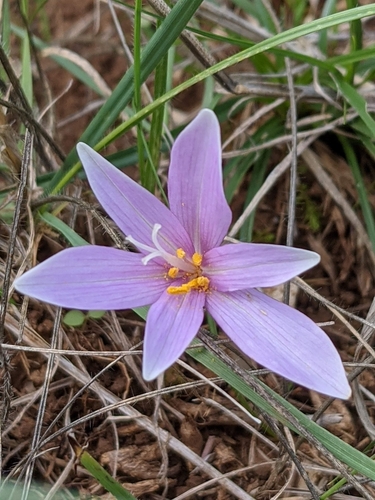
The Autumn Crocus is a bulbous perennial known for its late-season blooms that emerge directly from the ground. It contains potent alkaloids that make it highly dangerous if ingested by pets.
Potentially toxic for cats & dogs.
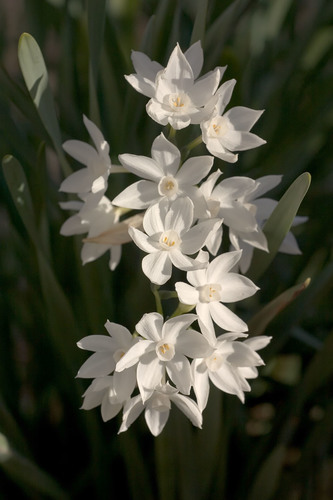
Daffodils are popular spring-flowering bulbs that contain toxic alkaloids, particularly concentrated in the bulb, which can cause significant gastrointestinal distress if ingested. All parts of the plant are considered harmful to pets.
Potentially toxic for cats & dogs.
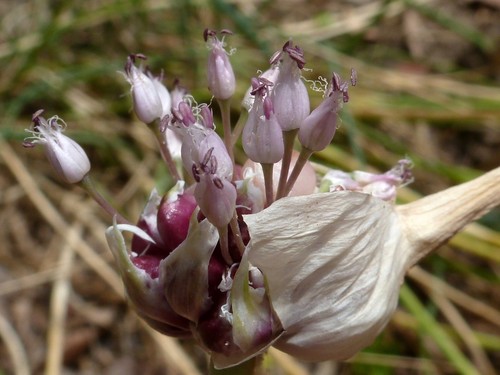
Garlic is a bulbous perennial herb widely cultivated for its culinary and medicinal uses, belonging to the Amaryllidaceae family. It contains compounds that can cause significant health issues in pets if ingested.
Potentially toxic for cats & dogs.
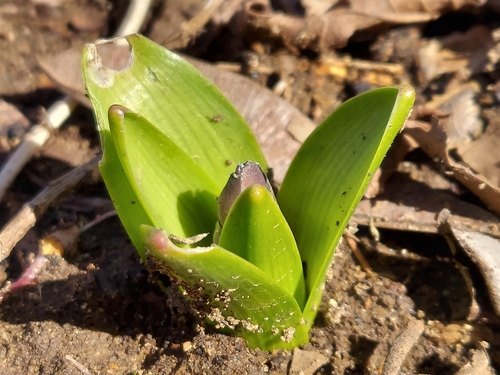
Hyacinthus orientalis is a popular spring-flowering bulb known for its fragrant, dense clusters of bell-shaped flowers. It contains calcium oxalate crystals and alkaloids that can cause irritation if ingested by pets.
Potentially toxic for cats & dogs.