Cats
Potentially toxicConsulted references classify the plant as toxic or irritating for that pet type.
Verified against ASPCA/provenance audit 2026-05-06 on May 6, 2026.
Sources
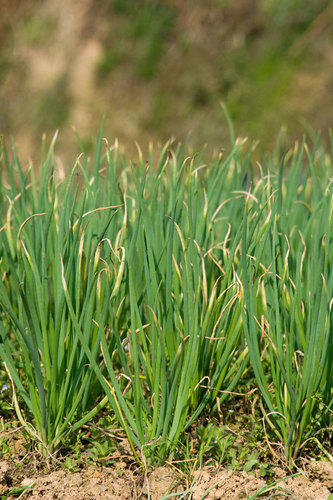
Allium cepa
The onion is a bulbous vegetable widely used in cooking that contains compounds capable of damaging red blood cells in pets. Ingestion of any part of the plant, including the bulb, can lead to serious health complications.
Safety status
Cats
Potentially toxicConsulted references classify the plant as toxic or irritating for that pet type.
Verified against ASPCA/provenance audit 2026-05-06 on May 6, 2026.
Sources
Cats are the species most susceptible to onion toxicity. The N-propyl disulfide in onion damages feline red blood cells and causes Heinz-body hemolytic anemia, and even small amounts of cooked, raw, dehydrated, or powdered onion can poison a cat.
Vomiting and reduced appetite usually appear first. As red blood cells break down, watch for weakness, lethargy, pale or yellow gums, rapid breathing or panting, an elevated heart rate, and brown- or red-tinged urine.
Heinz bodies and methemoglobin can appear in bloodwork within 24 hours of ingestion, but the visible signs of anemia may take several days to develop. Don't wait for symptoms before calling.
Call your vet or ASPCA Poison Control (888-426-4435) any time you suspect ingestion — even a small bite. Concentrated forms (onion powder, dehydrated flakes, dry soup mixes) are especially dangerous and warrant an immediate call.
Remove any remaining onion or onion-containing food, then call ASPCA Poison Control or your vet for guidance. Do not induce vomiting at home — Pet Poison Helpline cautions that unsupervised home emesis is one of the most common pet-poisoning first-aid mistakes.
Sources: ASPCA, Pet Poison Helpline, Merck Veterinary Manual.
If a pet has chewed or swallowed plant material and is showing symptoms, contact a veterinarian or poison resource immediately. This product is for structured reference, not diagnosis.
Cats — concern notes
Common signs
Vomiting, diarrhea, lethargy, pale gums, and rapid breathing.
Escalation note
Ingestion can cause oxidative damage to red blood cells, leading to hemolytic anemia. Please contact your veterinarian or an animal poison control center immediately if ingestion is suspected.
Safer alternatives
No hand-picked alternatives for this plant yet. You can still pick your own using the Compare button on any other plant.
ASPCA Toxic Plant List
toxicology · 99% reliability
Onion is toxic to both cats and dogs, causing damage to red blood cells.
NC State Extension Plant Toolbox
botanical · 94% reliability
Allium cepa is a biennial herb grown as an annual for its edible bulb.
Yes, onions are toxic to cats. They contain compounds that cause oxidative damage to red blood cells, which can lead to hemolytic anemia. This applies to all parts of the plant, including the bulb, and all forms — raw, cooked, powdered, or dehydrated.
Early signs include vomiting, diarrhea, and reduced appetite. As red blood cells break down over the following days, watch for weakness, lethargy, pale or yellow gums, rapid breathing, elevated heart rate, and brown- or red-tinged urine. Heinz bodies can appear in bloodwork within 24 hours of ingestion, even before visible symptoms develop.
Remove any remaining onion or onion-containing food immediately, then call ASPCA Animal Poison Control at (888) 426-4435 or your veterinarian. Do not try to induce vomiting at home — unsupervised home emesis is one of the most common first-aid mistakes in pet poisoning cases.
Even a small amount warrants an immediate call to your vet or ASPCA Poison Control (888-426-4435). Concentrated forms — onion powder, dehydrated flakes, and dry soup mixes — are especially dangerous because the compounds are far more concentrated than in a fresh bulb. Don't wait for symptoms to appear before seeking help.
Same cat verdict
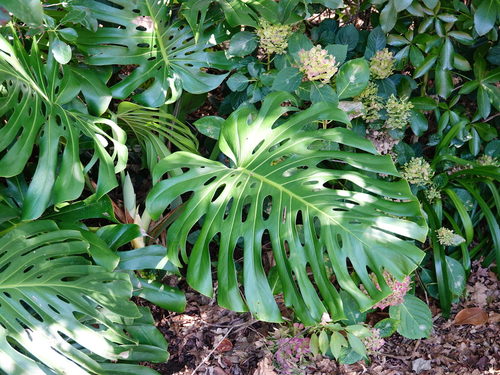
Monstera deliciosa is a popular tropical houseplant known for its large, fenestrated leaves and vining growth habit. It contains insoluble calcium oxalate crystals that can cause irritation if ingested by pets.
Potentially toxic for cats & dogs.
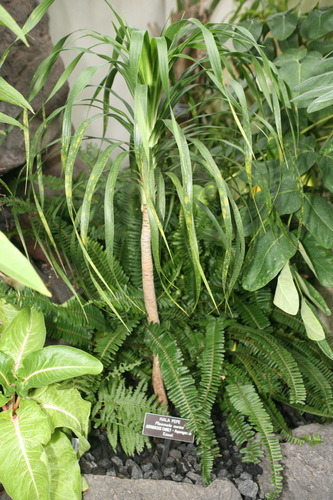
Dracaena trifasciata is a popular, hardy houseplant known for its stiff, sword-like leaves with striking yellow margins. It is widely appreciated for its air-purifying qualities and ability to thrive in various indoor conditions.
Potentially toxic for cats & dogs.
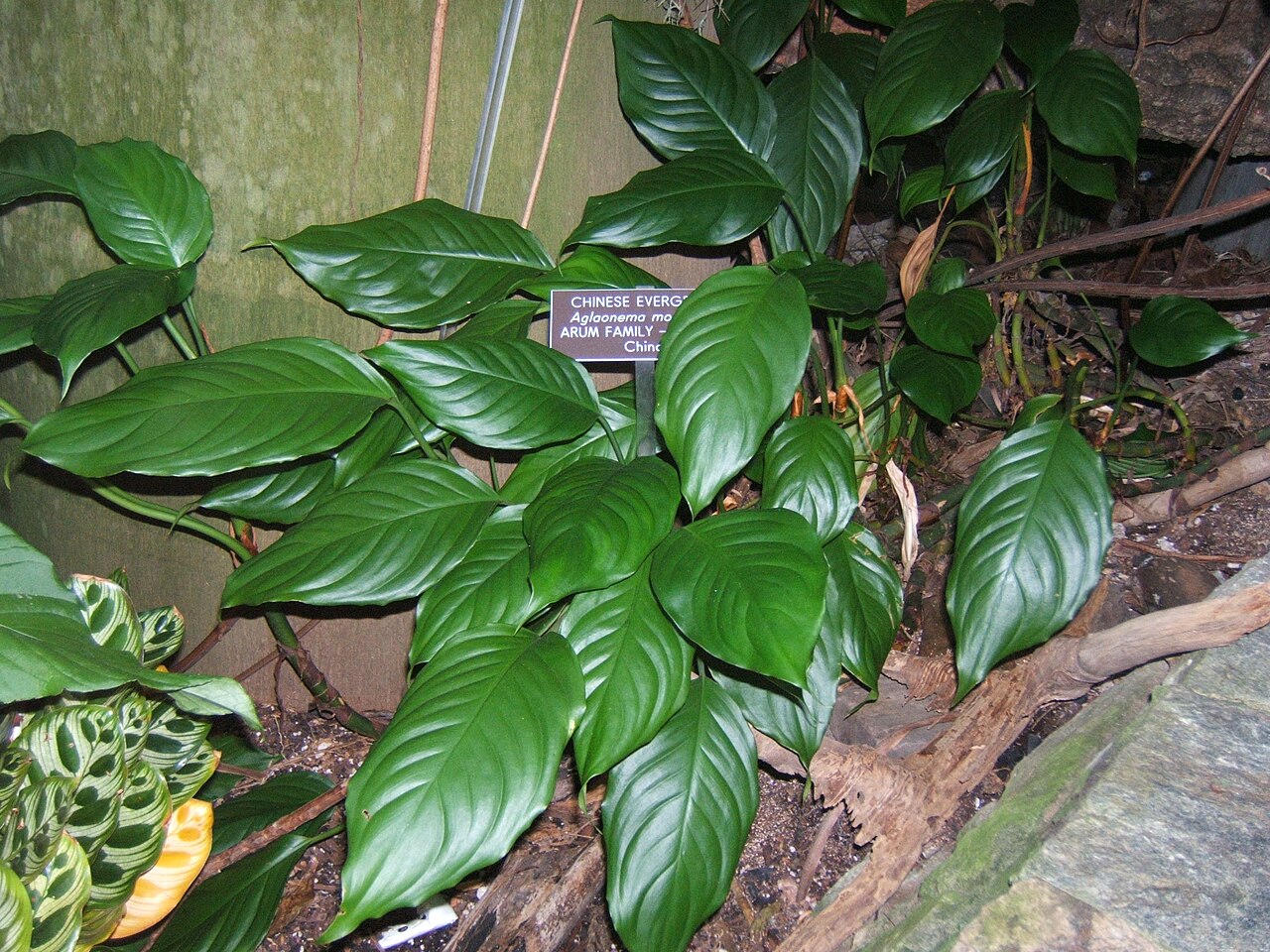
Chinese Evergreen is a popular indoor foliage plant known for its patterned leaves and tolerance of low light conditions. It contains insoluble calcium oxalate crystals that can cause irritation if ingested or chewed.
Potentially toxic for cats & dogs.
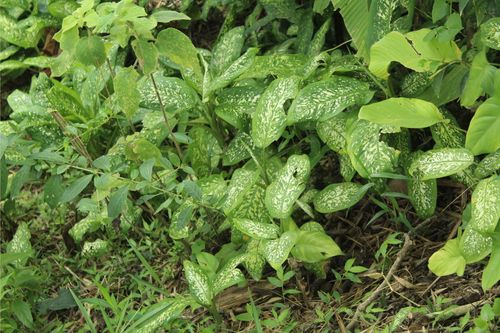
Dieffenbachia is a popular tropical houseplant known for its large, variegated leaves. It contains insoluble calcium oxalate crystals that can cause irritation if ingested or chewed.
Potentially toxic for cats & dogs.