Dogs
Potentially toxicConsulted references classify the plant as toxic or irritating for that pet type.
Verified against ASPCA/provenance audit 2026-05-06 on May 6, 2026.
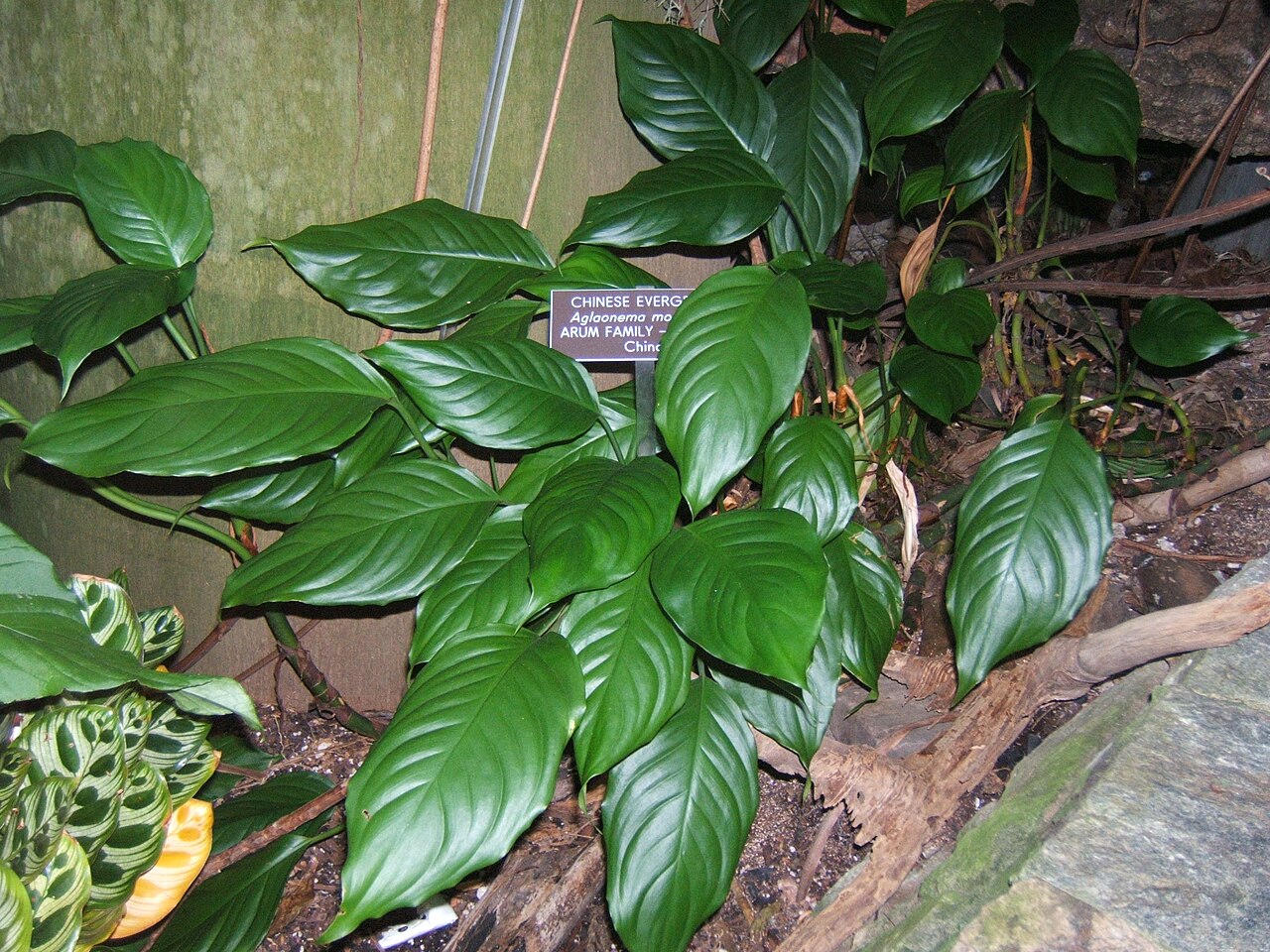
Aglaonema modestum
Chinese Evergreen is a popular indoor foliage plant known for its patterned leaves and tolerance of low light conditions. It contains insoluble calcium oxalate crystals that can cause irritation if ingested or chewed.
Safety status
Dogs
Potentially toxicConsulted references classify the plant as toxic or irritating for that pet type.
Verified against ASPCA/provenance audit 2026-05-06 on May 6, 2026.
Dogs that bite a Chinese evergreen leaf get an immediate burst of mouth pain — the leaves contain insoluble calcium-oxalate crystals that embed in the tongue, lips, and gums. ASPCA classifies it as toxic, but reactions are usually self-limiting; most dogs spit the leaf out, drool a lot, and feel better within 12–24 hours with supportive care.
Pawing at the mouth, foamy drooling, head-shaking, decreased appetite, and vomiting. Watch the muzzle and tongue for visible swelling; rare severe cases involve airway swelling and breathing changes.
Onset is fast, typically within minutes of chewing. ASPCA notes the painful effects usually fade within 12–24 hours of ingestion.
Call your vet or ASPCA Animal Poison Control (888-426-4435) if drooling does not stop within an hour, your dog will not eat or drink, the tongue or muzzle is visibly swollen, or there is any change in breathing.
Wipe any plant material out of the dog's mouth with a damp cloth. Pet Poison Helpline notes that rinsing the mouth with milk or water — and offering a small amount of milk to drink — can help, because calcium in the milk binds the oxalate crystals and reduces irritation. Then call ASPCA Animal Poison Control (888-426-4435) or Pet Poison Helpline (855-764-7661). Do not induce vomiting unless instructed.
Sources: ASPCA, Pet Poison Helpline.
If a pet has chewed or swallowed plant material and is showing symptoms, contact a veterinarian or poison resource immediately. This product is for structured reference, not diagnosis.
Dogs — concern notes
Common signs
Oral irritation, excessive drooling, vomiting, difficulty swallowing, and pawing at the mouth.
Escalation note
Ingestion typically results in immediate discomfort due to the needle-like crystals. Seek veterinary advice if symptoms are severe or if the animal refuses to eat or drink.
Safer alternatives
Some links earn us a small commission. They never affect our safety classifications.
NC State Extension Plant Toolbox
botanical · 94% reliability
Aglaonema modestum is a shade-loving perennial that is known to be toxic if ingested.
Yes, Chinese Evergreen (Aglaonema modestum) is toxic to dogs. It contains insoluble calcium oxalate crystals that cause immediate oral irritation, excessive drooling, vomiting, difficulty swallowing, and pawing at the mouth when chewed or ingested.
Symptoms typically begin within minutes of chewing and include pawing at the mouth, foamy drooling, head-shaking, vomiting, and decreased appetite. In rare cases the tongue or muzzle may visibly swell; watch for any changes in breathing, which would signal a more serious reaction. The painful effects usually fade within 12–24 hours.
Wipe any plant material from your dog's mouth with a damp cloth, then rinse the mouth with water or offer a small amount of milk to drink — calcium in milk binds the oxalate crystals and reduces irritation. Do not induce vomiting unless directed by a professional. Call ASPCA Animal Poison Control at (888) 426-4435 or Pet Poison Helpline at (855) 764-7661 right away.
The plant's needle-like insoluble calcium oxalate crystals physically penetrate soft tissue in the mouth, tongue, and throat on contact, causing immediate burning pain and irritation. This mechanical injury — not a chemical poison — is what triggers drooling, swelling, and vomiting, which is why symptoms are nearly instant and why rinsing with milk (which binds the crystals) can reduce discomfort.
Same dog verdict
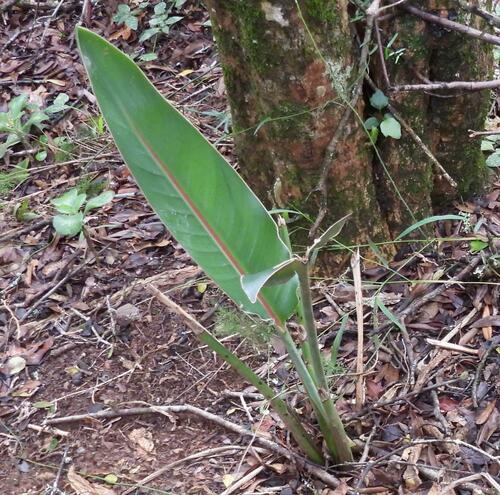
The Bird of Paradise is a popular tropical houseplant known for its striking, crane-like orange and blue flowers. While visually stunning, it contains compounds that can cause gastrointestinal distress if ingested by pets.
Potentially toxic for cats & dogs.
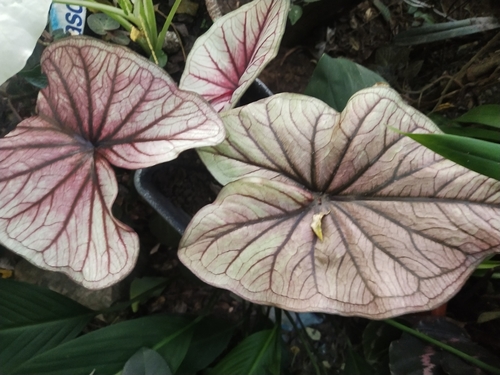
Caladiums are popular tropical foliage plants known for their vibrant, heart-shaped leaves. They contain insoluble calcium oxalate crystals that can cause irritation if ingested.
Potentially toxic for cats & dogs.
The carnation is a popular flowering plant known for its ruffled petals and spicy fragrance. While beautiful in bouquets, it contains compounds that can cause mild irritation if ingested by pets.
Potentially toxic for cats & dogs.

Clivia miniata is a popular flowering houseplant known for its vibrant orange or red clusters of blooms. It contains lycorine and other alkaloids that can cause gastrointestinal distress if ingested by pets.
Potentially toxic for cats & dogs.