Dogs
Potentially toxicConsulted references classify the plant as toxic or irritating for that pet type.
Verified against ASPCA/provenance audit 2026-05-06 on May 6, 2026.
Sources
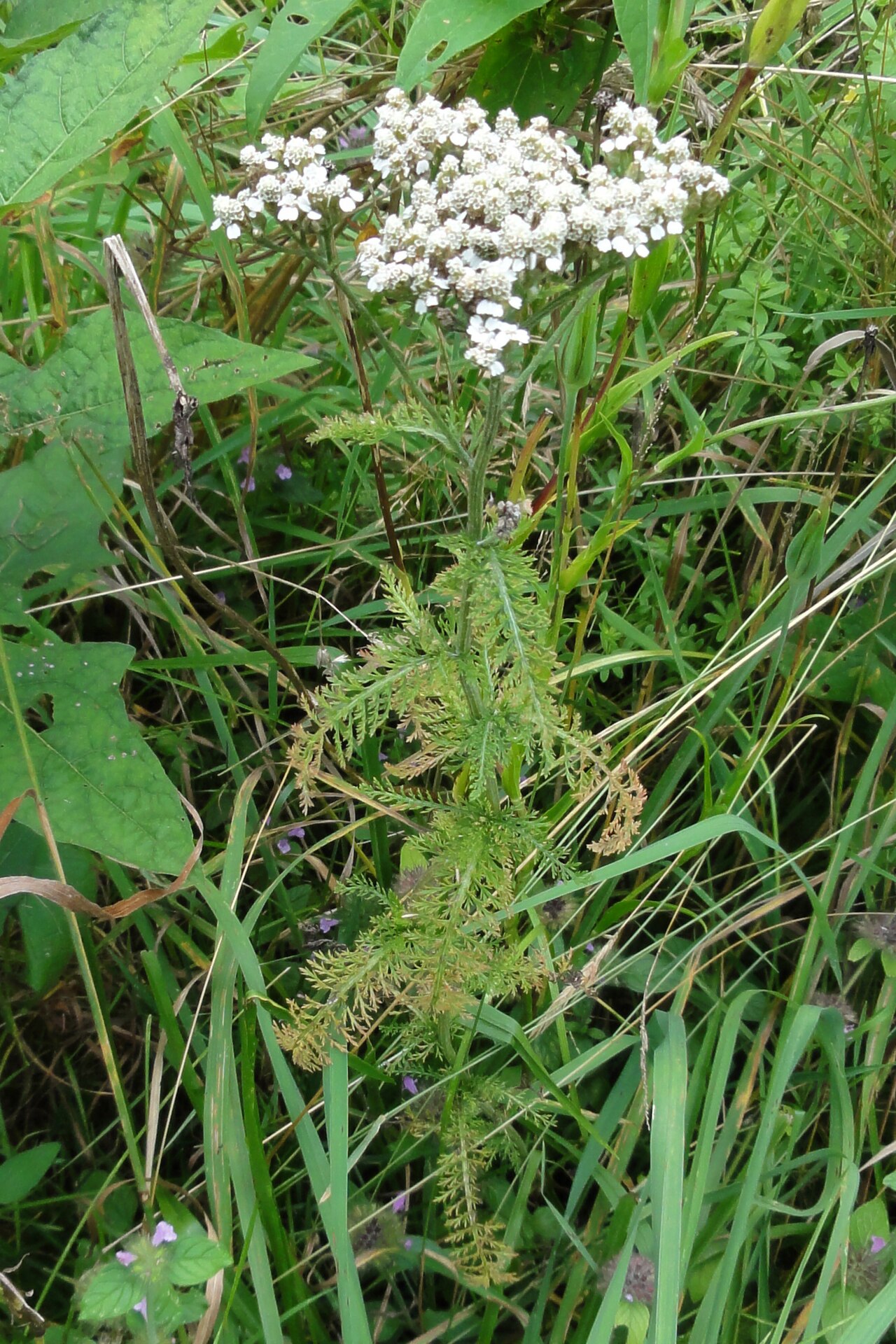
Achillea millefolium
Achillea millefolium is a hardy perennial herb known for its feathery, fern-like foliage and clusters of small, daisy-like flowers. While popular in gardens, it contains compounds that can cause adverse reactions if ingested by pets.
Safety status
Dogs
Potentially toxicConsulted references classify the plant as toxic or irritating for that pet type.
Verified against ASPCA/provenance audit 2026-05-06 on May 6, 2026.
Sources
Dogs can get sick from chewing yarrow, but it is rarely a true emergency. ASPCA lists yarrow as toxic to dogs because of its glycoalkaloids, monoterpenes, and sesquiterpene lactones, and the typical picture is gastrointestinal upset rather than organ damage.
Most-common signs are vomiting, diarrhea, drooling, and loss of appetite. Some dogs also show colic-style abdominal discomfort, depression, or skin irritation (dermatitis) where the plant contacted the skin.
Onset is typically within a few hours of ingestion. Most dogs recover within 24–48 hours with supportive care; ASPCA notes yarrow is not organ-toxic, so persistent signs beyond that window warrant a vet recheck.
Call your vet or ASPCA Animal Poison Control (888-426-4435) if your dog is vomiting more than once or twice, has bloody or persistent diarrhea, won't eat or drink for more than a few hours, or seems unusually depressed or wobbly. Small or young dogs and any dog that ate a large amount should be evaluated promptly.
Gently wipe out your dog's mouth with a damp cloth to remove any plant residue and offer fresh water. Do not induce vomiting at home. Call your veterinarian or the ASPCA APCC at (888) 426-4435 before giving any treatment.
Sources: ASPCA.
If a pet has chewed or swallowed plant material and is showing symptoms, contact a veterinarian or poison resource immediately. This product is for structured reference, not diagnosis.
Dogs — concern notes
Common signs
Vomiting, diarrhea, and increased salivation.
Escalation note
While typically mild, ingestion can cause significant stomach upset. Always consult a veterinarian if your dog shows signs of illness after exposure.
Safer alternatives
No hand-picked alternatives for this plant yet. You can still pick your own using the Compare button on any other plant.
ASPCA Toxic Plant List
toxicology · 99% reliability
Yarrow is listed as toxic to both dogs and cats, causing vomiting, diarrhea, and dermatitis.
Yes, yarrow (Achillea millefolium) is considered toxic to dogs. Ingestion can cause vomiting, diarrhea, and increased salivation, though the effects are typically mild and yarrow is not known to cause organ damage.
The most common signs are vomiting, diarrhea, drooling, and loss of appetite. Some dogs also develop abdominal discomfort, depression, or skin irritation (dermatitis) where the plant contacted their skin. Onset typically occurs within a few hours of ingestion.
Gently wipe out your dog's mouth with a damp cloth to remove any plant residue and offer fresh water. Do not induce vomiting at home. Call your veterinarian or the ASPCA Animal Poison Control Center at (888) 426-4435 before giving any treatment.
Most dogs recover within 24–48 hours with supportive care. Yarrow is not organ-toxic, so symptoms that persist beyond that window warrant a vet recheck. Small or young dogs, or any dog that ate a large amount, should be evaluated promptly rather than waiting to see if signs resolve on their own.
Same dog verdict
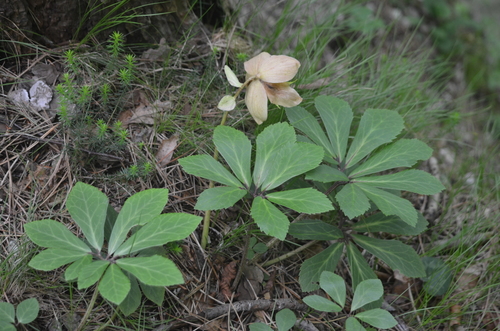
The Christmas Rose is a perennial flowering plant known for its winter blooms, but it contains cardiac glycosides that are harmful if ingested. It is considered toxic to both cats and dogs.
Potentially toxic for cats & dogs.
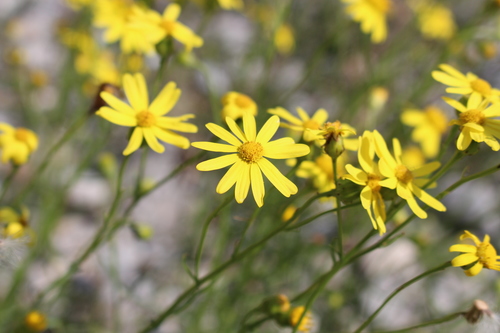
Golden Ragwort is a flowering perennial known for its bright yellow blooms and foliage. It contains pyrrolizidine alkaloids that can cause significant health issues if ingested by pets.
Potentially toxic for cats & dogs.
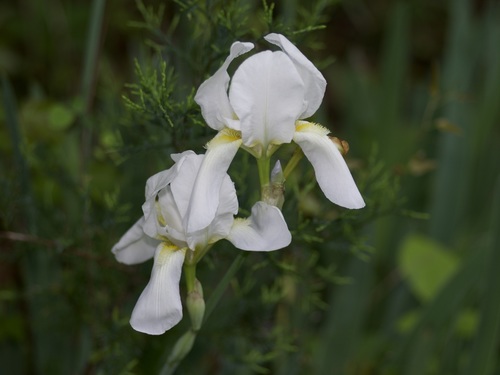
Iris species are popular perennial garden plants known for their showy, complex flowers and sword-like foliage. They contain chemical compounds that can cause gastrointestinal irritation if ingested by pets.
Potentially toxic for cats & dogs.
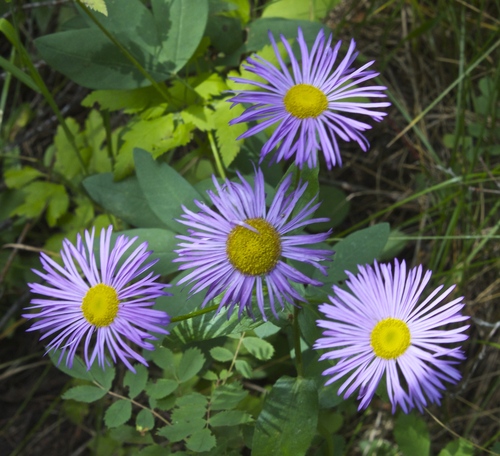
Erigeron speciosus is a perennial flowering plant in the daisy family known for its showy, lavender-blue blooms. While popular in gardens, it is considered toxic to household pets if ingested.
Potentially toxic for cats & dogs.