Compare

Striped Dracaena vs. Song of India: which is safe for cats and dogs?

Striped Dracaena and Song of India are frequently compared because both belong to the Dracaena genus, sharing similar structural characteristics and care requirements that make them popular choices for indoor spaces. If you are deciding between these two plants for a home with pets, it is important to know that both are considered potentially toxic to cats and dogs. Both varieties contain saponins, which can cause significant gastrointestinal distress and other adverse reactions if ingested. While the specific clinical signs and severity of the reaction can vary between the two plants, neither is considered safe for curious pets, and both should be kept out of reach.

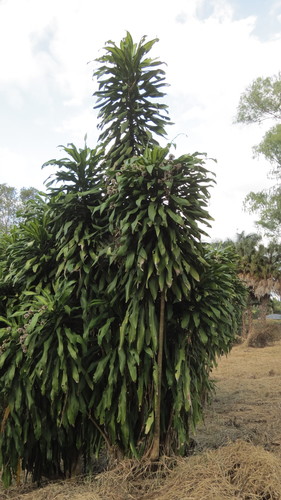
Striped Dracaena

Dracaena deremensis

Striped Dracaena is a popular indoor foliage plant known for its long, lance-shaped leaves with distinct variegation. It contains saponins, which can cause adverse reactions if ingested by pets.

cat

Potentially toxic

Consulted references classify the plant as toxic or irritating for that pet type.

Watch for

Vomiting, excessive drooling, loss of appetite, and dilated pupils.

dog

Potentially toxic

Consulted references classify the plant as toxic or irritating for that pet type.

Watch for

Vomiting, drooling, diarrhea, and general weakness.
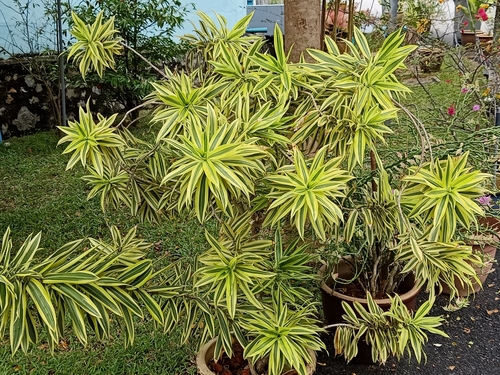
Song of India

Dracaena reflexa

Dracaena reflexa is a popular ornamental houseplant known for its spiraling, lance-shaped leaves and woody stems. It contains saponins which can cause gastrointestinal and neurological distress if ingested by pets.

cat

Potentially toxic

Consulted references classify the plant as toxic or irritating for that pet type.

Watch for

Vomiting (sometimes with blood), depression, anorexia, hypersalivation, and dilated pupils.

dog

Potentially toxic

Consulted references classify the plant as toxic or irritating for that pet type.

Watch for

Vomiting, loss of appetite, lethargy, and excessive drooling.