Compare

Schefflera vs. Octopus Tree: which is safe for cats and dogs?

Schefflera and Octopus Tree are frequently grouped together because both plants share the common-name alias umbrella tree. While they differ in their mature size and specific growth habits, they are closely related members of the same genus. From a pet-safety perspective, both plants are considered potentially toxic to cats and dogs. Each contains insoluble calcium oxalate crystals that cause immediate mechanical irritation if chewed or ingested. Because these plants share the same chemical defense mechanism, you should treat both with equal caution in a home with pets. If you suspect your cat or dog has consumed any part of either plant, please contact your veterinarian for guidance.

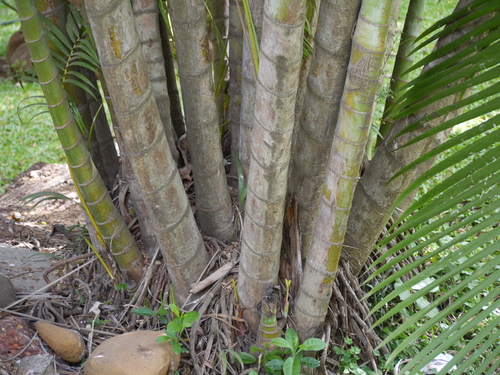
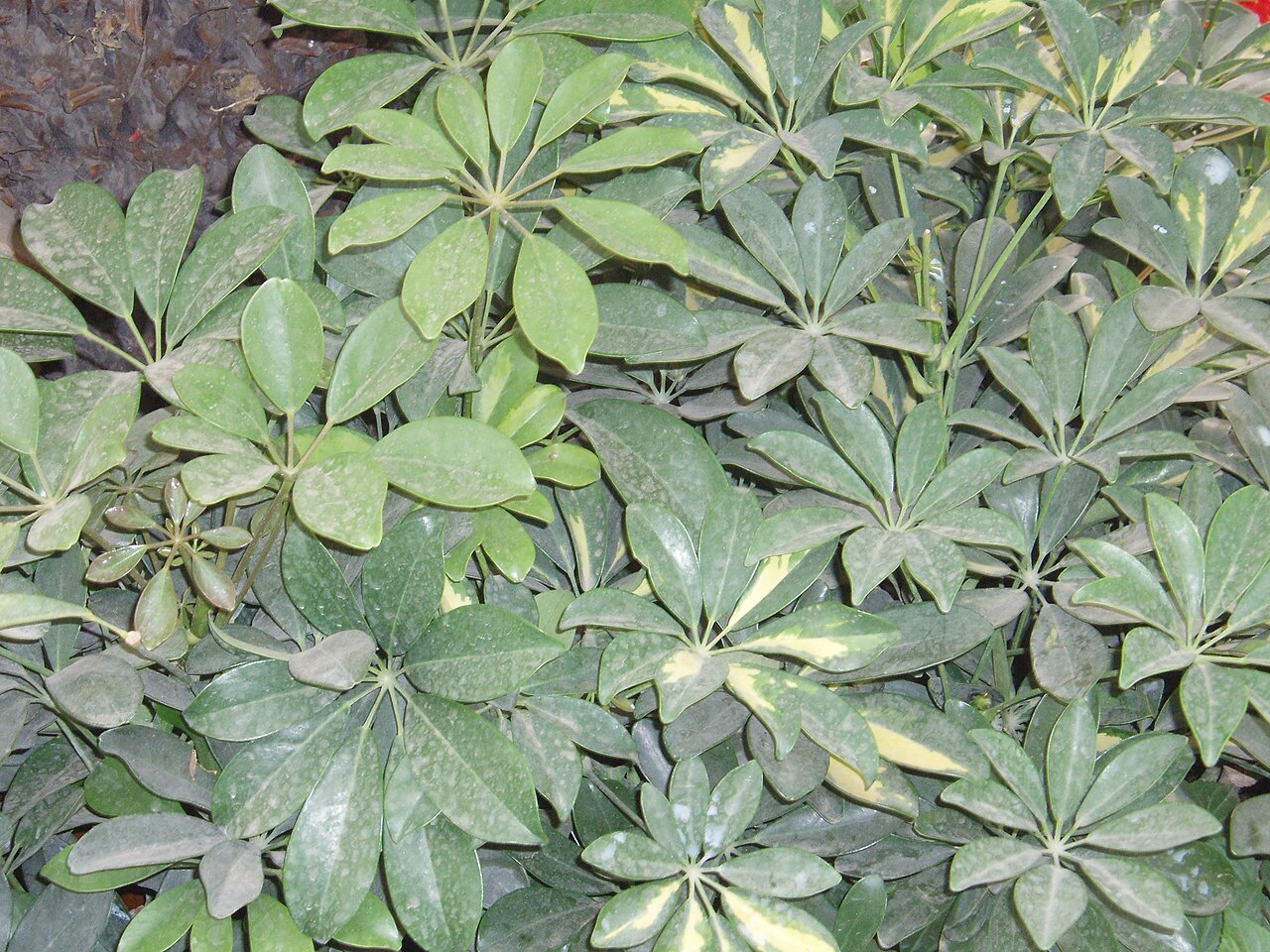
Schefflera

Schefflera arboricola

Schefflera is a popular tropical houseplant known for its glossy, palm-like leaflets arranged in a circular pattern. It contains insoluble calcium oxalate crystals that can cause irritation upon ingestion.

cat

Potentially toxic

Consulted references classify the plant as toxic or irritating for that pet type.

Watch for

Oral irritation, intense burning and irritation of mouth, tongue and lips, excessive drooling, vomiting, and difficulty swallowing.

dog

Potentially toxic

Consulted references classify the plant as toxic or irritating for that pet type.

Watch for

Oral irritation, excessive drooling, vomiting, pawing at the mouth, and difficulty swallowing.
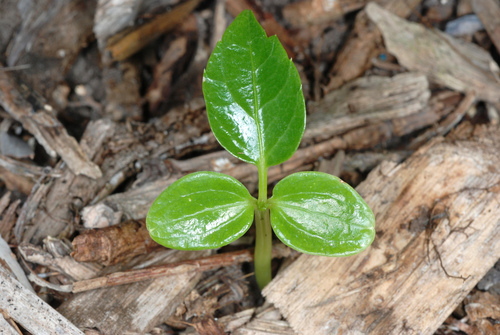
Octopus Tree

Schefflera actinophylla

The Octopus Tree is a popular tropical houseplant known for its large, glossy, palm-like leaves arranged in a circular pattern. It contains insoluble calcium oxalate crystals that can cause irritation if ingested by pets.

cat

Potentially toxic

Consulted references classify the plant as toxic or irritating for that pet type.

Watch for

Oral irritation, intense burning and irritation of mouth, tongue and lips, excessive drooling, vomiting, and difficulty swallowing.

dog

Potentially toxic

Consulted references classify the plant as toxic or irritating for that pet type.

Watch for

Oral irritation, excessive drooling, vomiting, difficulty swallowing, and pawing at the mouth.

Safer alternatives

Some links earn us a small commission. They never affect our safety classifications.