Compare

Wax Begonia vs. Mapleleaf Begonia: which is safe for cats and dogs?

Wax Begonia and Mapleleaf Begonia are frequently compared because they both belong to the Begonia genus, sharing similar structural characteristics that make them popular choices for indoor gardening. If you are a pet owner, it is important to know that both of these plants are considered potentially toxic to cats and dogs. They contain soluble calcium oxalates, which cause immediate irritation and discomfort if ingested. While neither plant is typically fatal, their shared chemical composition means that both pose a risk of oral distress for your pets. Understanding these similarities will help you make an informed decision about where to place these plants in your home.

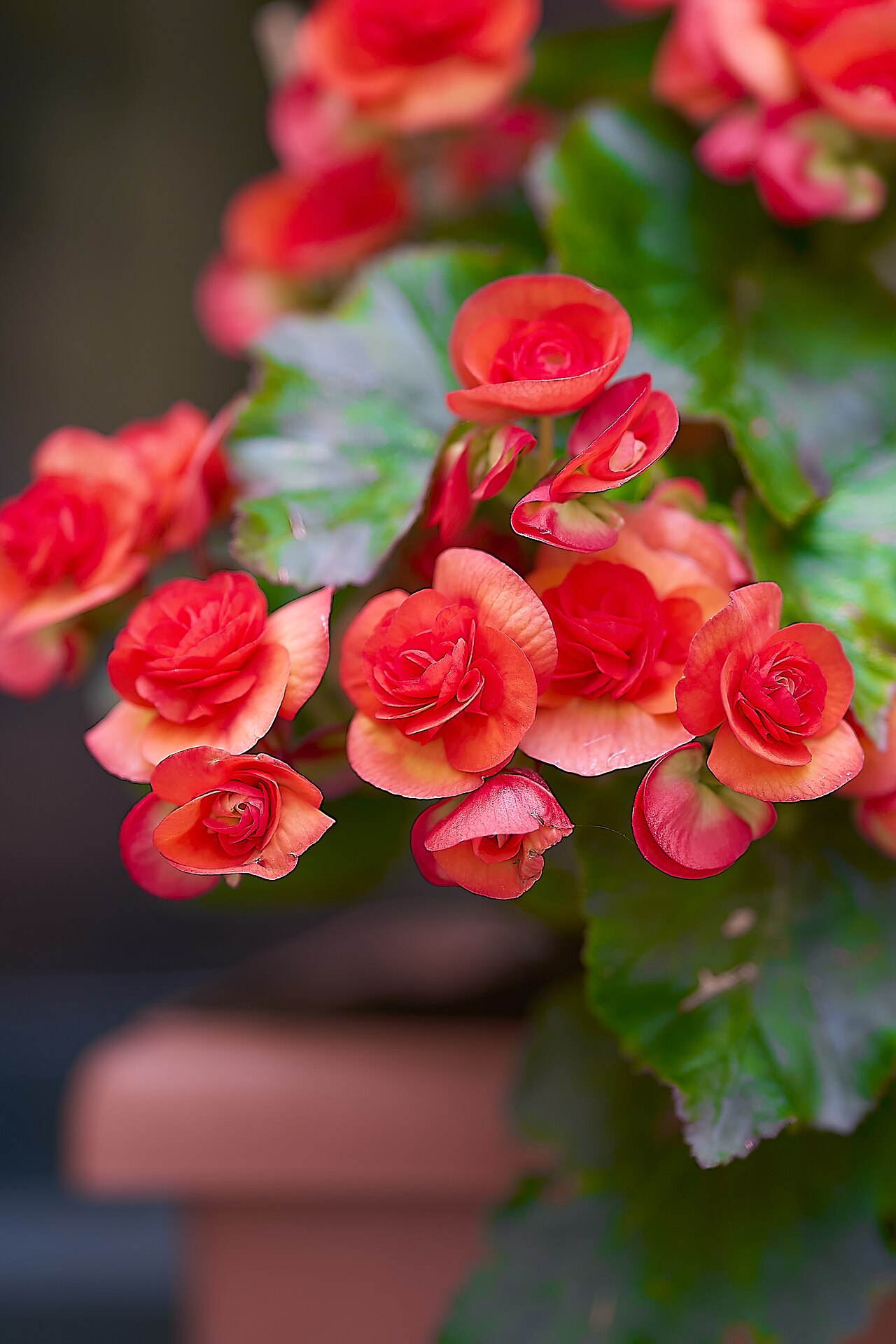
Wax Begonia

Begonia semperflorens

The Pink Pearl is a popular cultivar of wax begonia known for its waxy, succulent-like leaves and delicate pink flowers. It contains soluble calcium oxalates that can cause irritation if ingested by pets.

cat

Potentially toxic

Consulted references classify the plant as toxic or irritating for that pet type.

Watch for

Oral irritation, excessive drooling, difficulty swallowing, and vomiting.

dog

Potentially toxic

Consulted references classify the plant as toxic or irritating for that pet type.

Watch for

Intense burning and irritation of the mouth, tongue, and lips, excessive drooling, and vomiting.
Mapleleaf Begonia

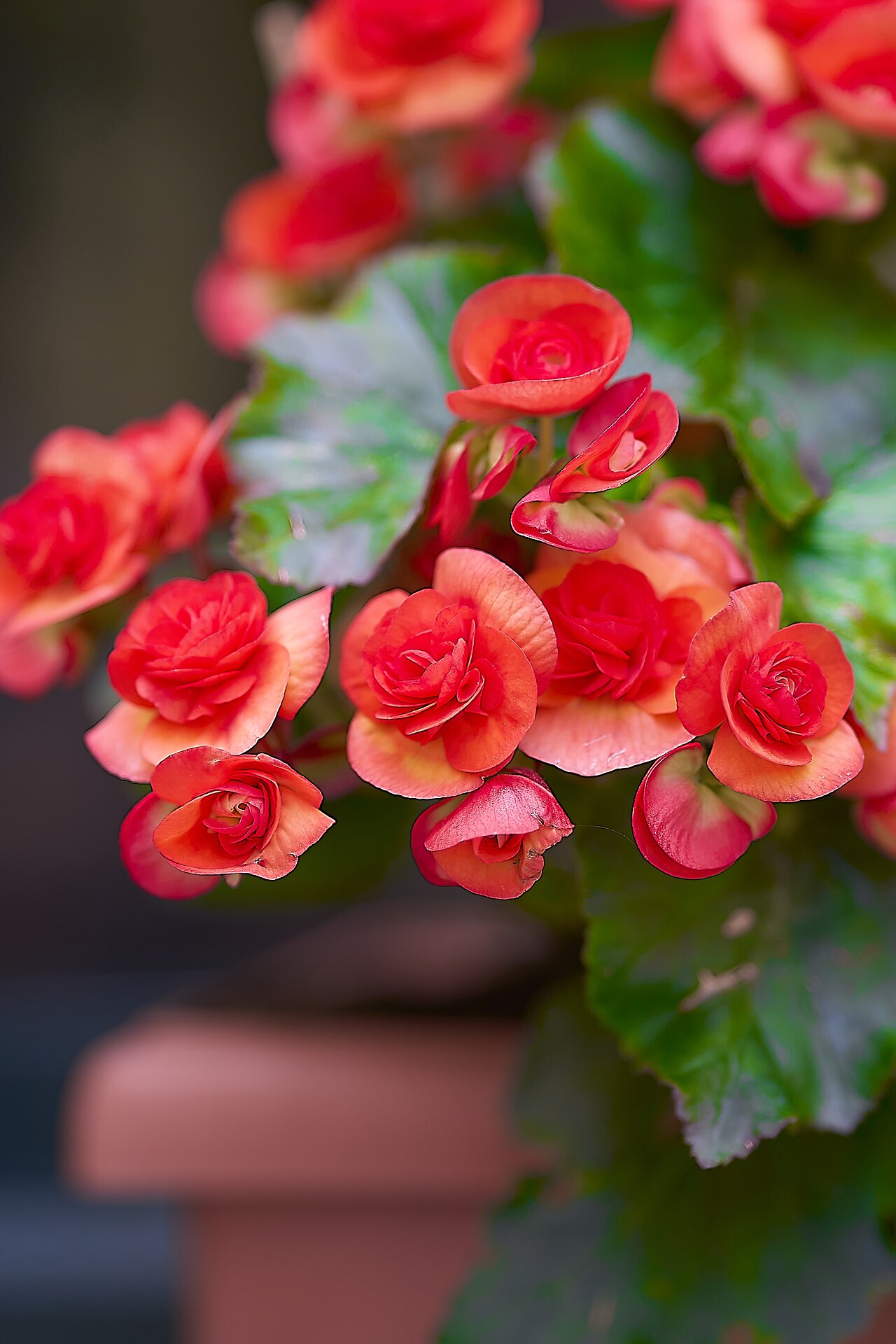
Begonia cleopatra

Begonia cleopatra is a popular ornamental houseplant known for its striking, maple-shaped foliage. It contains soluble calcium oxalates that can cause irritation if ingested by pets.

cat

Potentially toxic

Consulted references classify the plant as toxic or irritating for that pet type.

Watch for

Oral irritation, excessive drooling, difficulty swallowing, and vomiting.

dog

Potentially toxic

Consulted references classify the plant as toxic or irritating for that pet type.

Watch for

Intense burning and irritation of the mouth, tongue, and lips, excessive drooling, and vomiting.