Compare

Monstera vs. Lacy Tree Philodendron: which is safe for cats and dogs?

Monstera and Lacy Tree Philodendron are frequently confused by houseplant enthusiasts because both are commonly referred to as split leaf philodendron. Despite their distinct appearances, both plants share a similar chemical defense mechanism that makes them both potentially toxic to your pets. Each contains insoluble calcium oxalate crystals, which cause immediate mechanical irritation and discomfort if chewed or ingested by cats or dogs. While neither plant is typically considered life-threatening, the resulting oral distress can be quite painful for your animal companions. Understanding the risks associated with these popular tropical plants is an important step in keeping your home environment safe for your curious pets.

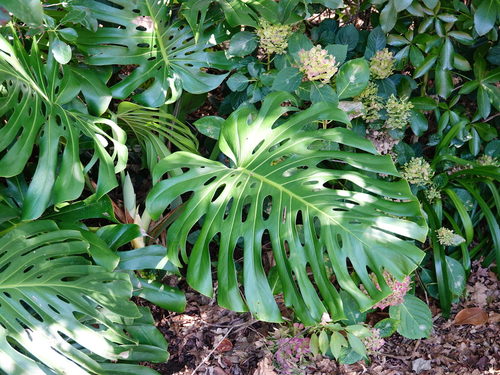
Monstera

Monstera deliciosa

Monstera deliciosa is a popular tropical houseplant known for its large, fenestrated leaves and vining growth habit. It contains insoluble calcium oxalate crystals that can cause irritation if ingested by pets.

cat

Potentially toxic

Consulted references classify the plant as toxic or irritating for that pet type.

Watch for

Oral irritation, intense burning and irritation of mouth, tongue and lips, excessive drooling, vomiting, and difficulty swallowing.

dog

Potentially toxic

Consulted references classify the plant as toxic or irritating for that pet type.

Watch for

Oral irritation, excessive drooling, pawing at the mouth, vomiting, and decreased appetite due to discomfort.
Lacy Tree Philodendron

Philodendron bipinnatifidum

The Lacy Tree Philodendron is a popular tropical houseplant known for its large, deeply lobed, glossy green leaves. It contains insoluble calcium oxalate crystals that can cause irritation if ingested or chewed.

cat

Potentially toxic

Consulted references classify the plant as toxic or irritating for that pet type.

Watch for

Oral irritation, intense burning and irritation of mouth, tongue and lips, excessive drooling, vomiting, and difficulty swallowing.

dog

Potentially toxic

Consulted references classify the plant as toxic or irritating for that pet type.

Watch for

Oral irritation, intense burning and irritation of mouth, tongue and lips, excessive drooling, vomiting, and difficulty swallowing.

Safer alternatives

Some links earn us a small commission. They never affect our safety classifications.