Compare

Fiddle-Leaf Philodendron vs. Heartleaf Philodendron: which is safe for cats and dogs?

Fiddle-Leaf Philodendron and Heartleaf Philodendron are frequently compared because they both belong to the Philodendron genus, a group of popular houseplants known for their distinct foliage and vining habits. If you are a pet owner, it is important to know that both of these plants are considered potentially toxic to cats and dogs. Because they contain insoluble calcium oxalate crystals, ingestion by your pet can lead to immediate oral irritation and significant digestive distress. While the severity of the reaction is generally similar for both varieties, understanding the specific risks associated with these popular indoor plants will help you keep your home environment safe.

Fiddle-Leaf Philodendron

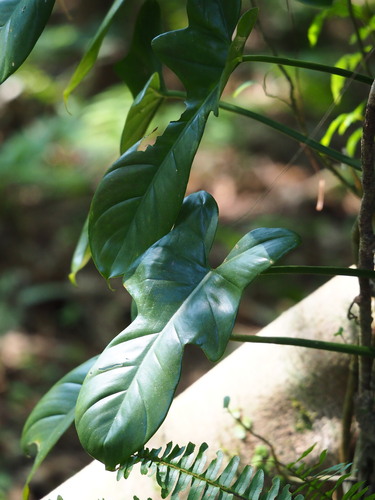
Philodendron bipennifolium

Philodendron bipennifolium is a popular vining aroid known for its unique, fiddle-shaped foliage. Like many members of the Araceae family, it contains insoluble calcium oxalate crystals that can cause irritation if ingested.

cat

Potentially toxic

Consulted references classify the plant as toxic or irritating for that pet type.

Watch for

Oral irritation, intense burning and irritation of mouth, tongue and lips, excessive drooling, vomiting, and difficulty swallowing.
dog

Potentially toxic

Consulted references classify the plant as toxic or irritating for that pet type.

Watch for

Oral irritation, intense burning and irritation of mouth, tongue and lips, excessive drooling, vomiting, and difficulty swallowing.

Heartleaf Philodendron

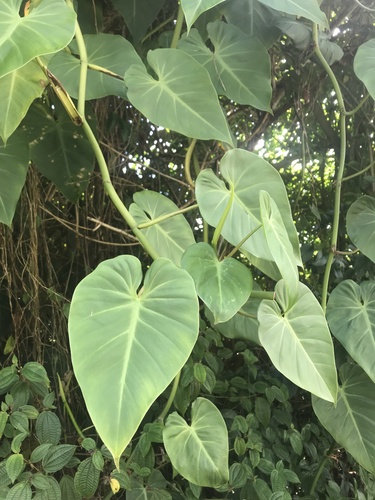
Philodendron hederaceum

Heartleaf Philodendron is a popular trailing houseplant known for its heart-shaped leaves and ease of care. It contains insoluble calcium oxalate crystals that can cause irritation if ingested by pets.

cat

Potentially toxic

Consulted references classify the plant as toxic or irritating for that pet type.

Watch for

Oral irritation, intense burning and irritation of mouth, tongue and lips, excessive drooling, vomiting, and difficulty swallowing.

dog

Potentially toxic

Consulted references classify the plant as toxic or irritating for that pet type.

Watch for

Oral irritation, intense burning and irritation of mouth, tongue and lips, excessive drooling, vomiting, and difficulty swallowing.

Safer alternatives

Some links earn us a small commission. They never affect our safety classifications.