
Compare

Philodendron vs. Fiddle-Leaf Philodendron: which is safe for cats and dogs?

Philodendron and Fiddle-Leaf Philodendron are frequently compared because they both belong to the same genus, leading many pet owners to wonder if their specific foliage varieties carry different risks. Both of these popular tropical plants are considered potentially toxic to cats and dogs. They contain insoluble calcium oxalate crystals, which cause immediate irritation and discomfort upon ingestion. While the severity of the reaction is generally localized to the mouth and gastrointestinal tract rather than being life-threatening, these plants should be kept out of reach of your pets to prevent accidental exposure and the resulting distress. We have outlined the specific safety considerations for each below.

Philodendron

Philodendron spp.

Philodendrons are popular tropical foliage plants known for their lush, heart-shaped or split leaves. They contain insoluble calcium oxalate crystals that can cause irritation if ingested.

cat

Potentially toxic

Consulted references classify the plant as toxic or irritating for that pet type.

Watch for

Oral irritation, intense burning and irritation of mouth, tongue and lips, excessive drooling, vomiting, and difficulty swallowing.
dog

Potentially toxic

Consulted references classify the plant as toxic or irritating for that pet type.

Watch for

Oral irritation, intense burning and irritation of mouth, tongue and lips, excessive drooling, vomiting, and difficulty swallowing.

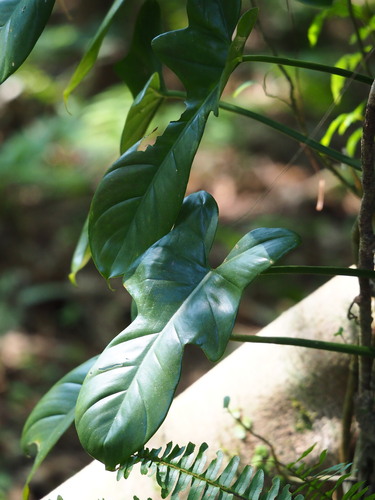
Fiddle-Leaf Philodendron

Philodendron bipennifolium

Philodendron bipennifolium is a popular vining aroid known for its unique, fiddle-shaped foliage. Like many members of the Araceae family, it contains insoluble calcium oxalate crystals that can cause irritation if ingested.

cat

Potentially toxic

Consulted references classify the plant as toxic or irritating for that pet type.

Watch for

Oral irritation, intense burning and irritation of mouth, tongue and lips, excessive drooling, vomiting, and difficulty swallowing.

dog

Potentially toxic

Consulted references classify the plant as toxic or irritating for that pet type.

Watch for

Oral irritation, intense burning and irritation of mouth, tongue and lips, excessive drooling, vomiting, and difficulty swallowing.