Compare

Fiddle-Leaf Philodendron vs. Lacy Tree Philodendron: which is safe for cats and dogs?

Fiddle-Leaf Philodendron and Lacy Tree Philodendron are frequently confused because both plants share the common-name alias horsehead philodendron. Despite their different leaf shapes and growth habits, it is important to know that both plants are potentially toxic to pets. Each contains insoluble calcium oxalate crystals that cause immediate physical irritation if chewed or ingested by cats or dogs. While neither plant is typically considered fatal, the resulting discomfort can be significant for your animal companions. Understanding the risks associated with these popular aroids is essential for keeping your home environment safe, and we have outlined the specific concerns for your pets below.

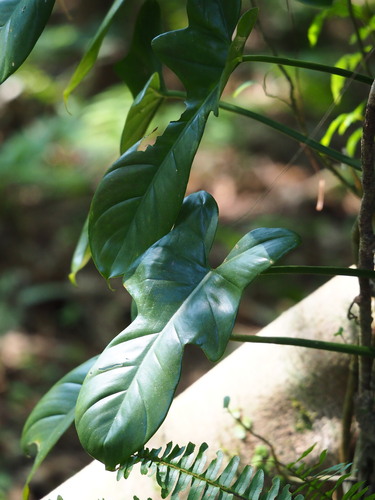
Fiddle-Leaf Philodendron

Philodendron bipennifolium

Philodendron bipennifolium is a popular vining aroid known for its unique, fiddle-shaped foliage. Like many members of the Araceae family, it contains insoluble calcium oxalate crystals that can cause irritation if ingested.

cat

Potentially toxic

Consulted references classify the plant as toxic or irritating for that pet type.

Watch for

Oral irritation, intense burning and irritation of mouth, tongue and lips, excessive drooling, vomiting, and difficulty swallowing.
dog

Potentially toxic

Consulted references classify the plant as toxic or irritating for that pet type.

Watch for

Oral irritation, intense burning and irritation of mouth, tongue and lips, excessive drooling, vomiting, and difficulty swallowing.

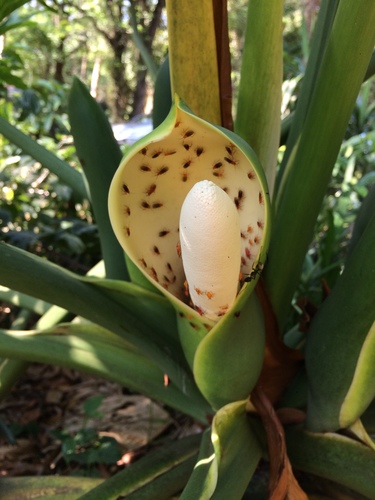
Lacy Tree Philodendron

Philodendron bipinnatifidum

The Lacy Tree Philodendron is a popular tropical houseplant known for its large, deeply lobed, glossy green leaves. It contains insoluble calcium oxalate crystals that can cause irritation if ingested or chewed.

cat

Potentially toxic

Consulted references classify the plant as toxic or irritating for that pet type.

Watch for

Oral irritation, intense burning and irritation of mouth, tongue and lips, excessive drooling, vomiting, and difficulty swallowing.

dog

Potentially toxic

Consulted references classify the plant as toxic or irritating for that pet type.

Watch for

Oral irritation, intense burning and irritation of mouth, tongue and lips, excessive drooling, vomiting, and difficulty swallowing.