Compare

Dragon Tree vs. Gold Dust Dracaena: which is safe for cats and dogs?

Dragon Tree and Gold Dust Dracaena are frequently compared by pet owners because both belong to the Dracaena genus. If you are choosing between these two popular houseplants, it is important to know that both are considered potentially toxic to cats and dogs. Each plant contains saponins, which can cause gastrointestinal distress and other physical reactions if ingested by your pets. While the specific symptoms and severity can vary slightly between individual animals, both plants pose a similar level of risk in a household with curious pets. Understanding these shared risks will help you make an informed decision about where to place these plants in your home.

Dragon Tree

Dracaena marginata

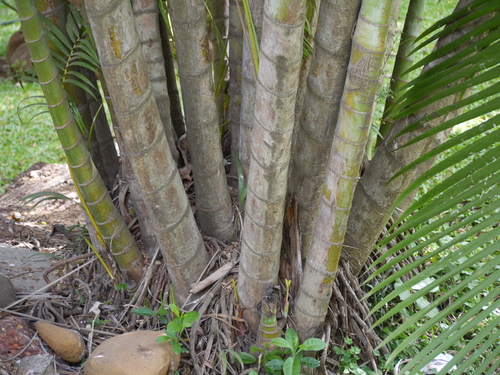
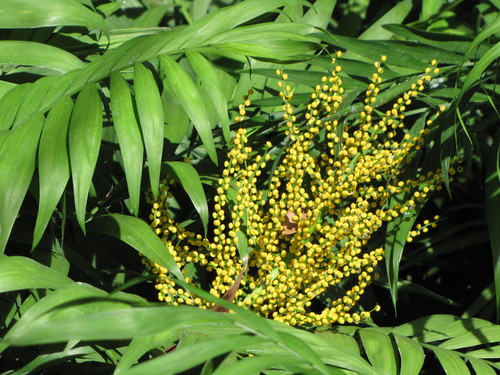
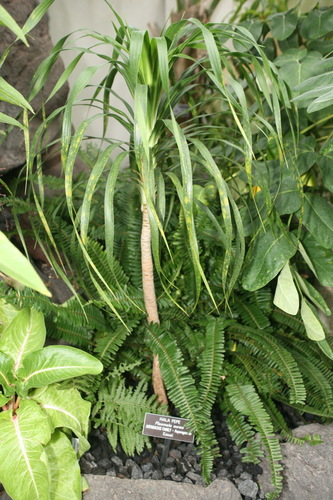
The Madagascar Dragon Tree is a popular, slow-growing indoor plant known for its slender, woody stems and spiky, colorful foliage. It contains saponins, which can cause gastrointestinal distress if ingested by pets.

cat

Potentially toxic

Consulted references classify the plant as toxic or irritating for that pet type.

Watch for

Vomiting (sometimes with blood), depression, anorexia, hypersalivation, and dilated pupils.

dog

Potentially toxic

Consulted references classify the plant as toxic or irritating for that pet type.

Watch for

Vomiting, loss of appetite, lethargy, and excessive drooling.
Gold Dust Dracaena

Dracaena surculosa

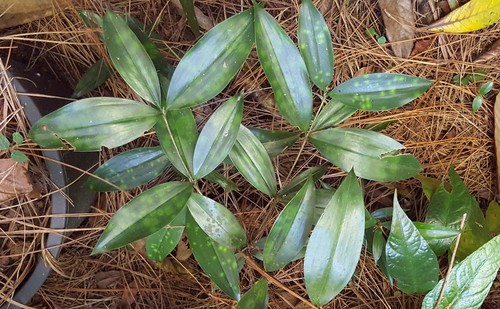
Dracaena surculosa is a popular ornamental houseplant known for its spotted, leathery foliage. It contains saponins which can cause gastrointestinal distress if ingested by pets.

cat

Potentially toxic

Consulted references classify the plant as toxic or irritating for that pet type.

Watch for

Vomiting, hypersalivation, dilated pupils, and loss of appetite.

dog

Potentially toxic

Consulted references classify the plant as toxic or irritating for that pet type.

Watch for

Vomiting, drooling, diarrhea, and lethargy.

Safer alternatives

Some links earn us a small commission. They never affect our safety classifications.