Compare

Carnation vs. Dianthus: which is safe for cats and dogs?

Carnation and Dianthus are frequently confused because they share the common-name alias carnation, leading many pet owners to believe they are distinct varieties with different safety profiles. In reality, both plants belong to the same genus, Dianthus, and are considered potentially toxic to both cats and dogs. While the risk is generally categorized as mild, ingestion of either plant can lead to gastrointestinal distress and skin irritation in your pets. Because both share similar chemical properties that cause these adverse reactions, it is important to keep both out of reach of your animals to prevent any unnecessary discomfort or digestive upset in your home.

Carnation

Dianthus caryophyllus

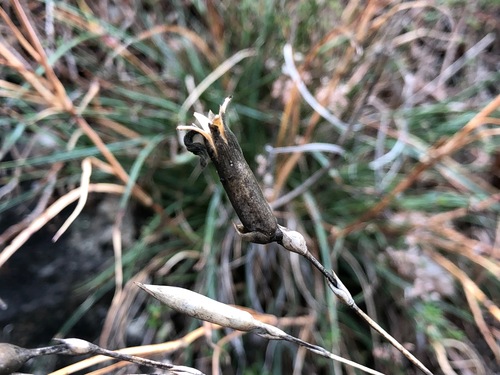
The carnation is a popular flowering plant known for its ruffled petals and spicy fragrance. While beautiful in bouquets, it contains compounds that can cause mild irritation if ingested by pets.

cat

Potentially toxic

Consulted references classify the plant as toxic or irritating for that pet type.

Watch for

Gastrointestinal upset, including vomiting and diarrhea, and mild dermatitis.
dog

Potentially toxic

Consulted references classify the plant as toxic or irritating for that pet type.

Watch for

Gastrointestinal upset, including vomiting and diarrhea, and mild dermatitis.

Dianthus

Dianthus spp.

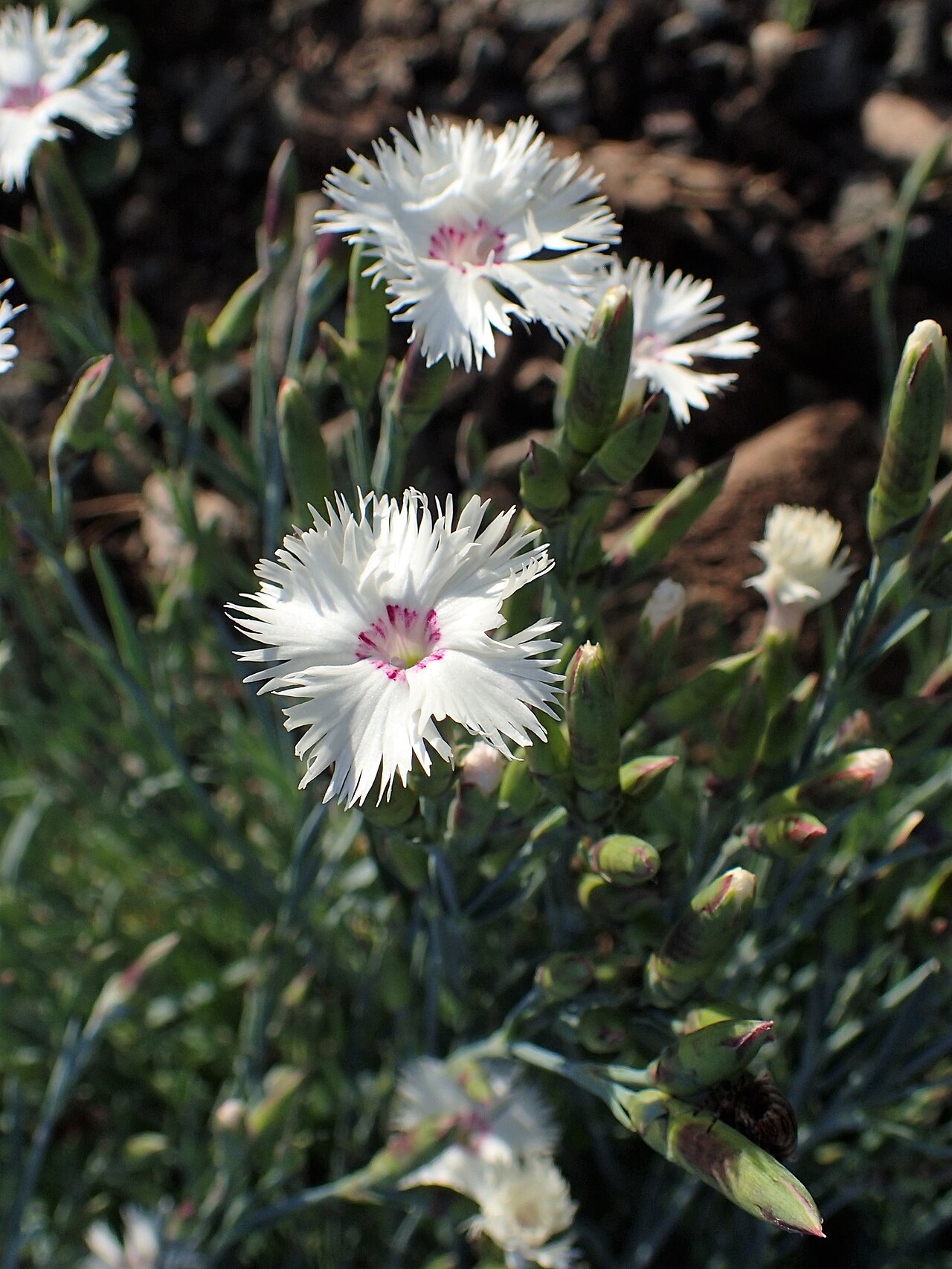
Dianthus species, including the Eastern Star, are popular garden and container plants that contain compounds which can cause gastrointestinal irritation in pets. While generally considered mild, ingestion should be monitored closely.

cat

Potentially toxic

Consulted references classify the plant as toxic or irritating for that pet type.

Watch for

Vomiting, diarrhea, and mild gastrointestinal upset.

dog

Potentially toxic

Consulted references classify the plant as toxic or irritating for that pet type.

Watch for

Vomiting, diarrhea, and potential skin irritation upon contact.