Compare

Cardboard Cycad vs. Cycads: which is safe for cats and dogs?

The Cardboard Cycad and the broader group of Cycads are frequently confused because both are commonly referred to as the cardboard palm. While they belong to different classifications, they share a critical safety profile for pet owners. Both the Cardboard Cycad and other Cycads are highly toxic to cats and dogs, containing potent compounds that can cause severe illness or death. Because every part of these plants is dangerous, particularly the seeds, they should never be kept in homes with curious pets. If you suspect your animal has ingested any portion of these plants, seek emergency veterinary care immediately, as the window for effective treatment is extremely narrow.

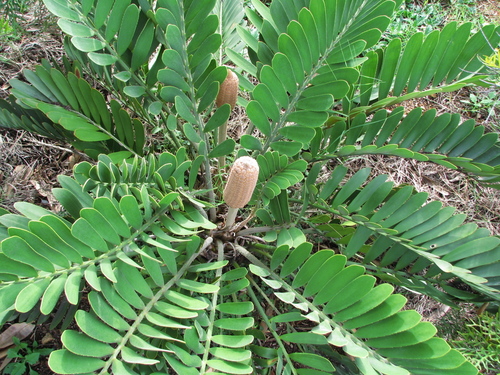
Cardboard Cycad

Zamia furfuracea

The Cardboard Cycad is a slow-growing cycad known for its stiff, leathery, palm-like foliage. It is highly toxic to pets if ingested and requires careful placement in households with animals.

cat

Potentially toxic

Consulted references classify the plant as toxic or irritating for that pet type.

Watch for

Vomiting, diarrhea, lethargy, jaundice, increased thirst, and potential liver failure.

dog

Potentially toxic

Consulted references classify the plant as toxic or irritating for that pet type.

Watch for

Vomiting, bloody stool, jaundice, bruising, coagulopathy, and potential liver failure.
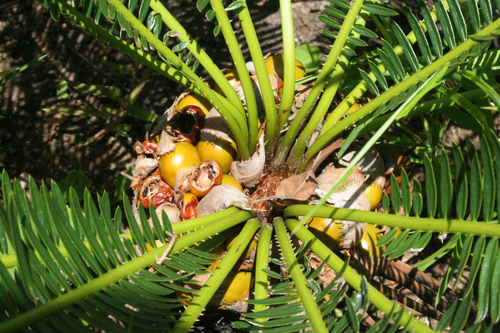
Cycads

Cycas and Zamia species

Cycads are ancient, palm-like gymnosperms that contain potent toxins throughout the entire plant, especially the seeds. Ingestion of any part of these plants is considered a medical emergency for pets.

cat

Potentially toxic

Consulted references classify the plant as toxic or irritating for that pet type.

Watch for

Vomiting, diarrhea, lethargy, jaundice, increased thirst, and potential liver failure.

dog

Potentially toxic

Consulted references classify the plant as toxic or irritating for that pet type.

Watch for

Vomiting, bloody stools, jaundice, bruising, coagulopathy, and liver failure.