Compare

American Holly vs. English Holly: which is safe for cats and dogs?

American Holly and English Holly are frequently confused by gardeners and pet owners alike because both belong to the Ilex genus and share a similar appearance with their glossy, spiny leaves and vibrant red berries. It is important to know that both plants are considered potentially toxic to cats and dogs. While the specific reactions can vary slightly in presentation, ingestion of either plant typically leads to gastrointestinal distress. Because both varieties pose a risk to your pets, it is best to keep these shrubs out of reach or opt for non-toxic alternatives to ensure your home environment remains safe for your animal companions.

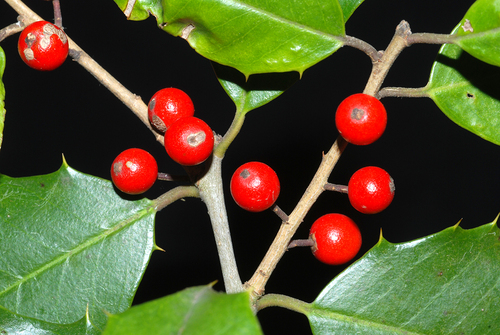
American Holly

Ilex opaca

American Holly is an evergreen shrub or tree known for its spiny, glossy leaves and bright red berries. While ornamental, the plant contains compounds that can cause gastrointestinal distress if ingested by pets.

cat

Potentially toxic

Consulted references classify the plant as toxic or irritating for that pet type.

Watch for

Vomiting, diarrhea, and depression.
dog

Potentially toxic

Consulted references classify the plant as toxic or irritating for that pet type.

Watch for

Vomiting, diarrhea, and depression.

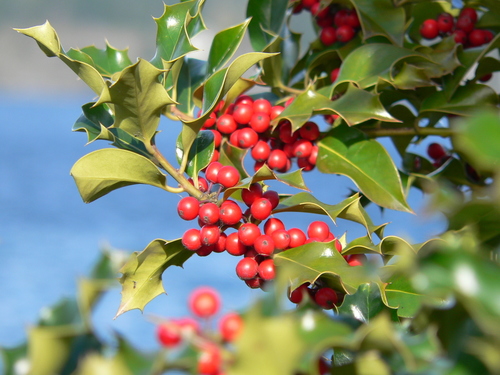
English Holly

Ilex aquifolium

English Holly is an evergreen shrub or tree known for its glossy, spiny leaves and bright red berries. While ornamental, the plant contains compounds that can cause gastrointestinal distress if ingested by pets.

cat

Potentially toxic

Consulted references classify the plant as toxic or irritating for that pet type.

Watch for

Vomiting, diarrhea, and depression.

dog

Potentially toxic

Consulted references classify the plant as toxic or irritating for that pet type.

Watch for

Vomiting, diarrhea, and drooling.