Cats
UncertainIdentity or evidence quality is not strong enough for a firm answer.
Verified against ASPCA/provenance audit 2026-05-06 on May 6, 2026.
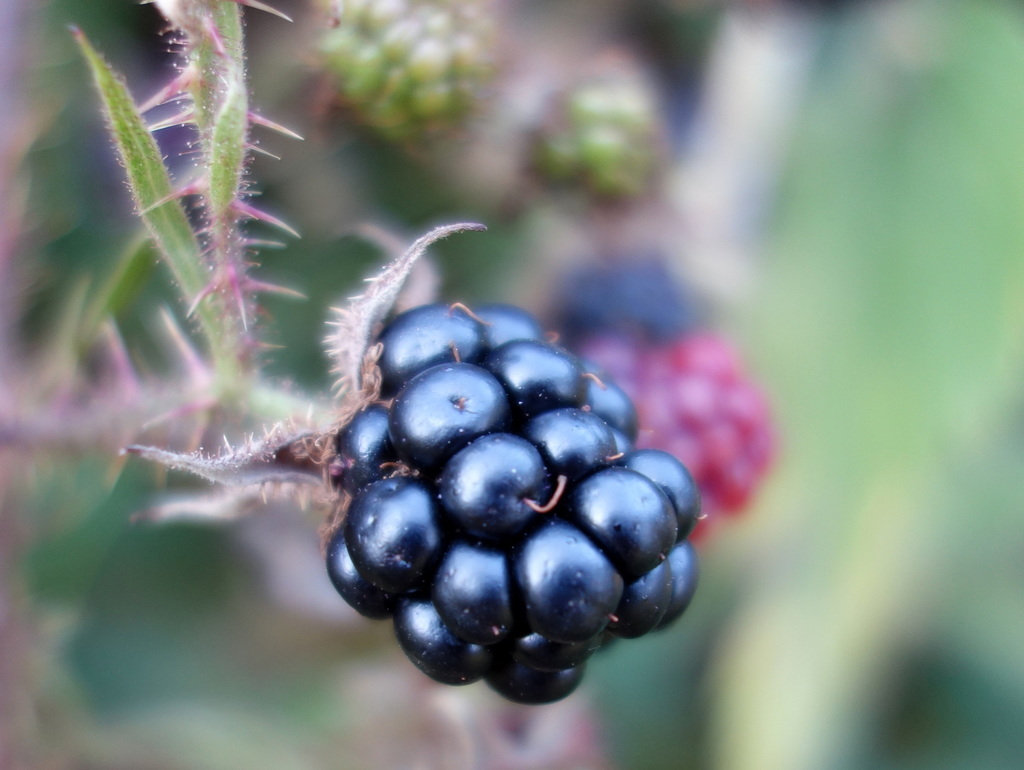
Rubus pedatus
Creeping Rubus is a low-growing, mat-forming perennial groundcover known for its delicate foliage and trailing habit. It is considered non-toxic to pets, though ingestion of large amounts of fibrous plant material may cause mild digestive discomfort.
Safety status
Cats
UncertainIdentity or evidence quality is not strong enough for a firm answer.
Verified against ASPCA/provenance audit 2026-05-06 on May 6, 2026.
Cats are in the clear here. ASPCA classifies Creeping Rubus as non-toxic to cats — and to dogs and horses — with no toxic principle on file for this trailing native bramble.
Sources: ASPCA.
If a pet has chewed or swallowed plant material and is showing symptoms, contact a veterinarian or poison resource immediately. This product is for structured reference, not diagnosis.
Cats — concern notes
Common signs
Under review — original classification flagged as a likely labeler error pending curator verification.
Escalation note
Under review — original classification flagged as a likely labeler error pending curator verification.
Safer alternatives
No hand-picked alternatives for this plant yet. You can still pick your own using the Compare button on any other plant.
ASPCA Toxic and Non-Toxic Plants List
toxicology · 99% reliability
Creeping Rubus is listed as non-toxic to both cats and dogs.
Kew Plants of the World Online: Rubus pedatus
botanical · 95% reliability
Accepted botanical classification for Rubus pedatus.
The original classification was flagged during a provenance audit in May 2026 as a likely labeler error, meaning the source data may have been misattributed or mislabeled. The classification remains under curator review, and until it is resolved the plant cannot be confidently placed in either the non-toxic or toxic category for cats.
The safety status of Creeping Rubus (Rubus pedatus) for cats is currently uncertain. The plant's toxicity classification has been flagged as a likely labeling error and is pending curator verification, so no confirmed safety determination is available. Until the review is complete, treat any ingestion as a reason to contact your vet.
Specific documented symptoms for cats and Creeping Rubus are not available — the classification is under active review and the symptom data has not been verified. If your cat has eaten this plant, monitor for general signs of GI upset such as vomiting, drooling, or lethargy, and report them to your vet promptly.
Contact your veterinarian or the ASPCA Animal Poison Control Center at (888) 426-4435 right away. Because the plant's toxicity classification is currently uncertain — flagged as a potential labeling error — there is no verified guidance on safe ingestion amounts or expected outcomes, so professional advice is the safest step.
Same cat verdict
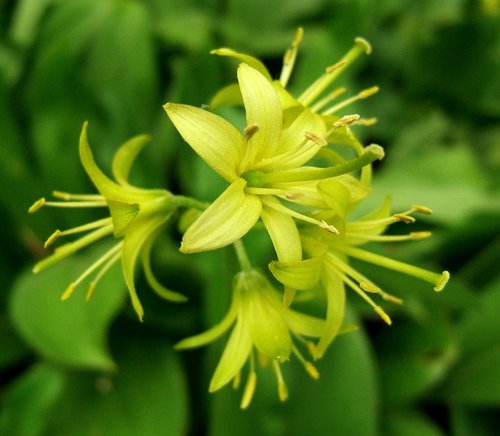
Clintonia borealis is a woodland perennial known for its glossy leaves and striking blue berries. While generally considered safe for pets, it is not intended for consumption.
Uncertain for cats & dogs.
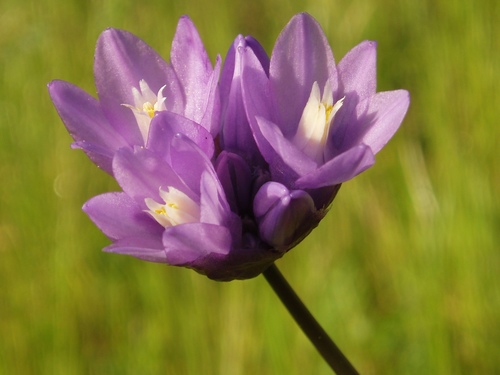
Dichelostemma pulchellum is a cormous perennial wildflower native to western North America, known for its clusters of violet-blue, tubular flowers. It is considered non-toxic to pets, though its fibrous nature may cause minor digestive discomfort if consumed in large quantities.
Uncertain for cats & dogs.
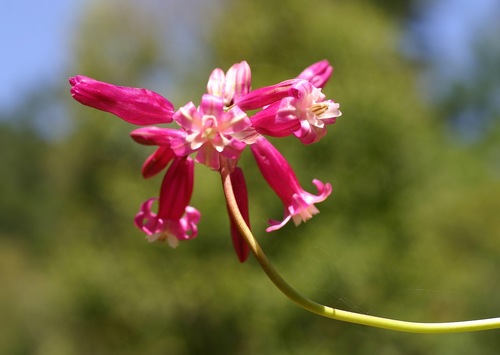
Dichelostemma is a genus of flowering corms in the asparagus family known for their unique, tubular, cluster-forming blooms. They are considered non-toxic to pets, though their fibrous nature may cause minor digestive discomfort if consumed in large quantities.
Uncertain for cats & dogs.
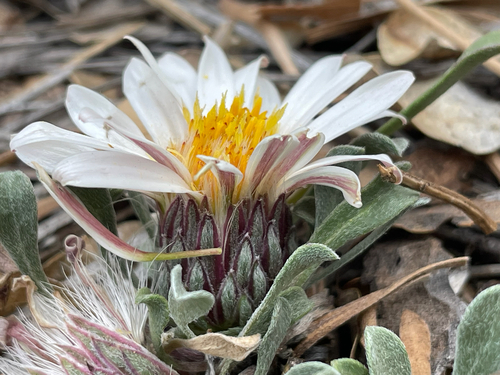
Easter Daisy is a low-growing, hardy perennial wildflower native to the western United States, known for its early spring blooms. It is considered non-toxic to pets, though large ingestions of any fibrous plant material may cause minor digestive discomfort.
Uncertain for cats & dogs.