Dogs
Potentially toxicConsulted references classify the plant as toxic or irritating for that pet type.
Verified against ASPCA/provenance audit 2026-05-06 on May 6, 2026.
Sources
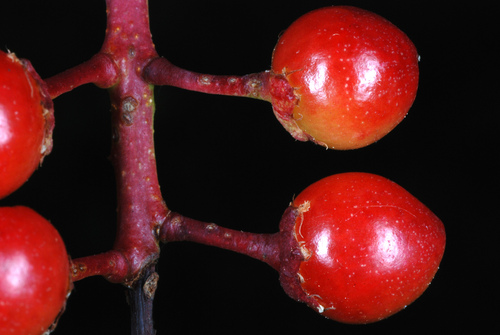
Prunus serotina
Prunus serotina is a native North American tree known for its dark, edible fruit and foliage that contains cyanogenic glycosides. Ingestion of any part of the plant, particularly the leaves and seeds, can be hazardous to pets.
Safety status
Dogs
Potentially toxicConsulted references classify the plant as toxic or irritating for that pet type.
Verified against ASPCA/provenance audit 2026-05-06 on May 6, 2026.
Sources
Dogs — toxic. Black Cherry leaves, stems, and pits contain cyanogenic glycosides that release cyanide when crushed in the mouth, with wilting branches after pruning or storms being especially dangerous. Dogs that swallow a whole pit usually pass it; the real risk is when they chew leaves or crack pits open.
Bright-red gums (turning bluish as poisoning progresses), dilated pupils, rapid panting or difficulty breathing, drooling, vomiting, watery eyes, and obvious anxiety or excitement that gives way to weakness, staggering, collapse, muscle spasms, and seizures.
High-dose ingestion can produce signs within minutes and death within 1–2 hours; smaller doses may not show signs for up to 24 hours. Dogs that reach treatment quickly typically recover within a day or two with supportive care.
Call your vet or the ASPCA APCC (888-426-4435) immediately on any suspicion. If your dog is panting hard, gums look bright-red or blue, or you see staggering or collapse, drive to the nearest emergency vet now — cyanide is treatable but only with prompt antidote and oxygen.
Per Pet Poison Helpline, do not delay transport to wait out symptoms and do not induce vomiting at home without first speaking to a poison control specialist or veterinarian. Bring a sample of what was chewed (leaves, twigs, or pits) so the vet can confirm the dose.
Sources: ASPCA, Pet Poison Helpline.
If a pet has chewed or swallowed plant material and is showing symptoms, contact a veterinarian or poison resource immediately. This product is for structured reference, not diagnosis.
Dogs — concern notes
Common signs
Excessive drooling, vomiting, labored breathing, weakness, and potential seizures.
Escalation note
The plant material can cause cyanide poisoning, which is life-threatening. Immediate veterinary intervention is required if your dog consumes any part of this tree.
Safer alternatives
No hand-picked alternatives for this plant yet. You can still pick your own using the Compare button on any other plant.
ASPCA Toxic Plant List
toxicology · 99% reliability
Black Cherry is listed as toxic to cats and dogs due to the presence of cyanogenic glycosides.
Yes, Black Cherry is potentially toxic to dogs. All parts of the tree — leaves, seeds, twigs, and bark — contain cyanogenic glycosides that can cause cyanide poisoning, which is life-threatening without prompt treatment.
Watch for bright-red gums (turning bluish as poisoning progresses), dilated pupils, rapid panting or labored breathing, excessive drooling, vomiting, watery eyes, and agitation that gives way to weakness, staggering, collapse, muscle spasms, and seizures.
A high-dose ingestion can produce signs within minutes and be fatal within 1–2 hours; smaller amounts may not show signs for up to 24 hours. Dogs that reach veterinary treatment quickly typically recover within a day or two with supportive care and antidote.
Call your vet or the ASPCA Animal Poison Control Center (888-426-4435) immediately — do not wait for symptoms and do not induce vomiting without speaking to a specialist first. Bring a sample of what was chewed (leaves, twigs, or pits) so the vet can estimate the dose. If your dog is panting hard, has blue or bright-red gums, or is staggering or collapsing, drive to the nearest emergency vet now, as cyanide poisoning is treatable only with prompt antidote and oxygen.
Same dog verdict
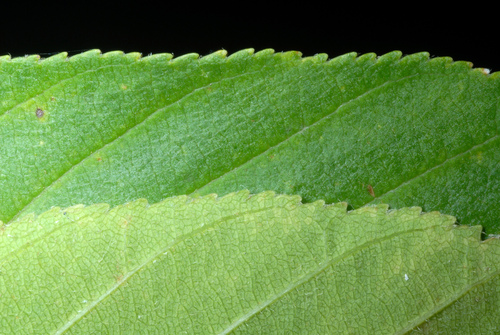
The Horse Chestnut is a deciduous tree known for its distinctive palmately compound leaves and spiky seed pods. All parts of the plant, particularly the seeds and leaves, contain saponins and glycosides that are harmful if ingested.
Potentially toxic for cats & dogs.
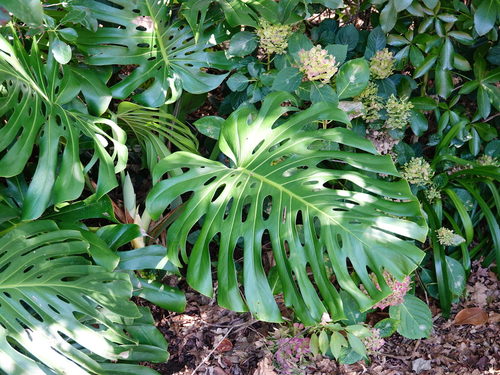
Monstera deliciosa is a popular tropical houseplant known for its large, fenestrated leaves and vining growth habit. It contains insoluble calcium oxalate crystals that can cause irritation if ingested by pets.
Potentially toxic for cats & dogs.
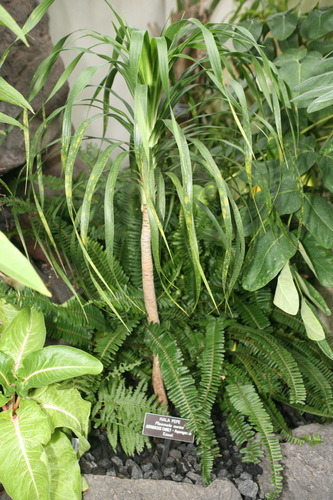
Dracaena trifasciata is a popular, hardy houseplant known for its stiff, sword-like leaves with striking yellow margins. It is widely appreciated for its air-purifying qualities and ability to thrive in various indoor conditions.
Potentially toxic for cats & dogs.