Dogs
Potentially toxicConsulted references classify the plant as toxic or irritating for that pet type.
Verified against ASPCA/provenance audit 2026-05-06 on May 6, 2026.
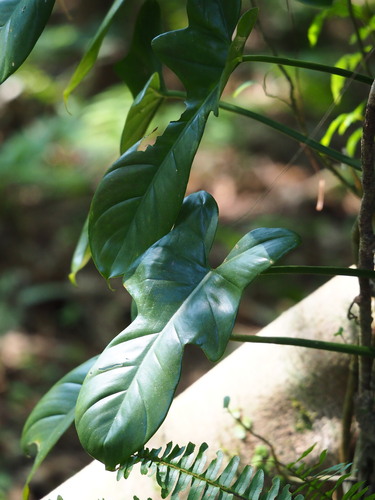
Philodendron bipennifolium
Philodendron bipennifolium is a popular vining aroid known for its unique, fiddle-shaped foliage. Like many members of the Araceae family, it contains insoluble calcium oxalate crystals that can cause irritation if ingested.
Safety status
Dogs
Potentially toxicConsulted references classify the plant as toxic or irritating for that pet type.
Verified against ASPCA/provenance audit 2026-05-06 on May 6, 2026.
Dogs: not safe, but rarely fatal. Most dogs that mouth this philodendron drop it almost immediately because the insoluble calcium oxalate crystals embedded in the leaves cause an instant burning sting — the resulting drooling, pawing at the face, and vomiting are very uncomfortable but usually self-limiting.
Profuse drooling, pawing or rubbing at the muzzle, lip and tongue swelling, vomiting, and refusal to eat. Larger ingestions can produce significant oral edema; in rare cases swelling of the upper airway makes breathing difficult, and that is the one urgent scenario.
Signs typically appear within minutes of chewing and almost always within 2 hours. Oral signs usually resolve within 12–24 hours.
Call if drooling persists past 30–60 minutes, you see swelling of the lips, tongue, or face, your dog can't or won't eat, vomiting recurs, or there is any change in breathing or voice.
Wipe any plant material out of the mouth and offer milk, tuna water, or chicken broth — the calcium in dairy and the dilution help neutralize the oxalate burn. Do not induce vomiting; bringing the crystals back up only causes more tissue damage.
Sources: ASPCA, Pet Poison Helpline.
If a pet has chewed or swallowed plant material and is showing symptoms, contact a veterinarian or poison resource immediately. This product is for structured reference, not diagnosis.
Dogs — concern notes
Common signs
Oral irritation, intense burning and irritation of mouth, tongue and lips, excessive drooling, vomiting, and difficulty swallowing.
Escalation note
While rarely fatal, the physical irritation can cause significant distress. Always consult a veterinarian if you suspect your dog has chewed or swallowed plant material.
Safer alternatives
No hand-picked alternatives for this plant yet. You can still pick your own using the Compare button on any other plant.
Yes, Philodendron bipennifolium is toxic to dogs. It contains insoluble calcium oxalate crystals that cause immediate oral irritation, intense burning of the mouth, tongue, and lips, excessive drooling, vomiting, and difficulty swallowing.
Signs typically appear within minutes of chewing: profuse drooling, pawing or rubbing at the muzzle, lip and tongue swelling, vomiting, and refusal to eat. Oral symptoms almost always appear within 2 hours and usually resolve within 12–24 hours, though larger ingestions can cause significant oral swelling.
Wipe any plant material out of your dog's mouth, then offer milk, tuna water, or chicken broth — the calcium in dairy and the dilution help neutralize the oxalate burn. Do not induce vomiting; bringing the crystals back up causes additional tissue damage. Call the ASPCA Animal Poison Control at (888) 426-4435 if symptoms persist or worsen.
Call your vet if drooling persists past 30–60 minutes, you notice swelling of the lips, tongue, or face, vomiting recurs, or your dog won't eat. The one truly urgent scenario is any change in breathing or voice, which can signal airway swelling and requires immediate veterinary attention.
Same dog verdict
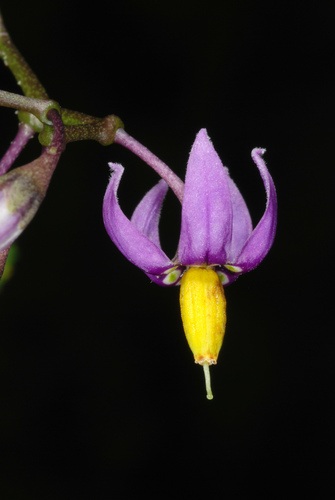
Climbing Nightshade is a perennial vine in the nightshade family known for its star-shaped purple flowers and bright red berries. It contains solanine alkaloids that are harmful to pets if ingested.
Potentially toxic for cats & dogs.
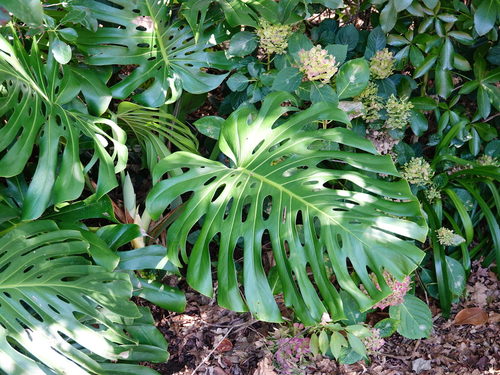
Monstera deliciosa is a popular tropical houseplant known for its large, fenestrated leaves and vining growth habit. It contains insoluble calcium oxalate crystals that can cause irritation if ingested by pets.
Potentially toxic for cats & dogs.
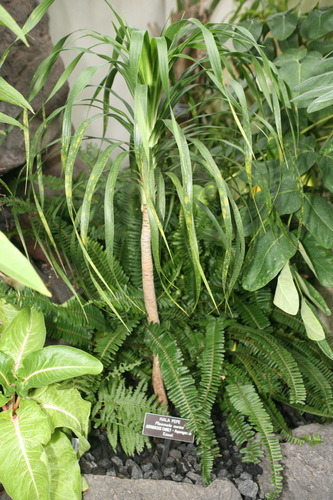
Dracaena trifasciata is a popular, hardy houseplant known for its stiff, sword-like leaves with striking yellow margins. It is widely appreciated for its air-purifying qualities and ability to thrive in various indoor conditions.
Potentially toxic for cats & dogs.
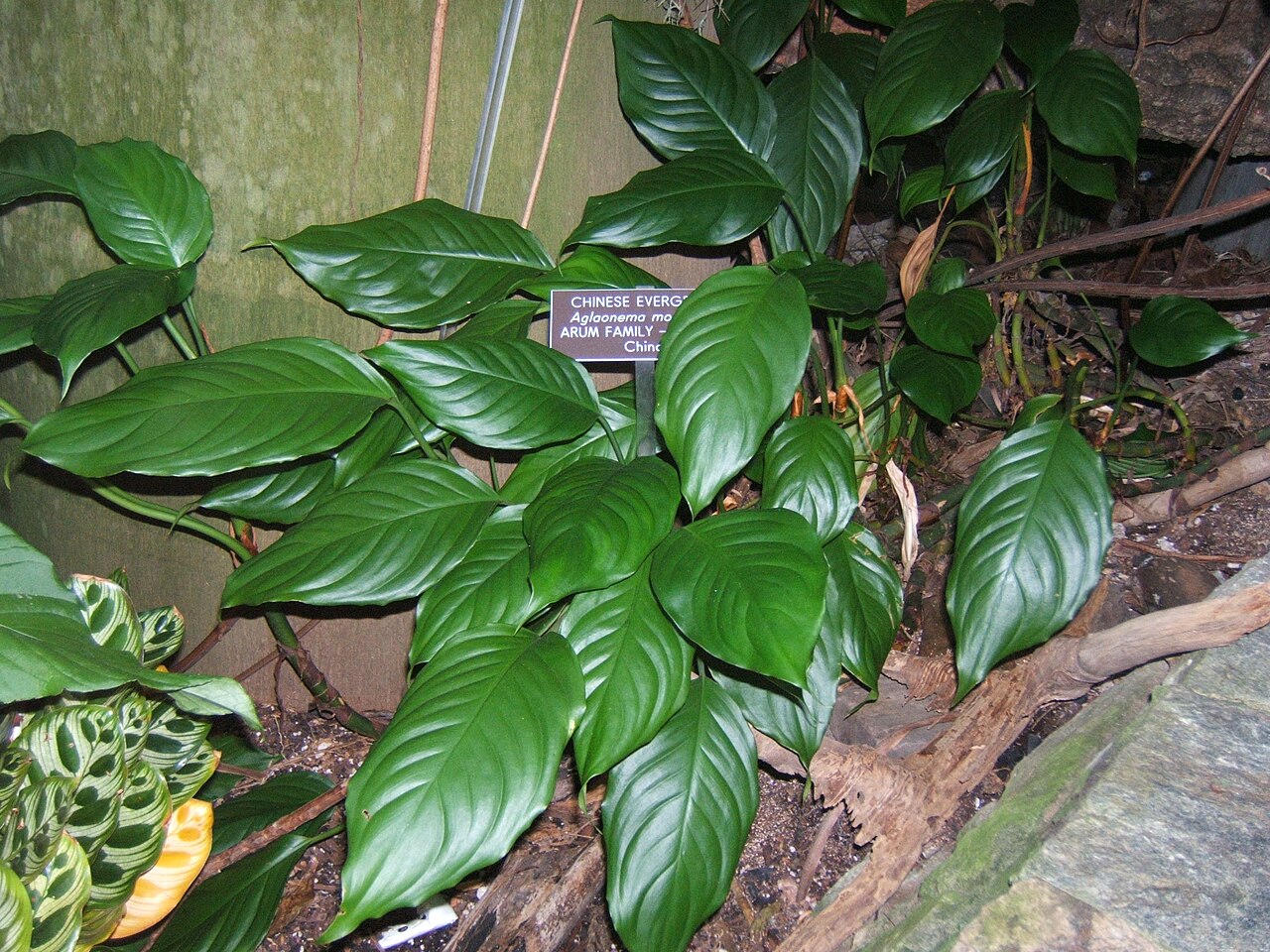
Chinese Evergreen is a popular indoor foliage plant known for its patterned leaves and tolerance of low light conditions. It contains insoluble calcium oxalate crystals that can cause irritation if ingested or chewed.
Potentially toxic for cats & dogs.