Cats
Potentially toxicConsulted references classify the plant as toxic or irritating for that pet type.
Verified against ASPCA/provenance audit 2026-05-06 on May 6, 2026.
Sources
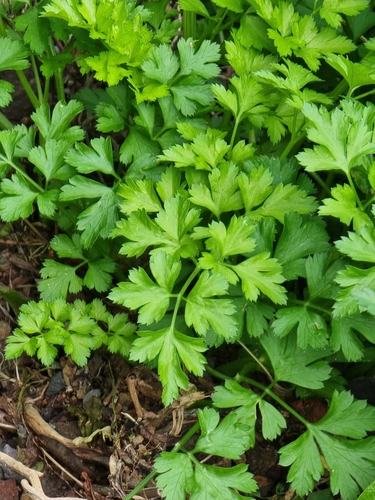
Petroselinum crispum
Parsley is a popular culinary herb that contains furanocoumarins and psoralens, which can cause photosensitivity in pets if ingested in large quantities. While commonly used in human cooking, it is considered toxic to both cats and dogs.
Safety status
Cats
Potentially toxicConsulted references classify the plant as toxic or irritating for that pet type.
Verified against ASPCA/provenance audit 2026-05-06 on May 6, 2026.
Sources
Parsley is on the ASPCA's toxic list for cats, but the practical risk is fairly mild. The furanocoumarins it contains can cause photosensitization (sunburn-like skin reactions and dermatitis), but this generally only happens after a cat eats a substantial amount.
Watch for skin redness, irritation, or sunburn-like patches — especially on lightly furred areas (ear tips, nose, belly) after sun exposure. Mild GI upset (drool, soft stool, brief vomiting) is also possible after a larger nibble.
Skin reactions can develop after sun exposure in the day(s) following a large ingestion; specific timing isn't well documented in the ASPCA listing.
Call your vet or ASPCA Poison Control (888-426-4435) if your cat ate a substantial amount of fresh parsley, or if you see persistent skin redness, blistering, or signs of pain in the day or two after exposure. A small chew of garnish-sized parsley typically doesn't require an emergency call.
Remove any remaining parsley from reach, rinse the mouth gently with water, and limit your cat's sun exposure for the next 24-48 hours if you're concerned about photosensitization. Do not induce vomiting at home — Pet Poison Helpline cautions against unsupervised home emesis.
Sources: ASPCA, Pet Poison Helpline.
If a pet has chewed or swallowed plant material and is showing symptoms, contact a veterinarian or poison resource immediately. This product is for structured reference, not diagnosis.
Cats — concern notes
Common signs
Dermatitis, photosensitivity, and potential skin irritation upon contact or ingestion.
Escalation note
Symptoms are generally mild but can be uncomfortable; contact your veterinarian if your cat shows signs of skin sensitivity or digestive distress.
Safer alternatives
No hand-picked alternatives for this plant yet. You can still pick your own using the Compare button on any other plant.
ASPCA Toxic Plant List
toxicology · 99% reliability
Parsley is listed as toxic to dogs and cats due to the presence of furanocoumarins.
NC State Extension Plant Toolbox
botanical · 94% reliability
Petroselinum crispum is a biennial herb widely cultivated for its leaves, but it is noted for potential toxicity in pets.
Yes, parsley (Petroselinum crispum) is considered toxic to cats. It contains furanocoumarins and psoralens that can cause photosensitivity and skin irritation, particularly after large ingestions. A small nibble of garnish-sized parsley is unlikely to cause a serious problem, but it should not be a regular part of your cat's diet.
The primary concerns are dermatitis, photosensitivity, and skin irritation — especially on lightly furred areas like ear tips, the nose, and belly — after sun exposure following a large ingestion. Mild GI upset such as drooling, soft stool, or brief vomiting is also possible. Skin reactions can develop over the day or two after a significant amount is eaten.
Remove any remaining parsley from reach, rinse your cat's mouth gently with water, and limit sun exposure for the next 24–48 hours to reduce the risk of photosensitization. Do not induce vomiting at home. Call your vet or ASPCA Animal Poison Control (888) 426-4435 if your cat ate a substantial amount or if you notice skin redness, blistering, or signs of pain.
The furanocoumarins and psoralens found throughout the parsley plant — leaves, stems, and seeds — are the compounds responsible for photosensitivity reactions. These substances make the skin more sensitive to UV light, so the combination of ingestion and subsequent sun exposure is what typically triggers visible skin symptoms.
Same cat verdict
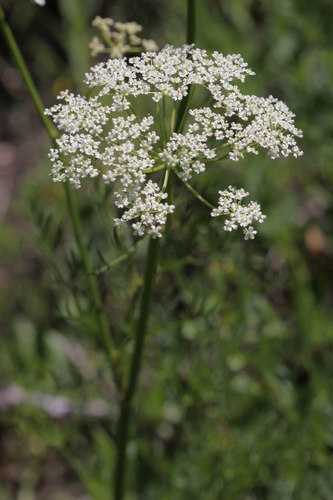
Carum carvi is a biennial herb in the Apiaceae family widely cultivated for its aromatic seeds. While commonly used in culinary applications, ingestion of the plant in large quantities may cause adverse reactions in pets.
Potentially toxic for cats & dogs.
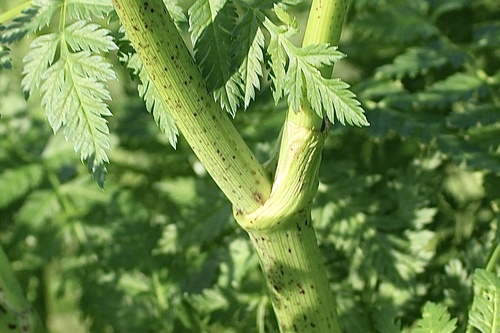
Poison Hemlock is a highly dangerous biennial herb containing potent piperidine alkaloids that affect the nervous system. It is considered one of the most toxic plants and should be strictly avoided in any environment accessible to pets.
Potentially toxic for cats & dogs.
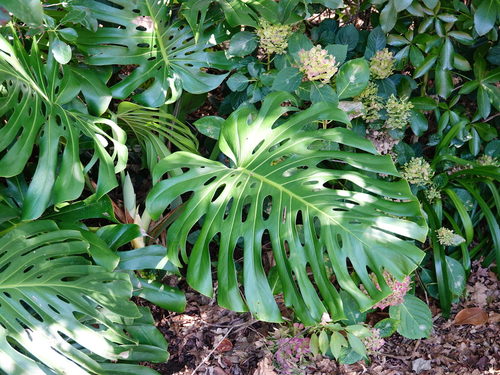
Monstera deliciosa is a popular tropical houseplant known for its large, fenestrated leaves and vining growth habit. It contains insoluble calcium oxalate crystals that can cause irritation if ingested by pets.
Potentially toxic for cats & dogs.
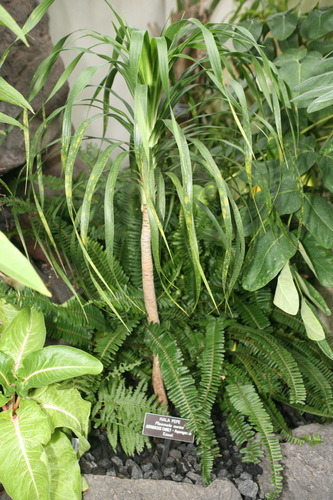
Dracaena trifasciata is a popular, hardy houseplant known for its stiff, sword-like leaves with striking yellow margins. It is widely appreciated for its air-purifying qualities and ability to thrive in various indoor conditions.
Potentially toxic for cats & dogs.