Dogs
Generally safeConsulted references do not classify the plant as toxic for that pet type, while still allowing for mild GI upset if large amounts are chewed.
Verified against ASPCA/provenance audit 2026-05-06 on May 6, 2026.
Sources
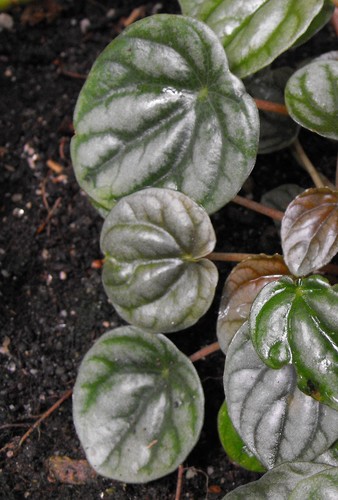
Peperomia griseoargentea
Ivy Peperomia is a popular, compact houseplant known for its textured, heart-shaped leaves and ease of care. It is considered non-toxic to pets, though ingestion of large amounts of plant material may cause mild digestive discomfort.
Safety status
Dogs
Generally safeConsulted references do not classify the plant as toxic for that pet type, while still allowing for mild GI upset if large amounts are chewed.
Verified against ASPCA/provenance audit 2026-05-06 on May 6, 2026.
Sources
If a pet has chewed or swallowed plant material and is showing symptoms, contact a veterinarian or poison resource immediately. This product is for structured reference, not diagnosis.
Dogs — concern notes
Common signs
Generally none; however, ingestion of large quantities may result in mild vomiting or diarrhea due to the fibrous nature of the leaves.
Escalation note
Considered non-toxic. If your dog consumes a significant amount and shows persistent signs of distress, contact your veterinarian.
Safer alternatives
No hand-picked alternatives for this plant yet. You can still pick your own using the Compare button on any other plant.
ASPCA Toxic Plant List
toxicology · 99% reliability
Ivy Peperomia is listed as non-toxic to both cats and dogs.
NC State Extension Plant Toolbox
botanical · 94% reliability
Peperomia griseoargentea is a low-maintenance, non-toxic houseplant suitable for indoor environments.
Ivy Peperomia (Peperomia griseoargentea) is considered non-toxic to dogs. It is classified as generally safe, meaning it is not expected to cause poisoning or serious harm if your dog chews on or ingests it.
Most dogs will have no reaction at all. If your dog eats a large quantity of the plant, the fibrous leaves may cause mild, temporary vomiting or diarrhea due to digestive irritation rather than any toxic compound.
A small nibble is very unlikely to cause any problem. If your dog consumed a significant amount and is showing persistent vomiting, diarrhea, or signs of distress that don't resolve on their own, contact your veterinarian to be safe.
Non-toxic means the plant does not contain compounds known to poison dogs, but that does not make it a suitable food. Large ingestions of any fibrous plant material can upset a dog's stomach, so it is still best to discourage chewing on houseplants.
Same genus
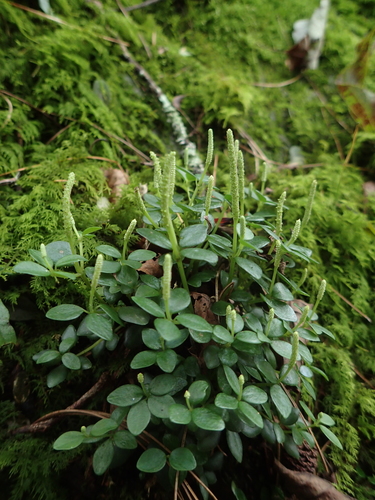
The American Rubber Plant is a popular, low-maintenance houseplant known for its thick, succulent-like leaves. It is considered non-toxic to pets, though ingestion of large amounts of plant material may cause minor digestive discomfort.
Generally safe for cats & dogs.
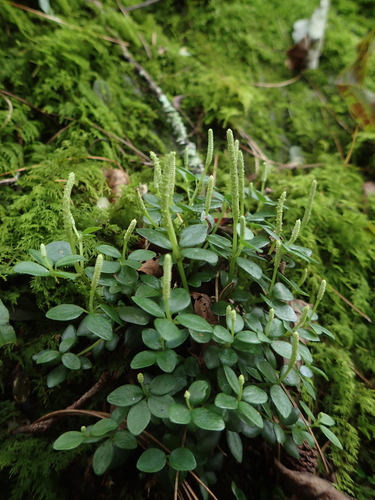
Peperomia is a diverse genus of popular, low-maintenance houseplants known for their thick, succulent-like foliage and compact growth habit. They are generally considered safe for households with pets, though individual plant parts can cause minor digestive discomfort if consumed in large quantities.
Generally safe for cats.
Not yet rated for dogs.
The Emerald Ripple Peperomia is a popular, compact houseplant known for its deeply textured, heart-shaped leaves and ease of care. It is considered non-toxic to pets, making it a safe choice for households with cats and dogs.
Generally safe for cats & dogs.
Leather Peperomia is a popular, low-maintenance succulent-like houseplant known for its thick, fleshy, spoon-shaped leaves. It is considered non-toxic to pets, though ingestion of large amounts of plant material may cause mild digestive discomfort.
Generally safe for cats & dogs.
Same growing conditions
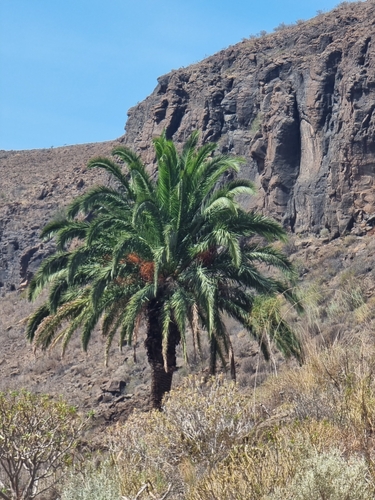
The Dwarf Date Palm is a slow-growing, stemless palm species native to the grasslands of India. It is widely appreciated for its compact, architectural foliage that mimics the appearance of larger date palms in a miniature form.
Generally safe for cats & dogs.
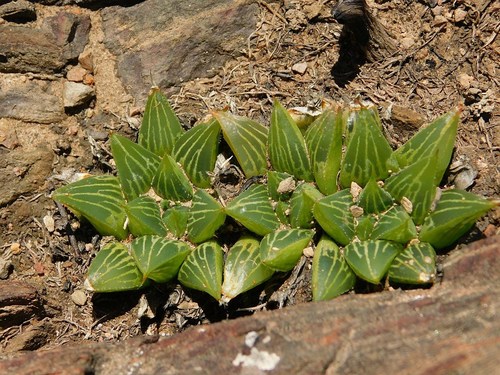
Haworthia is a genus of small, succulent plants known for their rosette-forming leaves and ease of care. They are generally considered safe for households with pets.
Generally safe for cats.
Not yet rated for dogs.
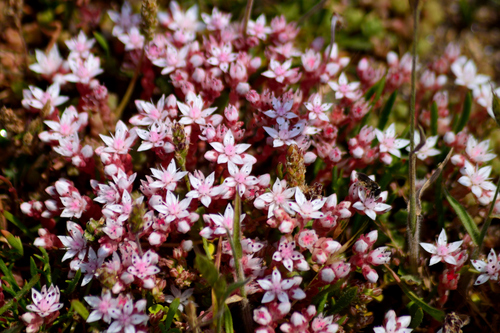
Burro's Tail is a popular trailing succulent known for its dense, fleshy, blue-green leaves that resemble braided tails. It is considered non-toxic to pets, though its fibrous nature may cause minor digestive discomfort if consumed in large quantities.
Generally safe for cats & dogs.

Stapelia hirsuta is a unique succulent known for its star-shaped, hairy flowers that emit a faint odor to attract pollinators. It is considered safe for households with pets, though its fibrous stems may cause minor digestive discomfort if consumed in large quantities.
Generally safe for cats & dogs.