Cats
Generally safeConsulted references do not classify the plant as toxic for that pet type, while still allowing for mild GI upset if large amounts are chewed.
Verified against ASPCA/provenance audit 2026-05-06 on May 6, 2026.
Sources
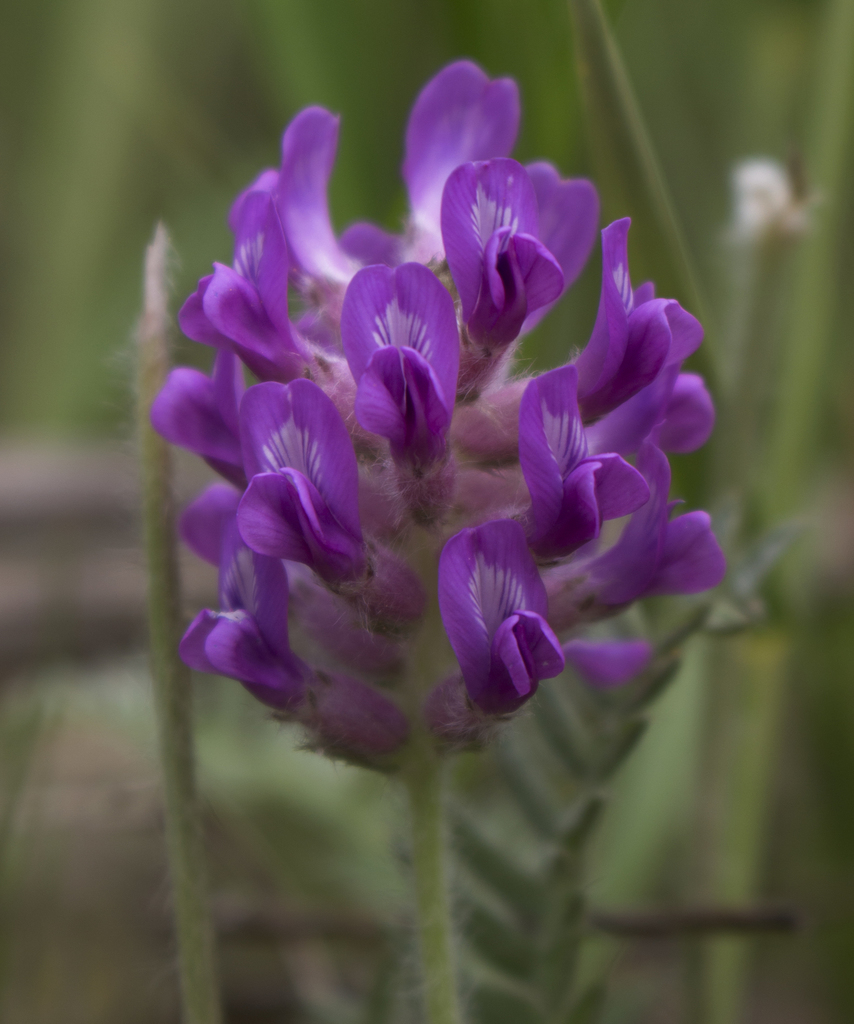
Oxytropis spp.
Loco Weed is a genus of perennial plants often found in wild, open landscapes. While generally considered non-toxic to pets, ingestion of large amounts of fibrous plant material may cause mild digestive discomfort.
Safety status
Cats
Generally safeConsulted references do not classify the plant as toxic for that pet type, while still allowing for mild GI upset if large amounts are chewed.
Verified against ASPCA/provenance audit 2026-05-06 on May 6, 2026.
Sources
If a pet has chewed or swallowed plant material and is showing symptoms, contact a veterinarian or poison resource immediately. This product is for structured reference, not diagnosis.
Cats — concern notes
Common signs
No specific toxicity symptoms are expected, though chewing or swallowing plant material may still cause mild stomach upset.
Escalation note
This plant is listed by ASPCA as non-toxic for this pet. Monitor for digestive upset after large ingestion and contact a veterinarian if symptoms persist.
Safer alternatives
No hand-picked alternatives for this plant yet. You can still pick your own using the Compare button on any other plant.
ASPCA Toxic Plant List
toxicology · 99% reliability
Loco Weed is listed as non-toxic to both cats and dogs by the ASPCA.
Plants of the World Online - Oxytropis
botanical · 95% reliability
Provides the accepted botanical classification for the genus Oxytropis.
Loco weed (Oxytropis spp.) is listed as non-toxic to cats by the ASPCA, so it is not expected to cause serious harm. That said, non-toxic does not mean harmless — chewing or swallowing significant amounts of fibrous plant material can still cause mild stomach upset.
No specific toxicity symptoms are documented for cats and loco weed. If your cat eats a small amount, mild digestive discomfort such as vomiting or loose stools is the most likely outcome; serious illness is not expected.
Monitor your cat for signs of digestive upset — vomiting, diarrhea, or lethargy — especially after a large ingestion. Contact your veterinarian if symptoms appear or persist, since even non-toxic plants can cause GI irritation in quantity.
Yes — while the plant is classified as non-toxic, large amounts of any fibrous plant material can overwhelm a cat's digestive system and cause stomach upset. A nibble is unlikely to cause any issue, but a sustained chewing session is more likely to result in vomiting or GI discomfort.
Same growing conditions
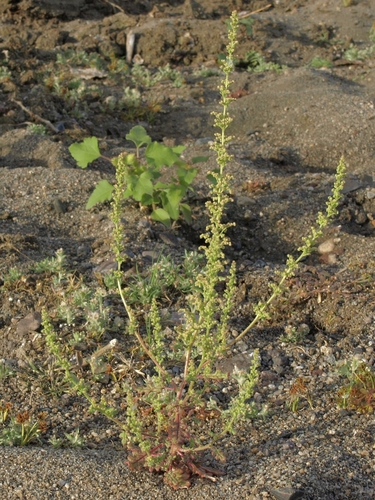
Chenopodium botrys is an aromatic annual herb often grown for its unique scent and foliage. It contains compounds that can cause gastrointestinal distress if ingested by pets.
Potentially toxic for cats & dogs.
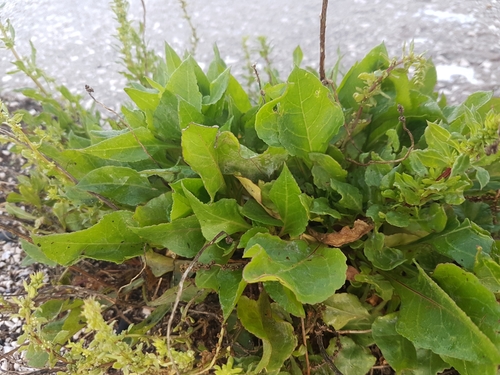
Beta vulgaris is a widely cultivated vegetable known for its edible taproot and leafy greens. It is considered safe for household pets, though large ingestions of fibrous plant material may occasionally cause minor digestive discomfort.
Generally safe for cats & dogs.
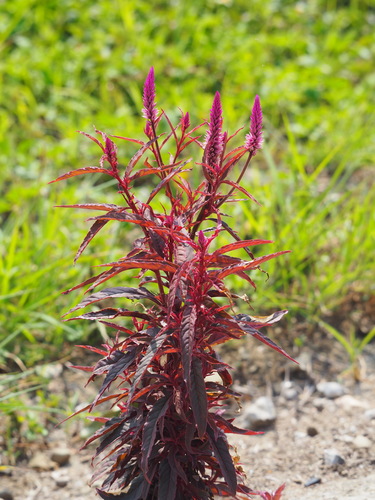
Celosia is a popular ornamental plant known for its vibrant, feathery, or plume-like flower spikes. It is widely considered safe for households with pets, though ingestion of large amounts of fibrous plant material may cause minor digestive discomfort.
Generally safe for cats & dogs.
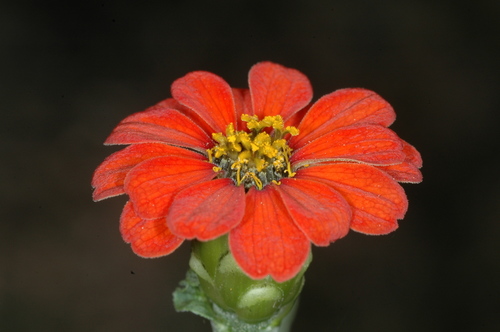
Zinnias are popular, colorful annual flowers known for their ease of growth and vibrant blooms in garden beds and containers. They are considered non-toxic to pets, though ingestion of large amounts of plant material may cause minor digestive discomfort.
Generally safe for cats & dogs.