Cats
Potentially toxicConsulted references classify the plant as toxic or irritating for that pet type.
Verified against ASPCA/provenance audit 2026-05-06 on May 6, 2026.
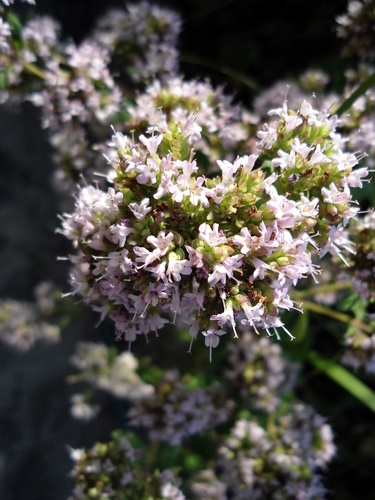
Origanum majorana
Marjoram is a popular culinary herb often grown in kitchen gardens or as a potted plant. While widely used in cooking, ingestion of large quantities by pets can lead to gastrointestinal distress.
Safety status
Cats
Potentially toxicConsulted references classify the plant as toxic or irritating for that pet type.
Verified against ASPCA/provenance audit 2026-05-06 on May 6, 2026.
Cats nibbling on a marjoram plant generally end up with mild stomach upset, not a poisoning emergency. ASPCA lists this Lamiaceae herb as toxic to cats because its essential oils irritate the gut, but reactions are usually self-limiting. Cats are more sensitive to phenolic essential oils than dogs are, so concentrated marjoram oil — not the kitchen herb — is the bigger concern.
Mild vomiting and/or diarrhea are the main signs. Some cats also show drooling, lip-smacking, or a brief loss of appetite after chewing leaves. Look for ongoing vomiting, lethargy, or refusal to eat that lasts more than a few hours.
GI signs typically appear within 1–6 hours of ingestion and resolve within 12–24 hours with simple supportive care. Exact onset and duration are not separately documented for cats on the cited source.
Call your vet if vomiting or diarrhea continues past 12 hours, if your cat seems lethargic or stops eating, or if a young or small cat ate a large amount. For concentrated marjoram essential oil exposure (skin or oral), call right away.
Sources: ASPCA (no first-aid guidance).
If a pet has chewed or swallowed plant material and is showing symptoms, contact a veterinarian or poison resource immediately. This product is for structured reference, not diagnosis.
Cats — concern notes
Common signs
Vomiting, diarrhea, and potential gastrointestinal irritation.
Escalation note
Symptoms are typically mild to moderate. If your cat has ingested a significant amount of the plant, please contact your veterinarian for guidance.
Safer alternatives
No hand-picked alternatives for this plant yet. You can still pick your own using the Compare button on any other plant.
NC State Extension Plant Toolbox
botanical · 94% reliability
Origanum majorana is a tender perennial herb often grown as an annual, valued for its aromatic leaves.
Yes, sweet marjoram (Origanum majorana) is considered potentially toxic to cats. Ingestion can cause vomiting, diarrhea, and gastrointestinal irritation, though symptoms are typically mild to moderate.
The most common signs are vomiting and diarrhea, usually appearing within 1–6 hours of ingestion. Some cats also drool, lip-smack, or briefly lose their appetite after chewing the leaves. Symptoms generally resolve within 12–24 hours with supportive care.
Monitor your cat closely for vomiting, diarrhea, or lethargy. If symptoms continue past 12 hours, your cat stops eating, or a young or small cat ate a large amount, call your vet. For any exposure to concentrated marjoram essential oil — whether on the skin or ingested — call immediately. You can also reach the ASPCA Animal Poison Control Center at (888) 426-4435.
Plain herb ingestion is typically a low-level concern, but escalate quickly if your cat is small or young and ate a large quantity, if vomiting or lethargy persists beyond a few hours, or if the exposure involved concentrated marjoram essential oil rather than fresh or dried leaves, as the oil form poses a higher risk.
Same cat verdict
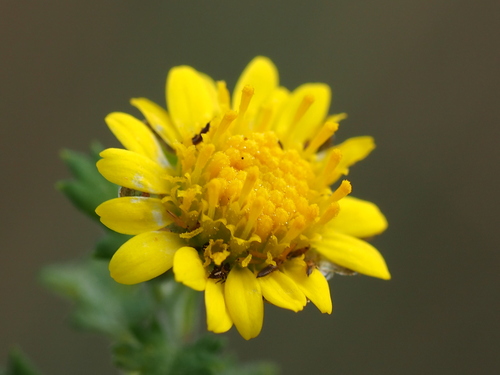
Chrysanthemums are popular flowering perennials containing pyrethrins and other compounds that can cause irritation upon contact or ingestion. They are widely recognized as toxic to common household pets.
Potentially toxic for cats & dogs.
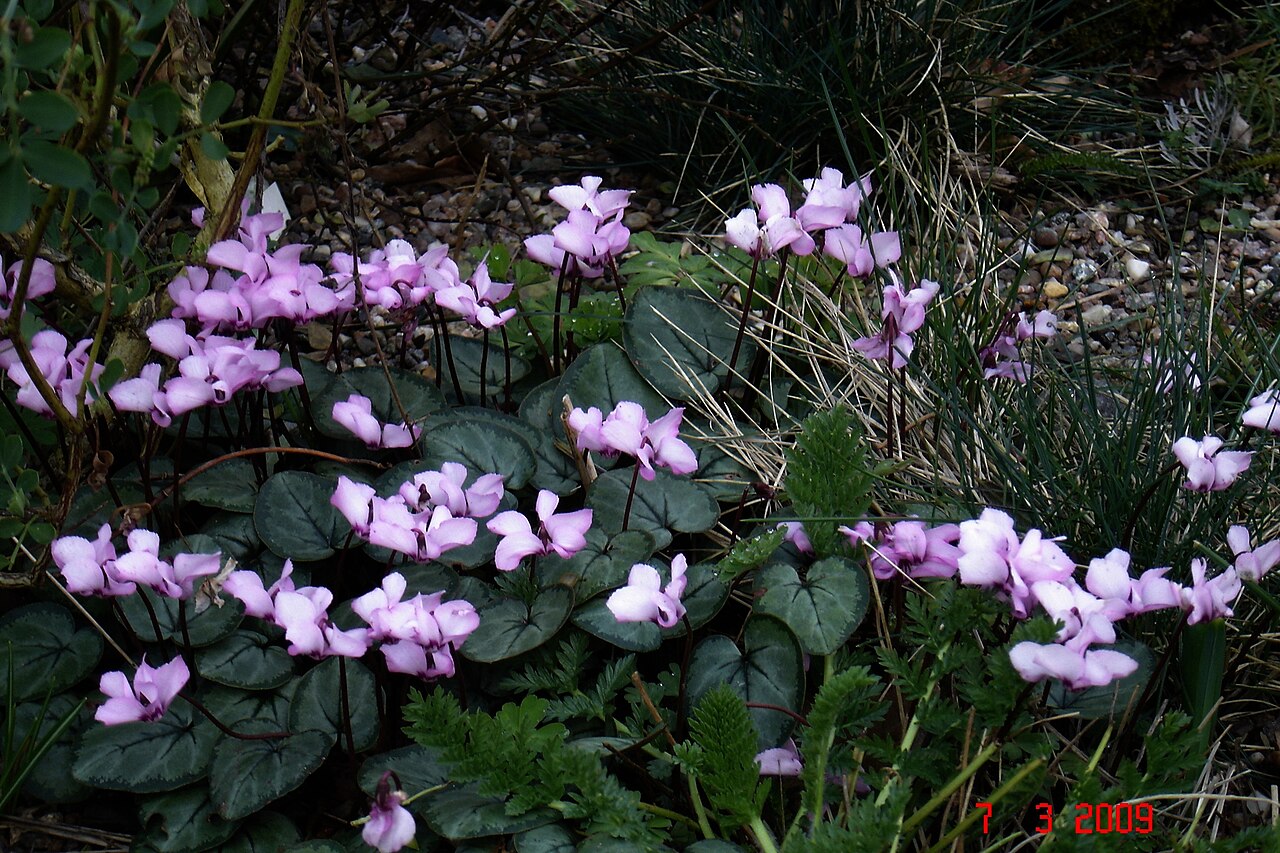
Cyclamen is a popular flowering tuberous plant known for its upswept petals and patterned foliage. It contains triterpenoid saponins which are concentrated in the roots and can cause significant irritation if ingested by pets.
Potentially toxic for cats & dogs.
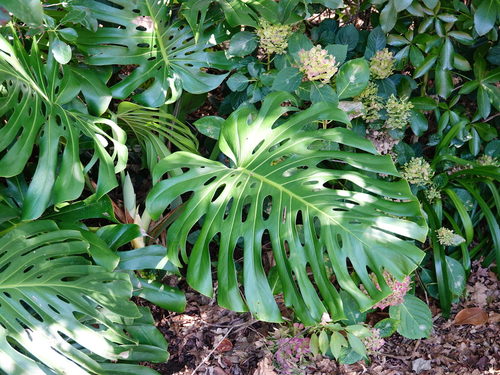
Monstera deliciosa is a popular tropical houseplant known for its large, fenestrated leaves and vining growth habit. It contains insoluble calcium oxalate crystals that can cause irritation if ingested by pets.
Potentially toxic for cats & dogs.
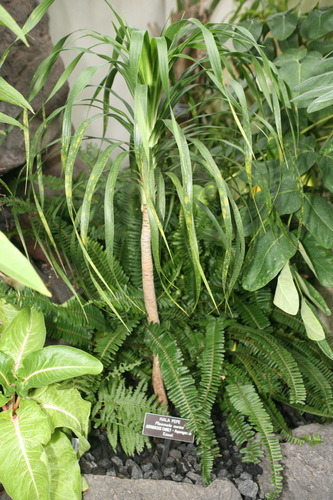
Dracaena trifasciata is a popular, hardy houseplant known for its stiff, sword-like leaves with striking yellow margins. It is widely appreciated for its air-purifying qualities and ability to thrive in various indoor conditions.
Potentially toxic for cats & dogs.