Cats
Generally safeConsulted references do not classify the plant as toxic for that pet type, while still allowing for mild GI upset if large amounts are chewed.
Verified against ASPCA/provenance audit 2026-05-06 on May 6, 2026.
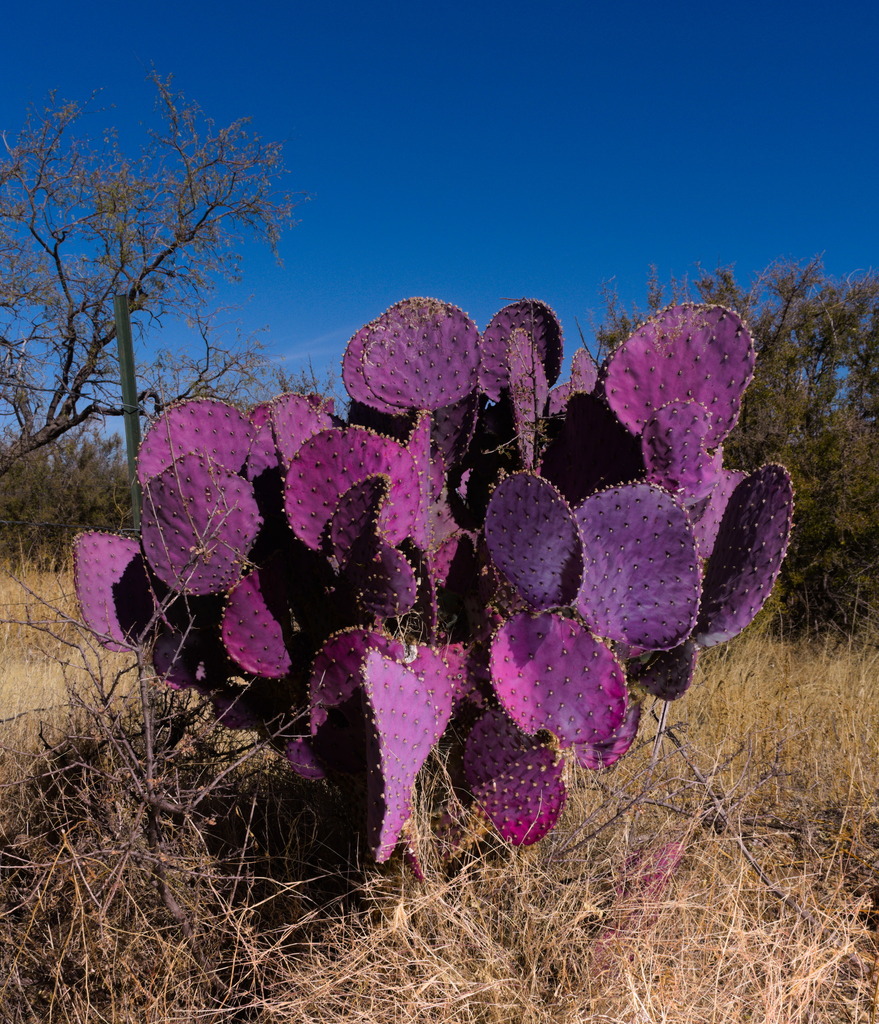
Opuntia species
Prickly pear cacti are popular succulents known for their flat, paddle-like stems and unique appearance. While they are not considered toxic, their physical structure requires caution due to potential mechanical irritation.
Safety status
Cats
Generally safeConsulted references do not classify the plant as toxic for that pet type, while still allowing for mild GI upset if large amounts are chewed.
Verified against ASPCA/provenance audit 2026-05-06 on May 6, 2026.
If a pet has chewed or swallowed plant material and is showing symptoms, contact a veterinarian or poison resource immediately. This product is for structured reference, not diagnosis.
Cats — concern notes
Common signs
None expected from toxicity; however, ingestion of large amounts of fibrous material may cause mild gastrointestinal upset or vomiting.
Escalation note
The plant is non-toxic, but the physical spines or glochids can cause oral or gastric irritation if ingested. Contact a veterinarian if you observe persistent discomfort.
Safer alternatives
No hand-picked alternatives for this plant yet. You can still pick your own using the Compare button on any other plant.
ASPCA Toxic and Non-Toxic Plants List
toxicology · 99% reliability
Tree cactus is listed as non-toxic to both cats and dogs by the ASPCA.
NC State Extension Plant Toolbox: Opuntia
botanical · 94% reliability
Provides botanical identification and horticultural characteristics for the Opuntia genus.
Prickly pear cactus (Opuntia species) is not toxic to cats. The plant is classified as generally safe, meaning you won't see poisoning symptoms from the plant's chemistry — but the physical spines and tiny barbed glochids can still cause mechanical injury to your cat's mouth, paws, or eyes.
Watch for pawing at the mouth, drooling, head-shaking, or visible glochids embedded in the muzzle, lips, tongue, or front paws. If your cat ate a piece of a pad or fruit, large amounts of fibrous material can also cause mild vomiting or gastrointestinal upset.
For glochids you can clearly see and easily lift off, careful removal with tape or tweezers is a reasonable first step. Call your vet if you can't remove them, if there's swelling around the mouth or paw, if your cat is drooling persistently, or if glochids are near the eyes — glochids near the eye require professional removal.
Glochids are tiny, hair-like barbs that detach on contact and are much harder to see and remove than larger cactus spines. Because they're nearly invisible and deeply barbed, a cat grooming herself can drive them further into the skin or transfer them from paws to the mouth or face.