Dogs
Potentially toxicConsulted references classify the plant as toxic or irritating for that pet type.
Verified against ASPCA/provenance audit 2026-05-06 on May 6, 2026.
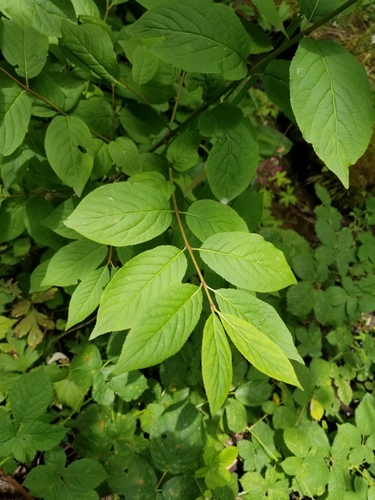
Euonymus occidentalis
Euonymus occidentalis, commonly known as the Western burning bush or Wahoo, is a deciduous shrub containing cardiac glycosides that are harmful if ingested. It is best kept out of reach of all household pets.
Safety status
Dogs
Potentially toxicConsulted references classify the plant as toxic or irritating for that pet type.
Verified against ASPCA/provenance audit 2026-05-06 on May 6, 2026.
Dogs — toxic. ASPCA lists wahoo (Euonymus) as toxic to dogs; the plant contains alkaloids and cardenolides, and the cardenolides can affect heart rhythm. Dogs that browse landscape shrubs in unfamiliar yards or chew on hedge cuttings are the typical poisoning cases.
ASPCA lists vomiting, diarrhea, abdominal pain, and weakness as the common signs in dogs. With larger doses, heart-rhythm abnormalities are possible — watch for collapse, weakness that doesn't improve, pale gums, or labored breathing.
Exact onset and duration are not well documented in the ASPCA listing.
Call your vet or ASPCA Animal Poison Control (888-426-4435) right away on suspected ingestion. Any sign of weakness, an irregular or fast heartbeat, or vomiting that doesn't stop is reason to seek care immediately.
Sources: ASPCA (no first-aid guidance).
If a pet has chewed or swallowed plant material and is showing symptoms, contact a veterinarian or poison resource immediately. This product is for structured reference, not diagnosis.
Dogs — concern notes
Common signs
Vomiting, diarrhea, abdominal pain, and potential heart rate changes.
Escalation note
The plant contains compounds that may affect heart function and digestion. Seek veterinary attention promptly if your dog has consumed any part of this plant.
Safer alternatives
No hand-picked alternatives for this plant yet. You can still pick your own using the Compare button on any other plant.
Kew Plants of the World Online
botanical · 95% reliability
Accepted botanical name and distribution data for Euonymus occidentalis.
The ASPCA lists vomiting, diarrhea, abdominal pain, and weakness as the primary signs. With larger doses, heart-rhythm abnormalities are possible — watch for collapse, pale gums, weakness that doesn't improve, or labored breathing.
Exact onset and duration are not well documented in the ASPCA listing for this plant. Because cardiac glycoside poisoning can escalate quickly, treat any suspected ingestion as urgent and contact a vet without waiting to see whether symptoms develop.
Yes, wahoo is toxic to dogs. The plant contains cardiac glycosides that can harm both the digestive system and heart function if ingested, and it should be kept out of reach of dogs entirely.
Call your vet or the ASPCA Animal Poison Control Center at (888) 426-4435 right away — do not wait for symptoms to appear. Any sign of weakness, irregular or rapid heartbeat, or persistent vomiting warrants immediate veterinary care.
Same dog verdict
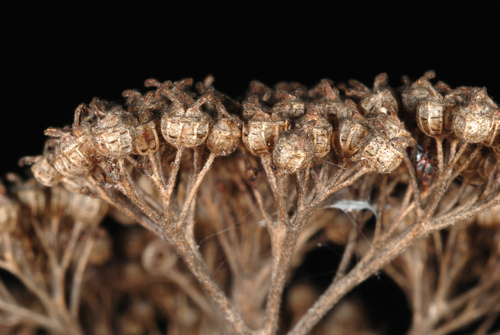
Hydrangea arborescens is a deciduous shrub known for its large, rounded clusters of white flowers. It contains cyanogenic glycosides which can cause gastrointestinal distress if ingested by pets.
Potentially toxic for cats & dogs.
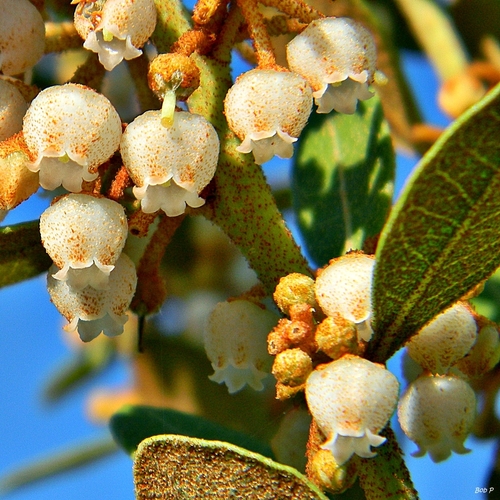
Maleberry is a deciduous shrub in the heath family known for its clusters of small, bell-shaped flowers. It contains grayanotoxins, which can cause significant illness if ingested by pets.
Potentially toxic for cats & dogs.
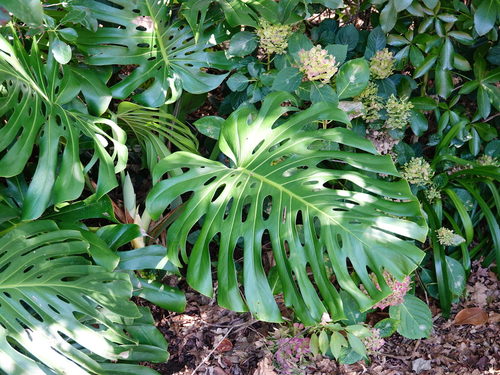
Monstera deliciosa is a popular tropical houseplant known for its large, fenestrated leaves and vining growth habit. It contains insoluble calcium oxalate crystals that can cause irritation if ingested by pets.
Potentially toxic for cats & dogs.
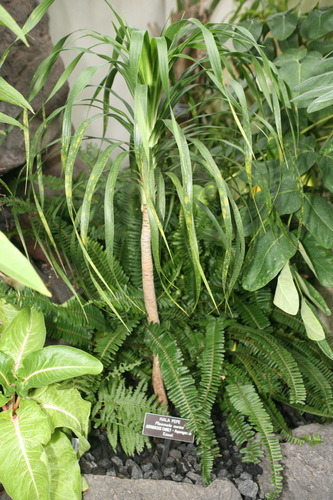
Dracaena trifasciata is a popular, hardy houseplant known for its stiff, sword-like leaves with striking yellow margins. It is widely appreciated for its air-purifying qualities and ability to thrive in various indoor conditions.
Potentially toxic for cats & dogs.