Cats
UncertainIdentity or evidence quality is not strong enough for a firm answer.
Verified against ASPCA/provenance audit 2026-05-06 on May 6, 2026.
Sources
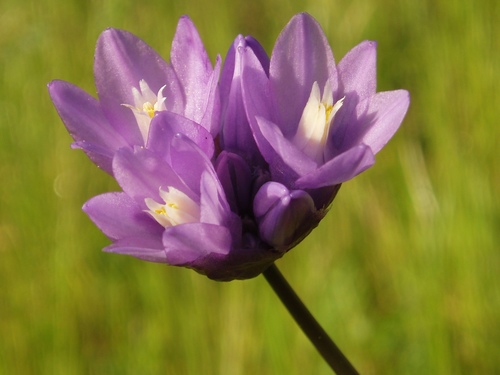
Dichelostemma pulchellum
Also known as Hookera pulchella · Brodiaea pulchella
Dichelostemma pulchellum is a cormous perennial wildflower native to western North America, known for its clusters of violet-blue, tubular flowers. It is considered non-toxic to pets, though its fibrous nature may cause minor digestive discomfort if consumed in large quantities.
Safety status
Cats
UncertainIdentity or evidence quality is not strong enough for a firm answer.
Verified against ASPCA/provenance audit 2026-05-06 on May 6, 2026.
Sources
Casually safe for cats — ASPCA lists blue-dicks (Dichelostemma pulchellum) as non-toxic, with no toxic principle reported. Despite being in a family adjacent to true lilies, this wildflower is not on ASPCA's cat-toxic list.
Sources: ASPCA.
If a pet has chewed or swallowed plant material and is showing symptoms, contact a veterinarian or poison resource immediately. This product is for structured reference, not diagnosis.
Cats — concern notes
Common signs
Under review — original classification flagged as a likely labeler error pending curator verification.
Escalation note
Under review — original classification flagged as a likely labeler error pending curator verification.
Safer alternatives
No hand-picked alternatives for this plant yet. You can still pick your own using the Compare button on any other plant.
ASPCA Toxic Plant List
toxicology · 99% reliability
Blue-dicks (Dichelostemma pulchellum) is listed as non-toxic to both cats and dogs.
The ASPCA-sourced classification for blue-dicks is currently flagged as a likely labeler error and is pending curator verification — the last provenance audit was 2026-05-06. Until the record is confirmed, the safety status should be treated as unknown rather than assumed safe.
The safety status of blue-dicks for cats is currently uncertain. The plant's classification has been flagged as a likely labeler error and is pending curator verification as of the 2026-05-06 ASPCA provenance audit, so a reliable verdict cannot be given at this time.
Specific symptoms are not documented for this plant — the symptom data is under review due to a flagged classification issue. If your cat has eaten blue-dicks, watch for vomiting, lethargy, drooling, or loss of appetite and contact your vet.
Because the toxicity classification for blue-dicks is currently unverified, treat any ingestion with caution: remove your cat's access to the plant, note how much was eaten, and call your vet or the ASPCA Animal Poison Control Center at (888) 426-4435 for guidance.
Same cat verdict
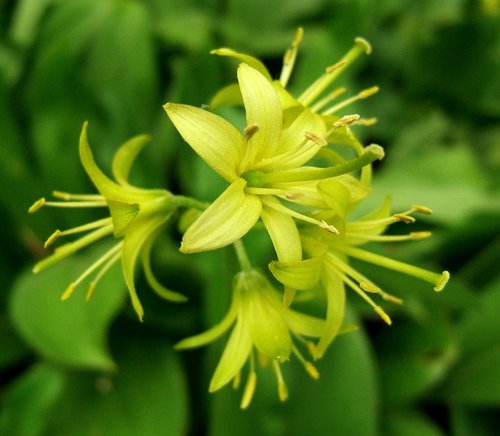
Clintonia borealis is a woodland perennial known for its glossy leaves and striking blue berries. While generally considered safe for pets, it is not intended for consumption.
Uncertain for cats & dogs.
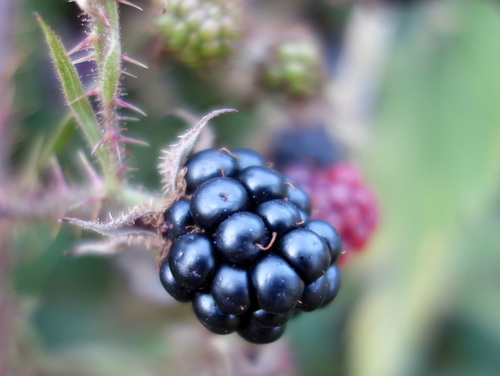
Creeping Rubus is a low-growing, mat-forming perennial groundcover known for its delicate foliage and trailing habit. It is considered non-toxic to pets, though ingestion of large amounts of fibrous plant material may cause mild digestive discomfort.
Uncertain for cats & dogs.
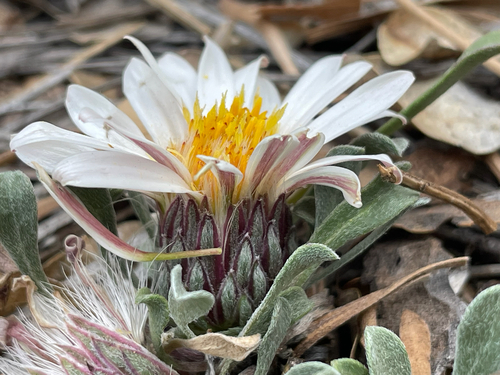
Easter Daisy is a low-growing, hardy perennial wildflower native to the western United States, known for its early spring blooms. It is considered non-toxic to pets, though large ingestions of any fibrous plant material may cause minor digestive discomfort.
Uncertain for cats & dogs.
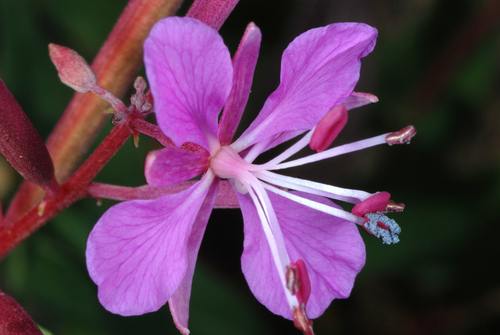
Blooming Sally is a hardy perennial wildflower known for its tall spikes of vibrant pink-purple flowers. It is considered non-toxic to pets, though large ingestions of fibrous plant material may occasionally cause mild digestive upset.
Uncertain for cats & dogs.