Cats
Potentially toxicConsulted references classify the plant as toxic or irritating for that pet type.
Verified against ASPCA/provenance audit 2026-05-06 on May 6, 2026.
Sources
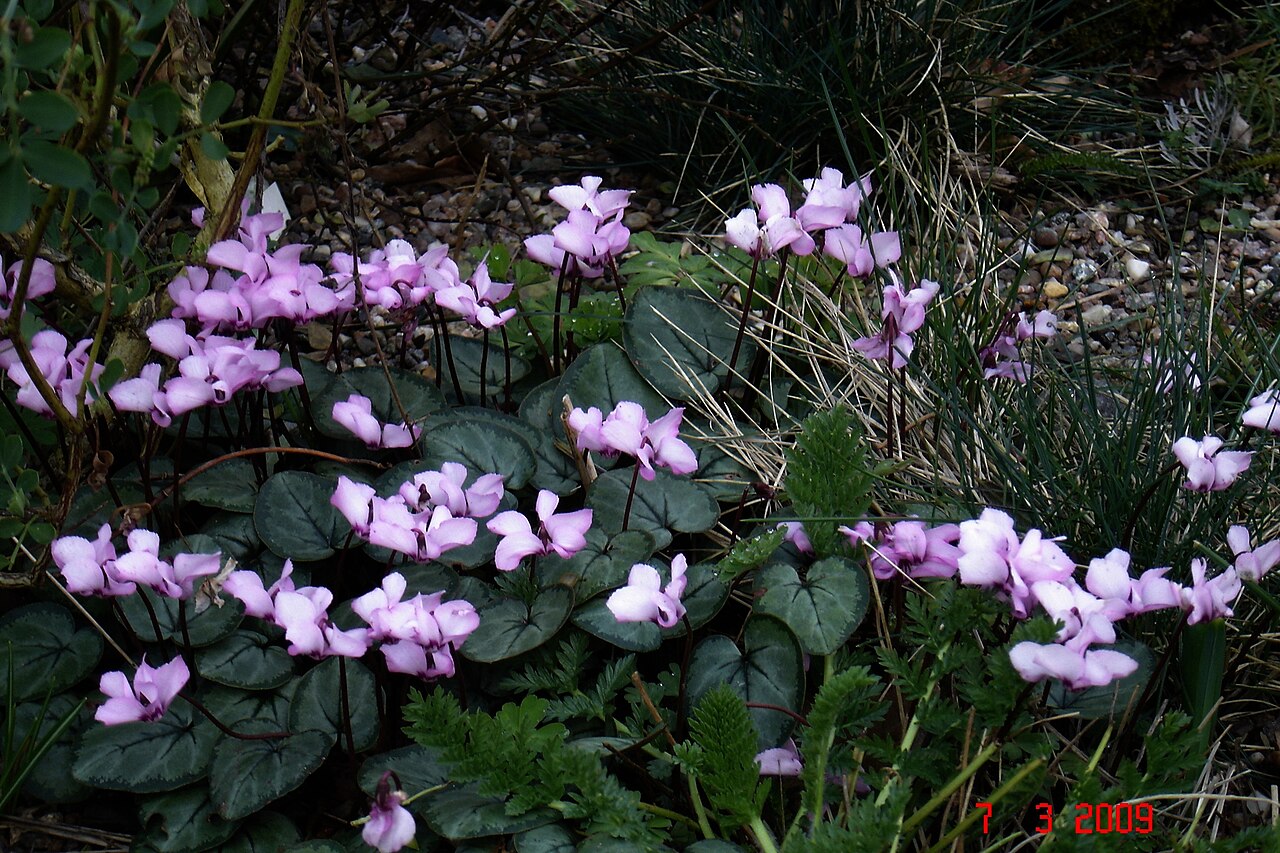
Cyclamen spp
Cyclamen is a popular flowering tuberous plant known for its upswept petals and patterned foliage. It contains triterpenoid saponins which are concentrated in the roots and can cause significant irritation if ingested by pets.
Safety status
Cats
Potentially toxicConsulted references classify the plant as toxic or irritating for that pet type.
Verified against ASPCA/provenance audit 2026-05-06 on May 6, 2026.
Sources
Cats — toxic. ASPCA classifies cyclamen as toxic to cats; the terpenoid saponins are concentrated in the underground tubers, with smaller amounts throughout the leaves and flowers. Most cats nibble only the leaves or flowers, which usually produces milder GI upset than tuber ingestion.
Drooling, vomiting, and diarrhea after a leaf or flower nibble; loss of appetite and lethargy. With significant tuber ingestion (rare in cats but serious): heart-rhythm abnormalities, weakness, collapse, or seizures.
Mild GI upset from leaves or flowers usually starts within a few hours of ingestion and resolves in under 24 hours. Onset and duration after tuber ingestion are not well documented in the cited sources.
Call promptly for vomiting that won't stop, lethargy, or any neurologic sign — staggering, collapse, or seizures. If you saw the cat dig up and chew a tuber, treat it as an emergency and call your vet or ASPCA Animal Poison Control (888-426-4435) right away.
Move the cat away from the plant and wipe out any plant fragments. Per Pet Poison Helpline, you can rinse the mouth with water to reduce irritation and withhold food and water for a few hours so the GI tract can settle. Do not induce vomiting. Call your vet or ASPCA Animal Poison Control at (888) 426-4435.
Sources: ASPCA, Pet Poison Helpline.
If a pet has chewed or swallowed plant material and is showing symptoms, contact a veterinarian or poison resource immediately. This product is for structured reference, not diagnosis.
Cats — concern notes
Common signs
Excessive drooling, vomiting, and diarrhea.
Escalation note
Ingestion of the tubers can lead to more severe reactions including heart rhythm abnormalities or seizures. Contact your veterinarian immediately if ingestion is suspected.
Safer alternatives
Some links earn us a small commission. They never affect our safety classifications.
ASPCA Toxic Plant List
toxicology · 99% reliability
Cyclamen contains triterpenoid saponins which can cause irritation and systemic toxicity in pets.
NC State Extension Plant Toolbox
botanical · 94% reliability
Cyclamen persicum is a tuberous perennial that is toxic to dogs and cats.
Yes, cyclamen is toxic to cats. It contains triterpenoid saponins concentrated in the roots (tubers), and ingestion can cause excessive drooling, vomiting, and diarrhea. Tuber ingestion carries a more serious risk of heart rhythm abnormalities or seizures.
After nibbling leaves or flowers, a cat typically shows drooling, vomiting, diarrhea, and loss of appetite within a few hours. If a cat chews a tuber — where toxins are most concentrated — watch for weakness, staggering, collapse, or seizures, which are signs of a more serious reaction.
Move your cat away from the plant and wipe out any plant fragments from the mouth. You can rinse the mouth with water to reduce irritation and withhold food and water for a few hours to let the GI tract settle — but do not induce vomiting. Call your vet or ASPCA Animal Poison Control at (888) 426-4435, and treat any tuber ingestion as an emergency.
The tubers (underground roots) are the most dangerous part, as triterpenoid saponins are most concentrated there. Leaf or flower nibbles typically cause mild, self-limiting GI upset, but chewing a tuber can trigger heart rhythm abnormalities or seizures and warrants an immediate call to your vet or ASPCA Animal Poison Control (888) 426-4435.
Same cat verdict
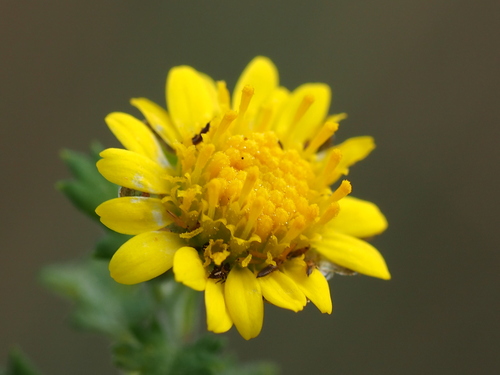
Chrysanthemums are popular flowering perennials containing pyrethrins and other compounds that can cause irritation upon contact or ingestion. They are widely recognized as toxic to common household pets.
Potentially toxic for cats & dogs.
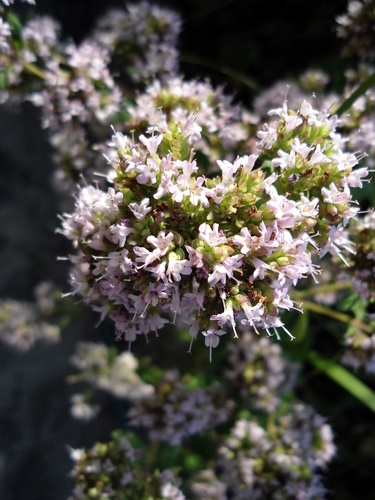
Marjoram is a popular culinary herb often grown in kitchen gardens or as a potted plant. While widely used in cooking, ingestion of large quantities by pets can lead to gastrointestinal distress.
Potentially toxic for cats & dogs.
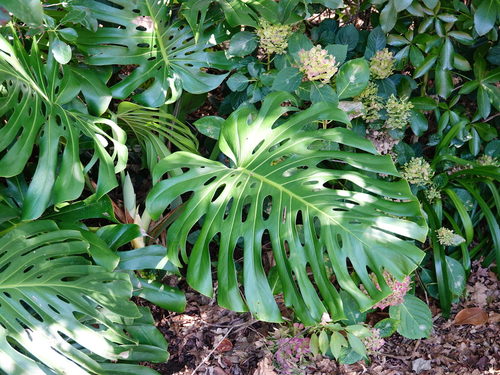
Monstera deliciosa is a popular tropical houseplant known for its large, fenestrated leaves and vining growth habit. It contains insoluble calcium oxalate crystals that can cause irritation if ingested by pets.
Potentially toxic for cats & dogs.
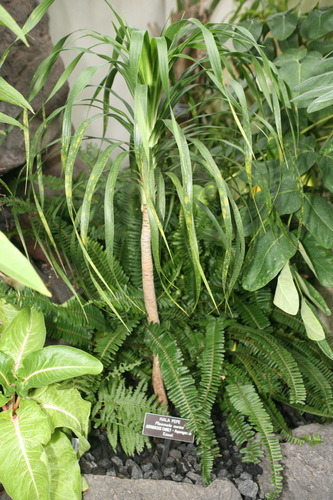
Dracaena trifasciata is a popular, hardy houseplant known for its stiff, sword-like leaves with striking yellow margins. It is widely appreciated for its air-purifying qualities and ability to thrive in various indoor conditions.
Potentially toxic for cats & dogs.