Cats
Potentially toxicConsulted references classify the plant as toxic or irritating for that pet type.
Verified against ASPCA/provenance audit 2026-05-06 on May 6, 2026.
Sources
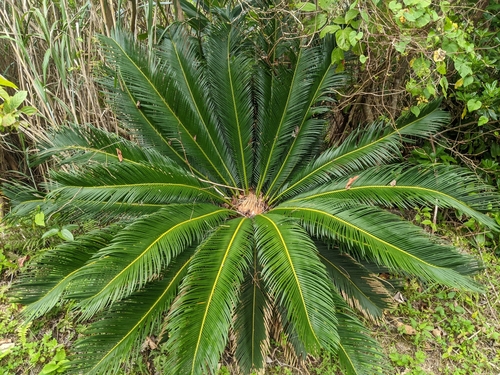
Cycas revoluta
The Sago Palm is a popular ornamental cycad that is highly toxic to pets if ingested. All parts of the plant, especially the seeds, contain cycasin, which can cause severe health complications.
Safety status
Cats
Potentially toxicConsulted references classify the plant as toxic or irritating for that pet type.
Verified against ASPCA/provenance audit 2026-05-06 on May 6, 2026.
Sources
Cats that chew on Sago Palm — even just a few seeds, leaves, or root fragments — face one of the most dangerous plant poisonings in veterinary medicine. Cycasin and related toxins cause severe liver injury and bleeding disorders, and even with intensive care a substantial portion of cases are fatal.
First signs are vomiting, drooling, loss of appetite, and diarrhea (sometimes bloody) within 15 minutes to a few hours of ingestion. Over the next 2 to 3 days watch for jaundice (yellow gums or whites of the eyes), unusual bruising, increased thirst, weakness, ataxia, tremors, or seizures as liver failure develops.
Acute GI signs appear within 15 minutes to several hours of ingestion. Liver failure and neurological signs typically develop 2 to 3 days post-ingestion. Survival is possible with prompt, intensive treatment.
Call immediately — this is a true emergency. Contact your vet or ASPCA Animal Poison Control at (888) 426-4435 the moment you suspect any ingestion, even before symptoms appear.
Sources: ASPCA (no first-aid guidance for owners).
If a pet has chewed or swallowed plant material and is showing symptoms, contact a veterinarian or poison resource immediately. This product is for structured reference, not diagnosis.
Cats — concern notes
Common signs
Vomiting, diarrhea, lethargy, jaundice, and potential liver failure.
Escalation note
This plant is considered extremely dangerous. Ingestion of even a small amount can be fatal. Contact your veterinarian or an emergency animal poison control center immediately if ingestion is suspected.
Safer alternatives
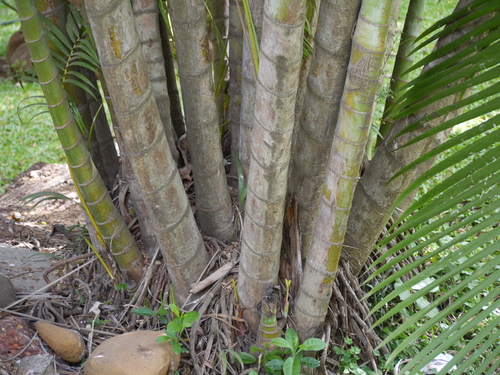
Areca palm is a true palm and widely listed as non-toxic for cats and dogs — a direct sago palm swap.
Generally safe for cats & dogs.
Some links earn us a small commission. They never affect our safety classifications.
ASPCA Toxic Plant List
toxicology · 99% reliability
Sago Palm is highly toxic to both cats and dogs, causing severe liver damage and potential death.
NC State Extension Plant Toolbox
botanical · 94% reliability
Cycas revoluta is a slow-growing cycad that is extremely poisonous to humans and pets.
Yes, sago palm (Cycas revoluta) is extremely toxic to cats. All parts of the plant contain cycasin, but the seeds are the most dangerous — even a small amount can be fatal.
Initial signs appear within 15 minutes to several hours and include vomiting, drooling, loss of appetite, and bloody diarrhea. Over the next 2 to 3 days, liver failure can develop, causing jaundice (yellow gums or eye whites), unusual bruising, increased thirst, weakness, tremors, and seizures.
Call your vet or the ASPCA Animal Poison Control Center at (888) 426-4435 immediately — do not wait for symptoms to appear. This is a true emergency; survival depends on prompt, intensive treatment, and the window closes fast.
There is no safe amount. Ingestion of even a small quantity can be fatal. The seeds are the most concentrated source of cycasin, but leaves, roots, and all other parts of the plant are also toxic.
Same cat verdict
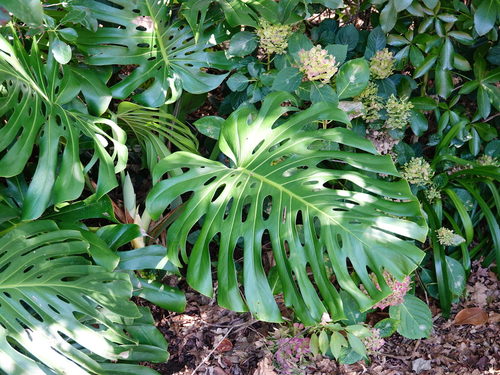
Monstera deliciosa is a popular tropical houseplant known for its large, fenestrated leaves and vining growth habit. It contains insoluble calcium oxalate crystals that can cause irritation if ingested by pets.
Potentially toxic for cats & dogs.
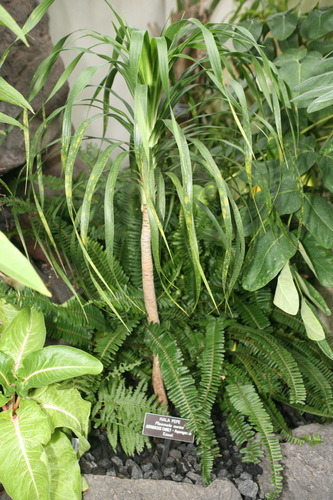
Dracaena trifasciata is a popular, hardy houseplant known for its stiff, sword-like leaves with striking yellow margins. It is widely appreciated for its air-purifying qualities and ability to thrive in various indoor conditions.
Potentially toxic for cats & dogs.
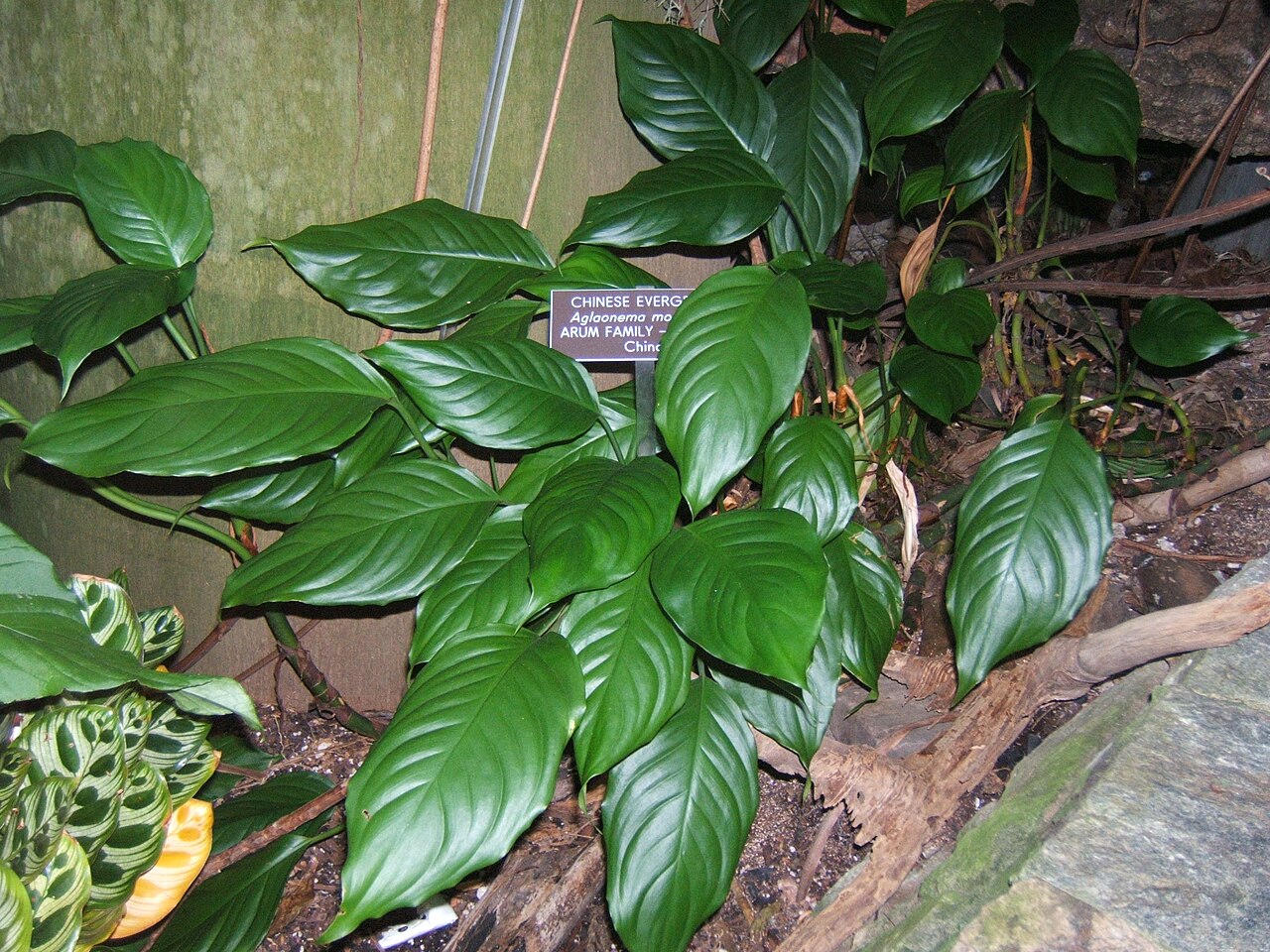
Chinese Evergreen is a popular indoor foliage plant known for its patterned leaves and tolerance of low light conditions. It contains insoluble calcium oxalate crystals that can cause irritation if ingested or chewed.
Potentially toxic for cats & dogs.
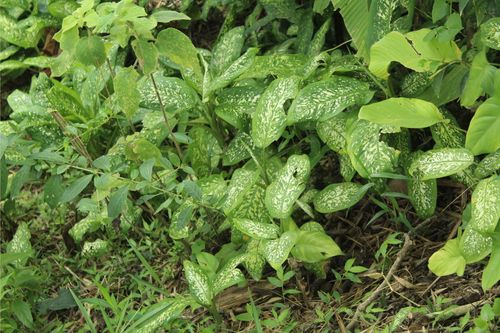
Dieffenbachia is a popular tropical houseplant known for its large, variegated leaves. It contains insoluble calcium oxalate crystals that can cause irritation if ingested or chewed.
Potentially toxic for cats & dogs.