Dogs
Generally safeConsulted references do not classify the plant as toxic for that pet type, while still allowing for mild GI upset if large amounts are chewed.
Verified against ASPCA/provenance audit 2026-05-06 on May 6, 2026.
Sources
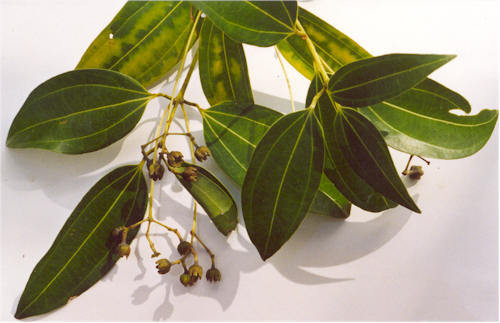
Cinnamomum verum
Cinnamon is a popular aromatic spice derived from the bark of trees in the Cinnamomum genus. While generally considered safe for pets, large ingestions of fibrous plant material may cause minor digestive discomfort.
Safety status
Dogs
Generally safeConsulted references do not classify the plant as toxic for that pet type, while still allowing for mild GI upset if large amounts are chewed.
Verified against ASPCA/provenance audit 2026-05-06 on May 6, 2026.
Sources
Dogs are safe around the cinnamon plant itself — the ASPCA lists Cinnamomum verum as non-toxic to dogs with no toxic principle on file. The caveat is dose and form: a dog that swipes a teaspoon of cinnamon powder off the counter or licks pure cinnamon essential oil is a different scenario than a dog chewing a leaf, and concentrated essential oil should be treated as a separate hazard.
Sources: ASPCA (no first-aid guidance).
If a pet has chewed or swallowed plant material and is showing symptoms, contact a veterinarian or poison resource immediately. This product is for structured reference, not diagnosis.
Dogs — concern notes
Common signs
None expected; however, large ingestions of fibrous bark may lead to mild vomiting or diarrhea.
Escalation note
Generally considered non-toxic. If your dog consumes a large amount and shows signs of distress, contact your veterinarian.
Bring it home
Cinnamonis generally pet-safe in ordinary household exposure. If you’d like one for your space, here’s a starting point.
Shop on AmazonSome links earn us a small commission. They never affect our safety classifications.
ASPCA Toxic Plant List
toxicology · 99% reliability
Cinnamon is listed as non-toxic to both cats and dogs by the ASPCA.
Kew Plants of the World Online
botanical · 95% reliability
Provides the accepted botanical nomenclature for Cinnamomum verum.
Cinnamon (Cinnamomum verum) is generally considered non-toxic to dogs. Large ingestions of the fibrous bark may cause mild vomiting or diarrhea, but serious toxicity is not expected.
If your dog consumes a large amount of cinnamon, the main concern is GI upset from the fibrous plant material — mild vomiting or diarrhea are possible. Serious symptoms are not expected, but contact your veterinarian if your dog shows signs of distress.
For small amounts, no action is needed beyond monitoring. If your dog ate a large quantity and is vomiting, has diarrhea, or seems uncomfortable, call your veterinarian. Non-toxic does not mean unlimited amounts are harmless.
The primary concern with either form is the fibrous plant material in large quantities, which can irritate the digestive tract and cause mild vomiting or diarrhea. Neither form is considered toxic to dogs, but large ingestions of the whole bark pose a greater mechanical irritation risk than small culinary amounts of ground spice.
Same dog verdict

Caroba is a tropical flowering tree known for its fern-like foliage and clusters of trumpet-shaped purple flowers. It is considered safe for households with pets, though ingestion of large amounts of plant material may cause minor digestive discomfort.
Generally safe for cats & dogs.
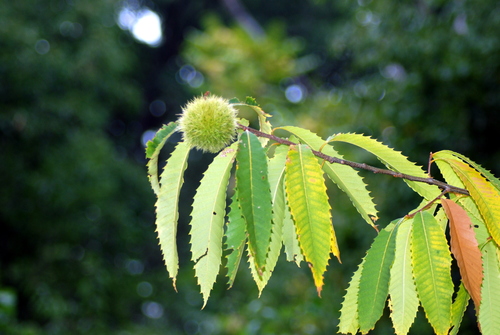
The American Chestnut is a deciduous tree known for its historical significance and edible nuts. It is considered non-toxic to pets, though ingestion of large amounts of fibrous plant material may cause minor digestive discomfort.
Generally safe for cats & dogs.
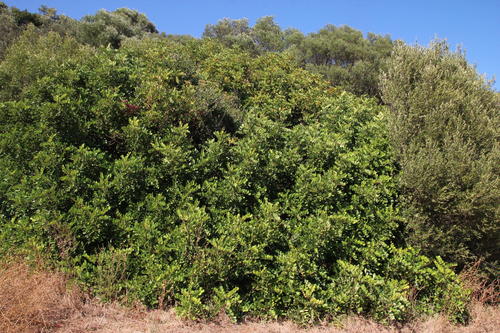
Carob is a Mediterranean evergreen tree known for its edible pods, which are commonly used as a chocolate substitute. It is considered safe for pets, though its fibrous nature may cause minor digestive discomfort if consumed in large quantities.
Generally safe for cats & dogs.

The Mulberry tree is a deciduous plant widely recognized for its edible fruit and rapid growth. While generally considered safe for pets, ingestion of large amounts of fibrous plant material may cause minor digestive discomfort.
Generally safe for cats & dogs.