Cats
Potentially toxicConsulted references classify the plant as toxic or irritating for that pet type.
Verified against ASPCA/provenance audit 2026-05-06 on May 6, 2026.
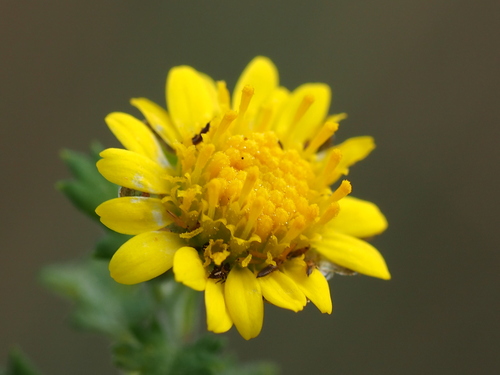
Chrysanthemum spp.
Chrysanthemums are popular flowering perennials containing pyrethrins and other compounds that can cause irritation upon contact or ingestion. They are widely recognized as toxic to common household pets.
Safety status
Cats
Potentially toxicConsulted references classify the plant as toxic or irritating for that pet type.
Verified against ASPCA/provenance audit 2026-05-06 on May 6, 2026.
Cats are notably more sensitive to chrysanthemums than dogs because they cannot metabolize pyrethrins well. ASPCA lists mums as toxic to cats; even small chewed amounts can produce GI signs, and any topical exposure to concentrated pyrethrin from the plant can cause more pronounced symptoms.
Drooling, vomiting, diarrhea, wobbliness or incoordination, and skin redness or irritation where the plant touched fur. Cats may also paw at the mouth or refuse food after a real chew.
Onset isn't precisely documented. In practice, GI signs typically begin within 30 minutes to 2 hours of chewing; mild cases resolve in 12–24 hours with supportive care.
Call your vet or ASPCA Animal Poison Control (888-426-4435) for any cat that ingested more than a leaf-tip nibble, that develops wobbliness, that drools or vomits more than once, or that has visible skin irritation. Cats are higher-risk than dogs here.
Sources: ASPCA, Pet Poison Helpline.
If a pet has chewed or swallowed plant material and is showing symptoms, contact a veterinarian or poison resource immediately. This product is for structured reference, not diagnosis.
Cats — concern notes
Common signs
Drooling, vomiting, diarrhea, and skin irritation (dermatitis) upon contact.
Escalation note
Ingestion can lead to gastrointestinal distress and potential coordination issues. Please contact your veterinarian if your cat has ingested any part of this plant.
Safer alternatives
Some links earn us a small commission. They never affect our safety classifications.
NC State Extension Plant Toolbox
botanical · 94% reliability
Chrysanthemum is a genus of flowering plants in the family Asteraceae, often used in autumn displays.
Yes, chrysanthemums are toxic to cats. They contain pyrethrins and other irritating compounds that cause drooling, vomiting, diarrhea, and skin irritation (dermatitis) upon contact or ingestion.
Watch for drooling, vomiting, diarrhea, wobbliness or incoordination, and skin redness where the plant touched fur. Your cat may also paw at the mouth or refuse food. GI signs typically begin within 30 minutes to 2 hours of chewing and mild cases often resolve in 12–24 hours with supportive care.
Call your vet or the ASPCA Animal Poison Control Center at (888) 426-4435 if your cat ingested more than a leaf-tip nibble, is wobbling, has drooled or vomited more than once, or shows visible skin irritation. Cats are considered higher-risk than dogs with this plant.
All parts of the chrysanthemum plant are considered toxic to cats — the leaves, stems, and flowers all contain pyrethrins and other irritating compounds. Even skin contact with the plant can cause dermatitis, so exposure to any part of the plant warrants monitoring.
Same cat verdict
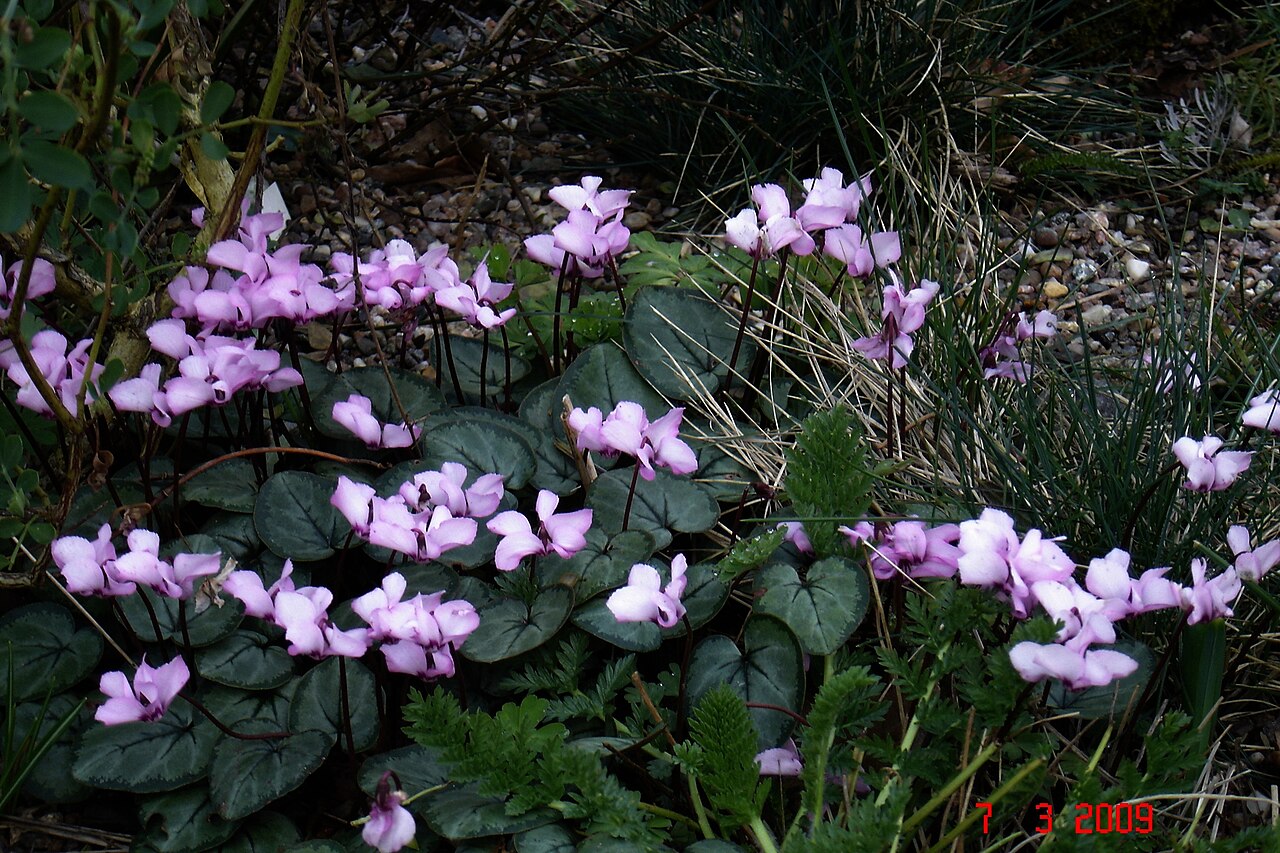
Cyclamen is a popular flowering tuberous plant known for its upswept petals and patterned foliage. It contains triterpenoid saponins which are concentrated in the roots and can cause significant irritation if ingested by pets.
Potentially toxic for cats & dogs.
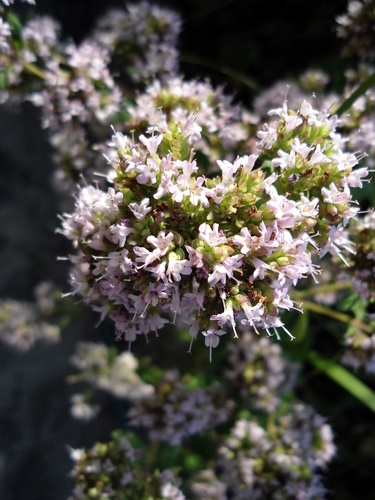
Marjoram is a popular culinary herb often grown in kitchen gardens or as a potted plant. While widely used in cooking, ingestion of large quantities by pets can lead to gastrointestinal distress.
Potentially toxic for cats & dogs.
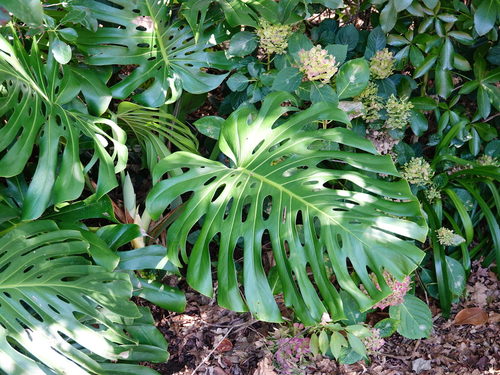
Monstera deliciosa is a popular tropical houseplant known for its large, fenestrated leaves and vining growth habit. It contains insoluble calcium oxalate crystals that can cause irritation if ingested by pets.
Potentially toxic for cats & dogs.
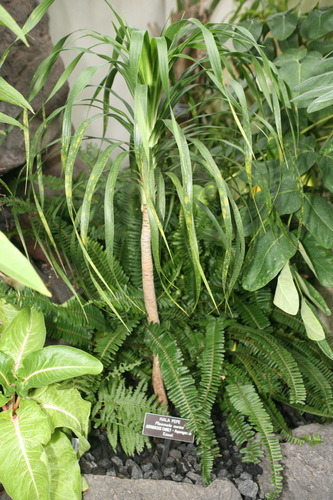
Dracaena trifasciata is a popular, hardy houseplant known for its stiff, sword-like leaves with striking yellow margins. It is widely appreciated for its air-purifying qualities and ability to thrive in various indoor conditions.
Potentially toxic for cats & dogs.