Cats
Generally safeConsulted references do not classify the plant as toxic for that pet type, while still allowing for mild GI upset if large amounts are chewed.
Verified against ASPCA/provenance audit 2026-05-06 on May 6, 2026.
Sources
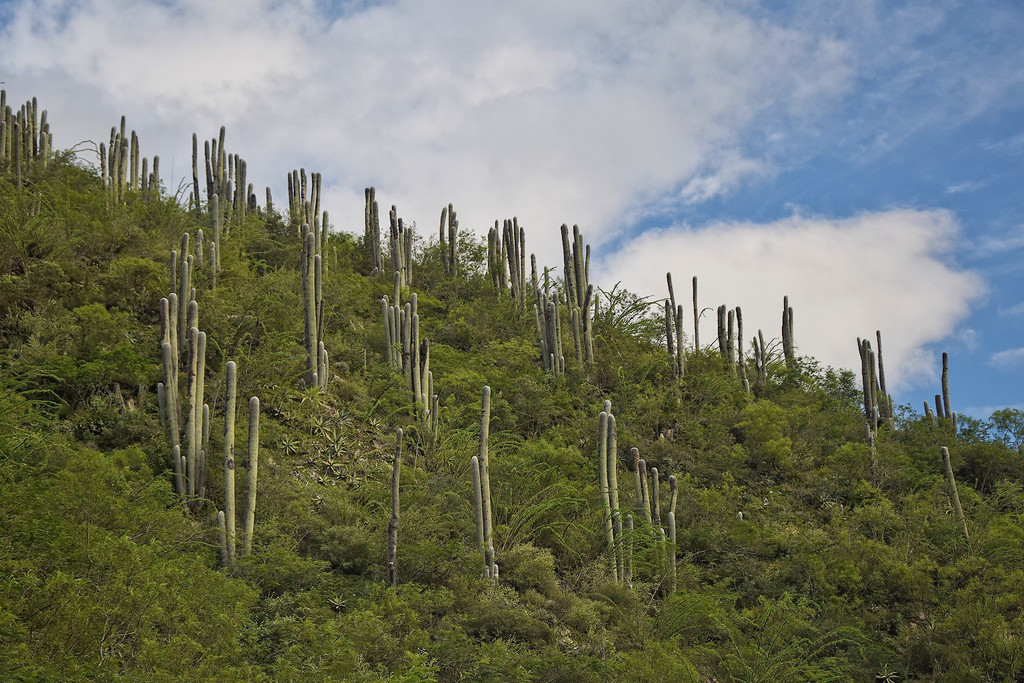
Cephalocereus senilis
The Old Man Cactus is a slow-growing, columnar succulent known for its dense covering of long, white, hair-like spines. It is considered non-toxic to pets, though its physical structure requires caution.
Safety status
Cats
Generally safeConsulted references do not classify the plant as toxic for that pet type, while still allowing for mild GI upset if large amounts are chewed.
Verified against ASPCA/provenance audit 2026-05-06 on May 6, 2026.
Sources
If a pet has chewed or swallowed plant material and is showing symptoms, contact a veterinarian or poison resource immediately. This product is for structured reference, not diagnosis.
Cats — concern notes
Common signs
None expected from chemical toxicity; however, ingestion of large amounts of fibrous plant material may cause mild gastrointestinal upset, such as vomiting or diarrhea.
Escalation note
The plant is non-toxic, but the physical spines can cause mechanical irritation to the mouth or digestive tract if ingested. Contact your veterinarian if you observe persistent discomfort.
Safer alternatives
No hand-picked alternatives for this plant yet. You can still pick your own using the Compare button on any other plant.
ASPCA Toxic Plant List
toxicology · 99% reliability
Old Man Cactus is listed as non-toxic to both cats and dogs.
Kew Plants of the World Online
botanical · 95% reliability
Accepted scientific classification for Cephalocereus senilis.
No, the Old Man Cactus (Cephalocereus senilis) is considered non-toxic to cats. It does not contain chemical compounds known to cause poisoning, though that does not make it safe to chew on.
The main risk is physical, not chemical: the long, hair-like spines can cause mechanical irritation to your cat's mouth, throat, or digestive tract. Ingesting larger amounts of fibrous plant material may also trigger mild vomiting or diarrhea.
Check your cat's mouth for embedded spines and watch for signs of persistent drooling, pawing at the face, vomiting, or reluctance to eat, which could indicate spine irritation in the mouth or gut. If any of these symptoms continue or worsen, contact your veterinarian.
Yes, the dense white spines are the primary hazard — despite looking soft, they can puncture or irritate delicate oral and gastrointestinal tissues if a cat bites or swallows them. Keep the plant out of reach to prevent contact injuries, even though the plant itself is non-toxic.