Cats
Potentially toxicConsulted references classify the plant as toxic or irritating for that pet type.
Verified against ASPCA/provenance audit 2026-05-06 on May 6, 2026.
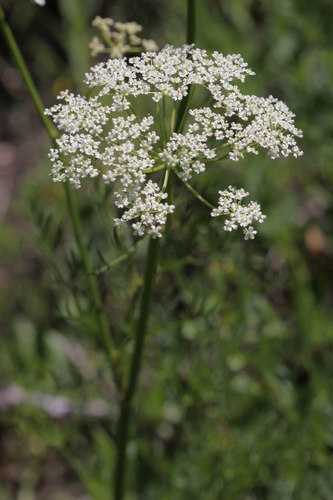
Carum carvi
Carum carvi is a biennial herb in the Apiaceae family widely cultivated for its aromatic seeds. While commonly used in culinary applications, ingestion of the plant in large quantities may cause adverse reactions in pets.
Safety status
Cats
Potentially toxicConsulted references classify the plant as toxic or irritating for that pet type.
Verified against ASPCA/provenance audit 2026-05-06 on May 6, 2026.
Caraway leaves, seeds, and especially the essential oil are mildly toxic to cats — the carvone and limonene oils are gut irritants. Cats are far more sensitive to citrus-family essential oils than dogs are, so a small nibble of the foliage tends to upset a cat more than the seed dose hidden in baked goods.
Mild vomiting and diarrhea are the typical signs. Some cats will also drool, lip-smack, or briefly turn their nose up at food. Most exposures are self-limiting; the bigger concern is a cat that has lapped concentrated caraway essential oil rather than chewed the herb.
Signs usually start within a few hours of ingestion and resolve within 24 hours for routine plant-material exposures. Exact timing for caraway is not well documented in the published toxicology references.
Call your vet or the ASPCA Poison Control hotline (888-426-4435) for vomiting or diarrhea that lasts more than 24 hours, blood in vomit or stool, lethargy or wobbliness, or any contact with concentrated caraway essential oil — that warrants prompt evaluation regardless of how much.
Sources: ASPCA (no first-aid guidance).
If a pet has chewed or swallowed plant material and is showing symptoms, contact a veterinarian or poison resource immediately. This product is for structured reference, not diagnosis.
Cats — concern notes
Common signs
Gastrointestinal upset, including vomiting, diarrhea, and potential lethargy.
Escalation note
While generally mild, ingestion of significant amounts can cause digestive distress. Please contact your veterinarian if your cat shows signs of discomfort.
Safer alternatives
No hand-picked alternatives for this plant yet. You can still pick your own using the Compare button on any other plant.
Kew Plants of the World Online
botanical · 95% reliability
Accepted scientific name and distribution data for Carum carvi L.
Caraway (Carum carvi) is considered potentially toxic to cats. Ingestion, especially in significant amounts, can cause gastrointestinal upset, though reactions are generally mild for typical plant-material exposures.
The most common signs are vomiting, diarrhea, and lethargy. Some cats may also drool, lip-smack, or briefly refuse food. Symptoms typically appear within a few hours and resolve within 24 hours for routine chewing of the herb.
Monitor your cat closely for vomiting, diarrhea, or lethargy. Call your vet or the ASPCA Animal Poison Control Center at (888) 426-4435 if vomiting or diarrhea lasts more than 24 hours, you see blood in vomit or stool, your cat becomes wobbly or lethargic, or if your cat was exposed to concentrated caraway essential oil rather than the herb itself — that warrants prompt evaluation regardless of the amount.
Yes, concentrated caraway essential oil is a greater concern than the plant itself. While chewing the herb typically causes only mild, self-limiting GI upset, contact with or ingestion of the essential oil warrants prompt veterinary evaluation even in small amounts.
Same cat verdict
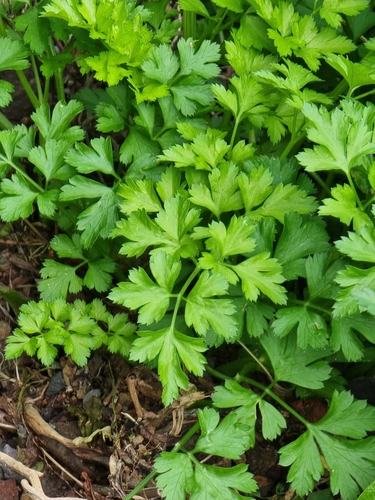
Parsley is a popular culinary herb that contains furanocoumarins and psoralens, which can cause photosensitivity in pets if ingested in large quantities. While commonly used in human cooking, it is considered toxic to both cats and dogs.
Potentially toxic for cats & dogs.
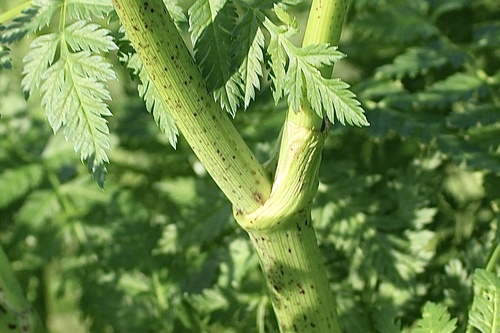
Poison Hemlock is a highly dangerous biennial herb containing potent piperidine alkaloids that affect the nervous system. It is considered one of the most toxic plants and should be strictly avoided in any environment accessible to pets.
Potentially toxic for cats & dogs.
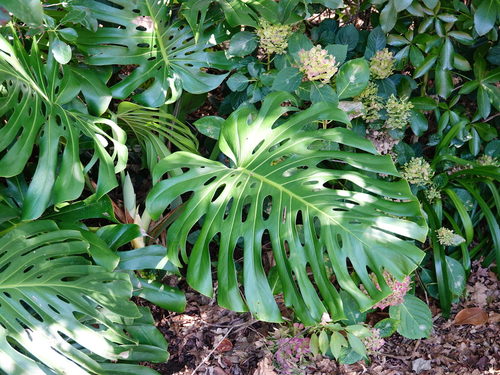
Monstera deliciosa is a popular tropical houseplant known for its large, fenestrated leaves and vining growth habit. It contains insoluble calcium oxalate crystals that can cause irritation if ingested by pets.
Potentially toxic for cats & dogs.
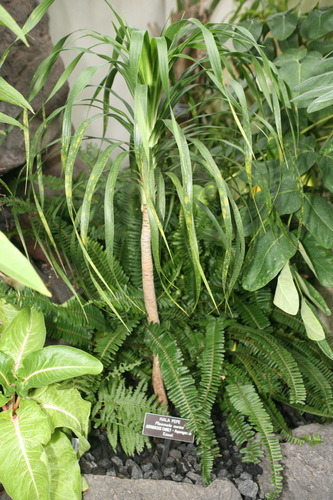
Dracaena trifasciata is a popular, hardy houseplant known for its stiff, sword-like leaves with striking yellow margins. It is widely appreciated for its air-purifying qualities and ability to thrive in various indoor conditions.
Potentially toxic for cats & dogs.