Cats
Potentially toxicConsulted references classify the plant as toxic or irritating for that pet type.
Verified against ASPCA/provenance audit 2026-05-06 on May 6, 2026.
Sources
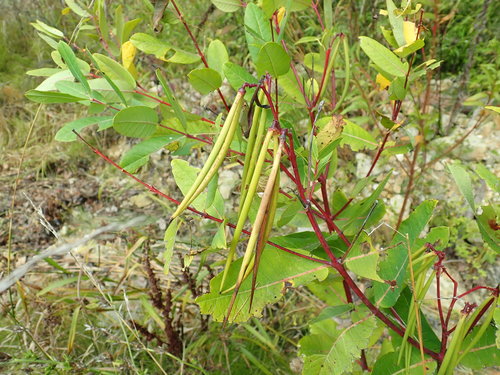
Apocynum spp.
Dogbane is a genus of perennial herbaceous plants known for their milky latex sap and potential toxicity to animals. It is generally considered a wild plant rather than a typical houseplant, but it may be encountered in gardens or naturalized areas.
Safety status
Cats
Potentially toxicConsulted references classify the plant as toxic or irritating for that pet type.
Verified against ASPCA/provenance audit 2026-05-06 on May 6, 2026.
Sources
Cats rarely eat dogbane in quantity — the plant is bitter and very fibrous — but any meaningful ingestion is a heart-medicine emergency. ASPCA lists Apocynum as toxic to cats via cardenolides (cardiac glycosides structurally related to digitalis).
Most-to-least common signs in cats: diarrhea (sometimes bloody), slowed or irregular heart rate, weakness or sudden lethargy, and vomiting. The cardiac signs are what make this plant dangerous beyond simple GI upset.
ASPCA does not specify an onset window for cats; cardiac-glycoside ingestions in companion animals typically present within hours.
Call immediately if any ingestion is suspected — do not wait for symptoms. Treat any visible weakness, collapse, or change in heart rate or breathing as an emergency and head to a vet hospital.
Sources: ASPCA, NC State Extension Plant Toolbox (no first-aid guidance).
If a pet has chewed or swallowed plant material and is showing symptoms, contact a veterinarian or poison resource immediately. This product is for structured reference, not diagnosis.
Cats — concern notes
Common signs
Vomiting, diarrhea, drooling, cardiac arrhythmias, and lethargy.
Escalation note
Contains cardiac glycosides which can be life-threatening if ingested. Contact your veterinarian immediately if ingestion is suspected.
Safer alternatives
No hand-picked alternatives for this plant yet. You can still pick your own using the Compare button on any other plant.
ASPCA Toxic Plant List
toxicology · 99% reliability
Dogbane is listed as toxic to both cats and dogs due to the presence of cardiac glycosides.
NC State Extension Plant Toolbox
botanical · 94% reliability
Apocynum cannabinum is a native perennial that contains toxic milky sap.
Yes, dogbane (Apocynum spp.) is potentially toxic to cats. It contains cardiac glycosides that can be life-threatening if ingested, making it significantly more dangerous than plants that cause only mild GI upset.
Signs include diarrhea (sometimes bloody), slowed or irregular heart rate, weakness or sudden lethargy, drooling, vomiting, and cardiac arrhythmias. The cardiac effects are what make dogbane particularly dangerous — they go well beyond typical plant-related stomach upset.
Call your veterinarian or the ASPCA Animal Poison Control Center (888) 426-4435 immediately — do not wait for symptoms to appear. If your cat shows weakness, collapse, or any change in heart rate or breathing, go to an emergency vet hospital right away.
The ASPCA does not specify an onset window for cats specifically, but cardiac-glycoside ingestions in companion animals typically present within hours of exposure. Because symptoms can escalate rapidly, any suspected ingestion should be treated as urgent even if your cat seems fine initially.
Same cat verdict
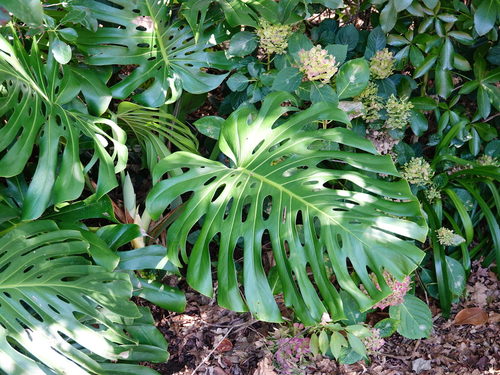
Monstera deliciosa is a popular tropical houseplant known for its large, fenestrated leaves and vining growth habit. It contains insoluble calcium oxalate crystals that can cause irritation if ingested by pets.
Potentially toxic for cats & dogs.
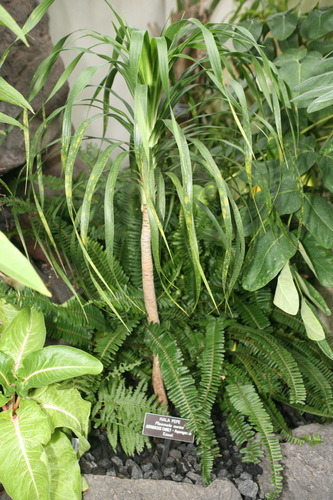
Dracaena trifasciata is a popular, hardy houseplant known for its stiff, sword-like leaves with striking yellow margins. It is widely appreciated for its air-purifying qualities and ability to thrive in various indoor conditions.
Potentially toxic for cats & dogs.
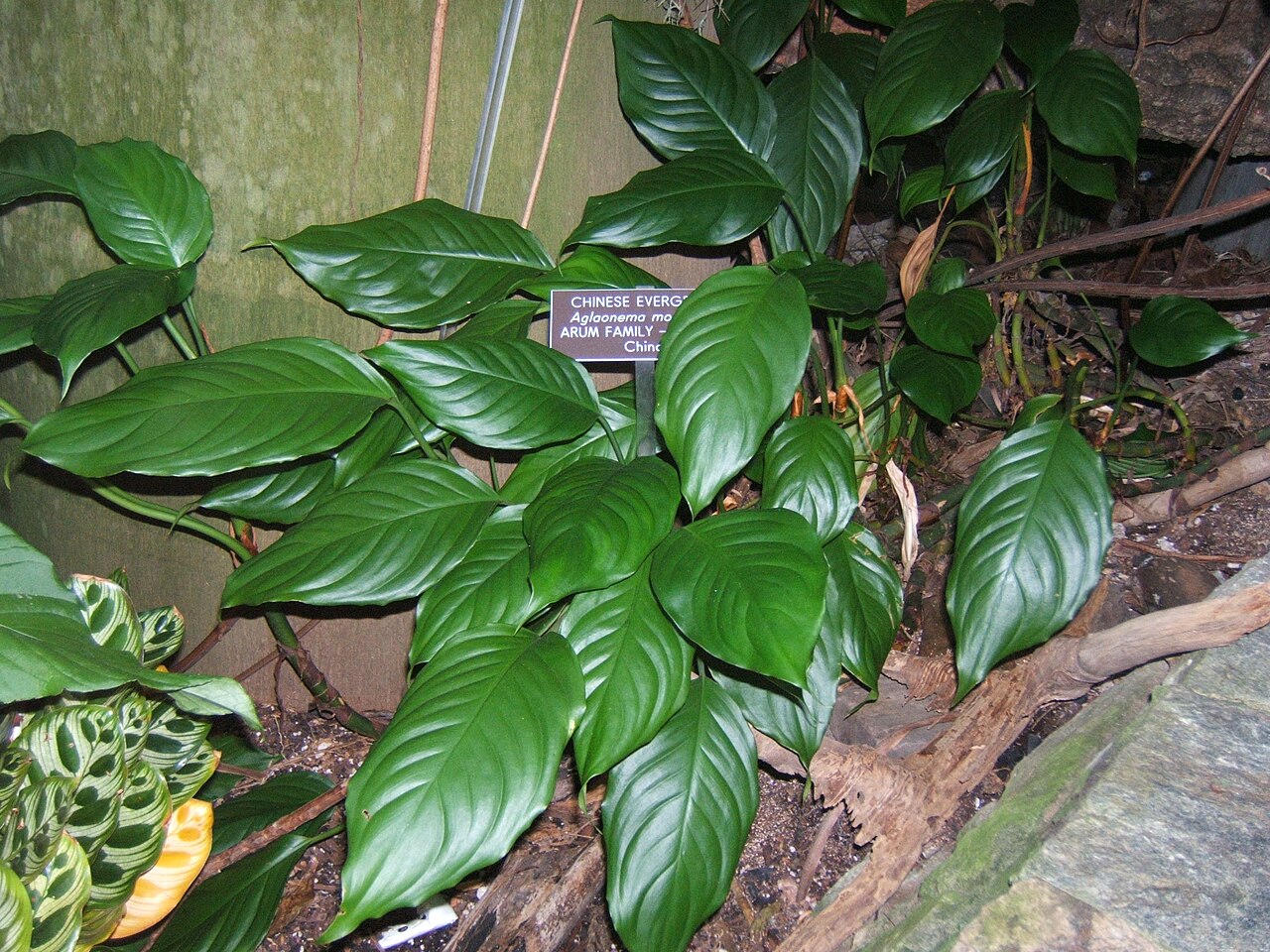
Chinese Evergreen is a popular indoor foliage plant known for its patterned leaves and tolerance of low light conditions. It contains insoluble calcium oxalate crystals that can cause irritation if ingested or chewed.
Potentially toxic for cats & dogs.
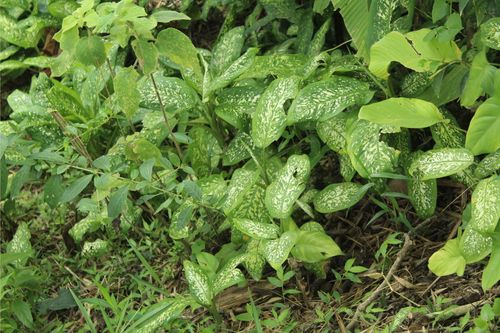
Dieffenbachia is a popular tropical houseplant known for its large, variegated leaves. It contains insoluble calcium oxalate crystals that can cause irritation if ingested or chewed.
Potentially toxic for cats & dogs.