Dogs
Potentially toxicConsulted references classify the plant as toxic or irritating for that pet type.
Verified against ASPCA/provenance audit 2026-05-06 on May 6, 2026.
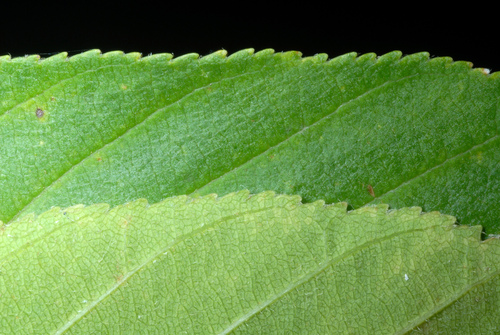
Aesculus glabra
The Horse Chestnut is a deciduous tree known for its distinctive palmately compound leaves and spiky seed pods. All parts of the plant, particularly the seeds and leaves, contain saponins and glycosides that are harmful if ingested.
Safety status
Dogs
Potentially toxicConsulted references classify the plant as toxic or irritating for that pet type.
Verified against ASPCA/provenance audit 2026-05-06 on May 6, 2026.
Dogs that chew buckeye seeds, leaves, or bark can become seriously sick. The aesculin and other saponins in this tree act as both gastrointestinal irritants and central-nervous-system depressants, with the seeds (the "buckeyes" themselves) carrying the highest concentration.
Severe vomiting and diarrhea are typically first. Dogs may also show depression or, paradoxically, excitement, along with weakness, an unsteady gait, and dilated pupils. At higher doses, seizures and coma have been reported.
Exact onset isn't well documented in the ASPCA listing; vomiting and diarrhea are usually the first clue, with neurologic signs developing as the saponin dose builds.
Call your vet or ASPCA Poison Control (888-426-4435) any time you see vomiting, neurologic signs (wobbliness, tremors, dilated pupils), or you suspect your dog chewed seeds. Chewed buckeyes warrant a same-day call even if your dog still seems fine.
Remove any remaining plant material from your dog's mouth and surroundings, then call ASPCA Poison Control or your vet before doing anything else. Do not try to induce vomiting at home — Pet Poison Helpline lists unsupervised home emesis as one of the most common pet-poisoning first-aid mistakes.
Sources: ASPCA, Pet Poison Helpline.
If a pet has chewed or swallowed plant material and is showing symptoms, contact a veterinarian or poison resource immediately. This product is for structured reference, not diagnosis.
Dogs — concern notes
Common signs
Vomiting, diarrhea, lethargy, muscle weakness, and potential neurological signs like tremors or ataxia.
Escalation note
The seeds are particularly dangerous to dogs. Seek immediate veterinary care if ingestion is observed or suspected.
Safer alternatives
No hand-picked alternatives for this plant yet. You can still pick your own using the Compare button on any other plant.
Yes, Ohio Buckeye (Aesculus glabra) is toxic to dogs. All parts of the plant contain saponins and glycosides, with the seeds being especially dangerous. Ingestion can cause vomiting, diarrhea, lethargy, muscle weakness, and neurological signs like tremors or an unsteady gait.
Vomiting and diarrhea are usually the first signs. As the saponin dose builds, dogs may develop depression or agitation, weakness, an unsteady gait, and dilated pupils. At higher doses, tremors, seizures, and coma have been reported.
Remove any remaining plant material from your dog's mouth and surroundings, then call ASPCA Poison Control (888-426-4435) or your vet immediately — even if your dog seems fine. Do not try to induce vomiting at home, as unsupervised home emesis is one of the most common first-aid mistakes in pet poisonings.
The seeds are considered particularly dangerous, but leaves and all other plant parts also contain toxic saponins and glycosides. Because the seeds are large and tempting to chew, they pose the highest practical risk — a same-day vet call is warranted any time a dog has chewed a buckeye seed.
Same dog verdict
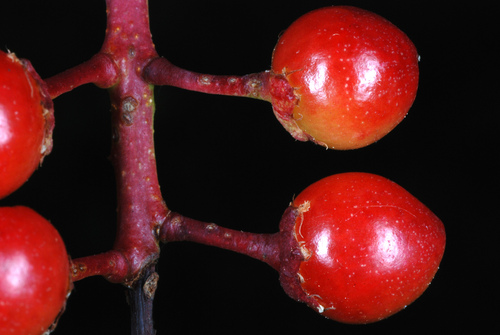
Prunus serotina is a native North American tree known for its dark, edible fruit and foliage that contains cyanogenic glycosides. Ingestion of any part of the plant, particularly the leaves and seeds, can be hazardous to pets.
Potentially toxic for cats & dogs.
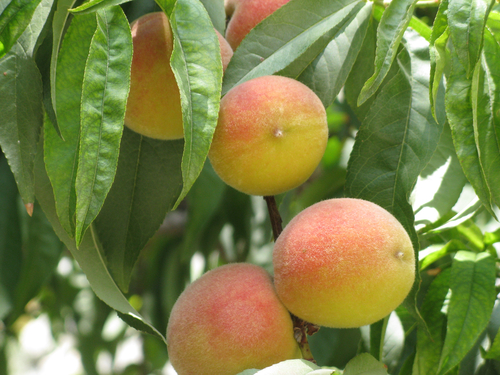
The peach tree is a deciduous fruit-bearing plant known for its edible stone fruits. While the fruit flesh is generally consumed by humans, the leaves, stems, and seeds contain cyanogenic glycosides that pose a risk to pets if ingested.
Potentially toxic for cats & dogs.
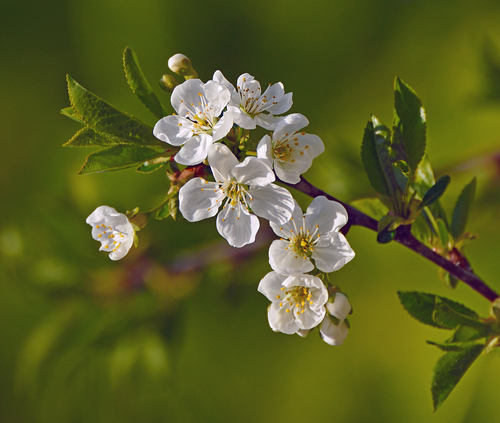
The plum tree is a fruit-bearing species in the rose family, known for its edible stone fruits. While the fruit flesh is generally safe, the stems, leaves, and seeds contain cyanogenic glycosides that can be harmful if ingested.
Potentially toxic for cats & dogs.
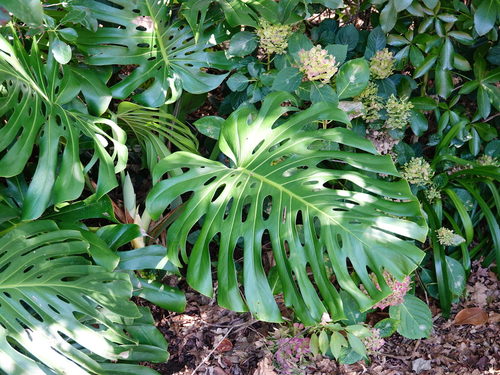
Monstera deliciosa is a popular tropical houseplant known for its large, fenestrated leaves and vining growth habit. It contains insoluble calcium oxalate crystals that can cause irritation if ingested by pets.
Potentially toxic for cats & dogs.