Cats
Potentially toxicConsulted references classify the plant as toxic or irritating for that pet type.
Verified against ASPCA/provenance audit 2026-05-06 on May 6, 2026.
Sources
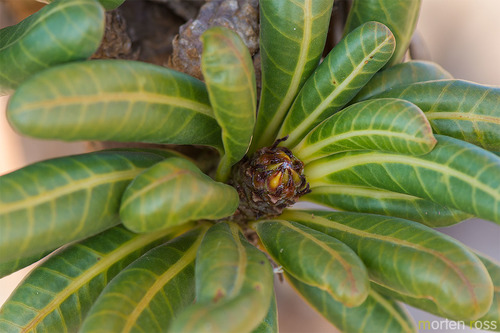
Adenium obesum
Adenium obesum is a succulent shrub known for its swollen base and vibrant, trumpet-shaped flowers. It contains cardiac glycosides that are harmful if ingested by pets.
Safety status
Cats
Potentially toxicConsulted references classify the plant as toxic or irritating for that pet type.
Verified against ASPCA/provenance audit 2026-05-06 on May 6, 2026.
Sources
Desert rose is a serious heart toxin for cats — even a small amount of sap can be life-threatening because of how little it takes to reach a toxic dose in a small body. ASPCA lists the plant as toxic, with cardiac glycosides as the active poison.
Early signs are vomiting, diarrhea, drooling, and refusal to eat. As the toxin reaches the heart, watch for lethargy or depression and any irregular or unusually slow heartbeat. Collapse is possible with significant ingestion.
Onset and duration aren't quantified in ASPCA's listing; cardiac glycoside signs in pets typically appear within hours of ingestion and require monitoring for at least 24 hours.
Call immediately. Cardiac glycoside exposure can be fatal and warrants emergency care, even if your cat seems mostly normal at first. Use your veterinarian, an ER vet, or ASPCA Poison Control (888-426-4435) without waiting to see if signs progress.
Sources: ASPCA, Pet Poison Helpline (no first-aid guidance).
If a pet has chewed or swallowed plant material and is showing symptoms, contact a veterinarian or poison resource immediately. This product is for structured reference, not diagnosis.
Cats — concern notes
Common signs
Vomiting, diarrhea, lethargy, drooling, and potential cardiac arrhythmias.
Escalation note
Ingestion can lead to serious systemic effects due to cardiac glycosides. Contact your veterinarian immediately if you suspect your cat has chewed or eaten any part of this plant.
Safer alternatives
No hand-picked alternatives for this plant yet. You can still pick your own using the Compare button on any other plant.
ASPCA Toxic Plant List
toxicology · 99% reliability
Desert Rose contains cardiac glycosides which are toxic to both cats and dogs.
The cardiac glycosides responsible for toxicity are present throughout Adenium obesum; the ASPCA listing does not isolate a single most-dangerous part, so any contact with leaves, stems, flowers, or the swollen base should be treated as a potential exposure.
Yes, Desert Rose (Adenium obesum) is toxic to cats. The plant contains cardiac glycosides that can cause serious systemic effects, including potentially life-threatening heart problems.
Early signs include vomiting, diarrhea, drooling, and refusal to eat. As the cardiac glycosides take effect, you may also see lethargy, depression, and irregular or unusually slow heartbeat. Collapse is possible with significant ingestion.
Call for help immediately — do not wait to see if symptoms develop. Contact your veterinarian, an emergency vet clinic, or ASPCA Animal Poison Control at (888) 426-4435. Cardiac glycoside exposure can be fatal even when a cat appears mostly normal at first.
Same cat verdict
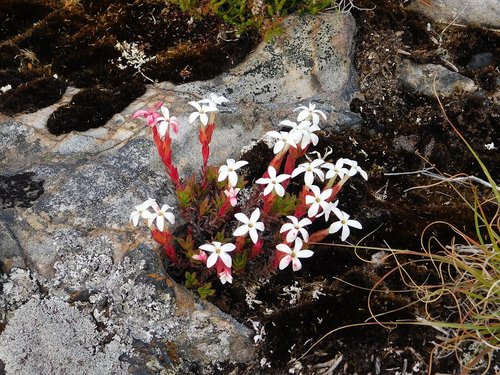
The Jade Plant is a popular succulent known for its thick, woody stems and fleshy, oval-shaped leaves. While aesthetically pleasing, it contains compounds that can cause gastrointestinal distress if ingested by pets.
Potentially toxic for cats & dogs.
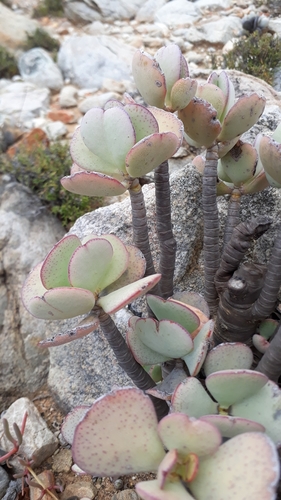
Crassula arborescens is a succulent shrub known for its thick, fleshy, blue-green leaves with reddish margins. While popular as an ornamental houseplant, it contains compounds that can cause adverse reactions if ingested by pets.
Potentially toxic for cats & dogs.
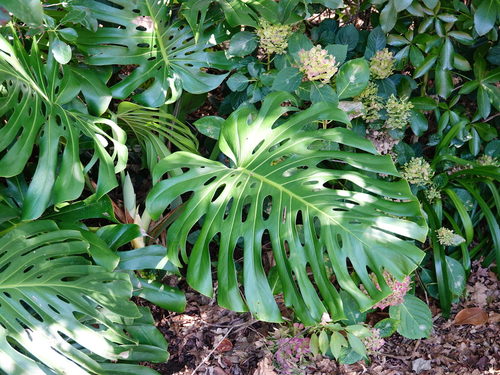
Monstera deliciosa is a popular tropical houseplant known for its large, fenestrated leaves and vining growth habit. It contains insoluble calcium oxalate crystals that can cause irritation if ingested by pets.
Potentially toxic for cats & dogs.
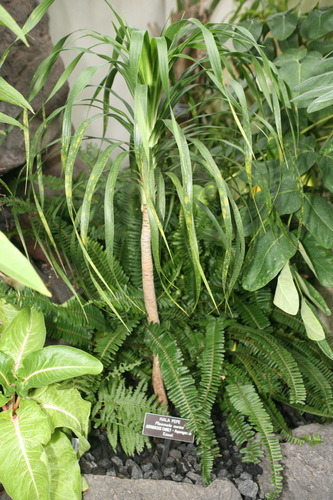
Dracaena trifasciata is a popular, hardy houseplant known for its stiff, sword-like leaves with striking yellow margins. It is widely appreciated for its air-purifying qualities and ability to thrive in various indoor conditions.
Potentially toxic for cats & dogs.